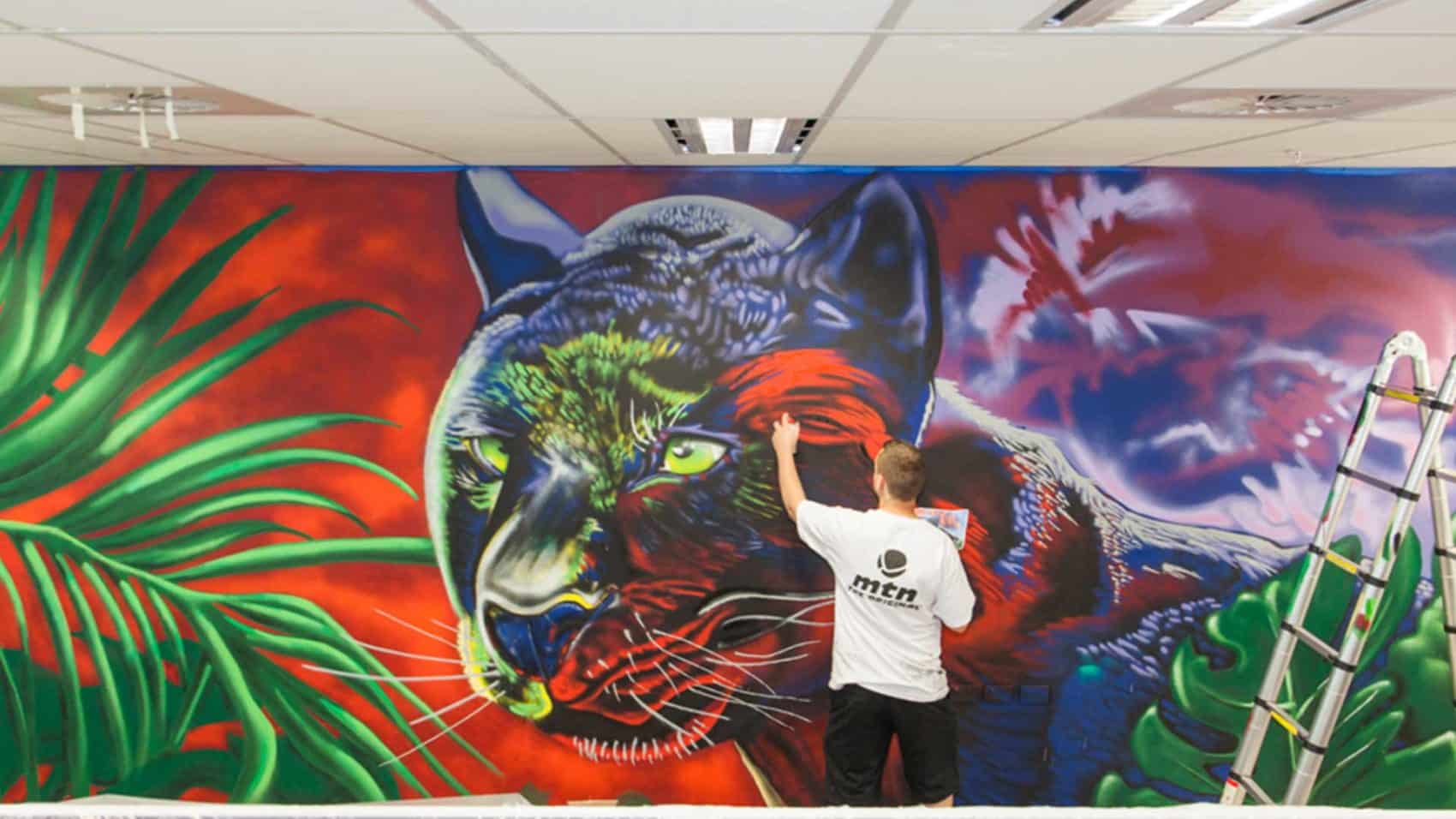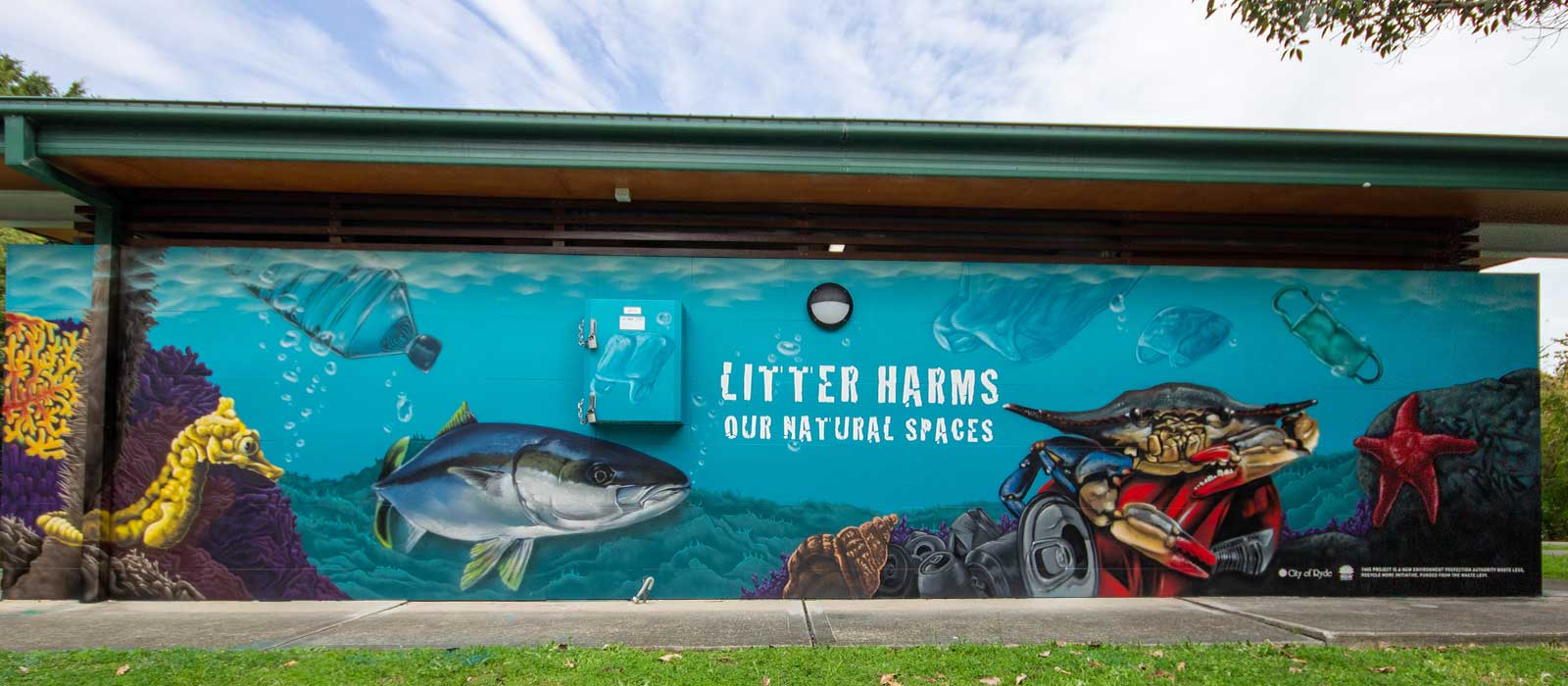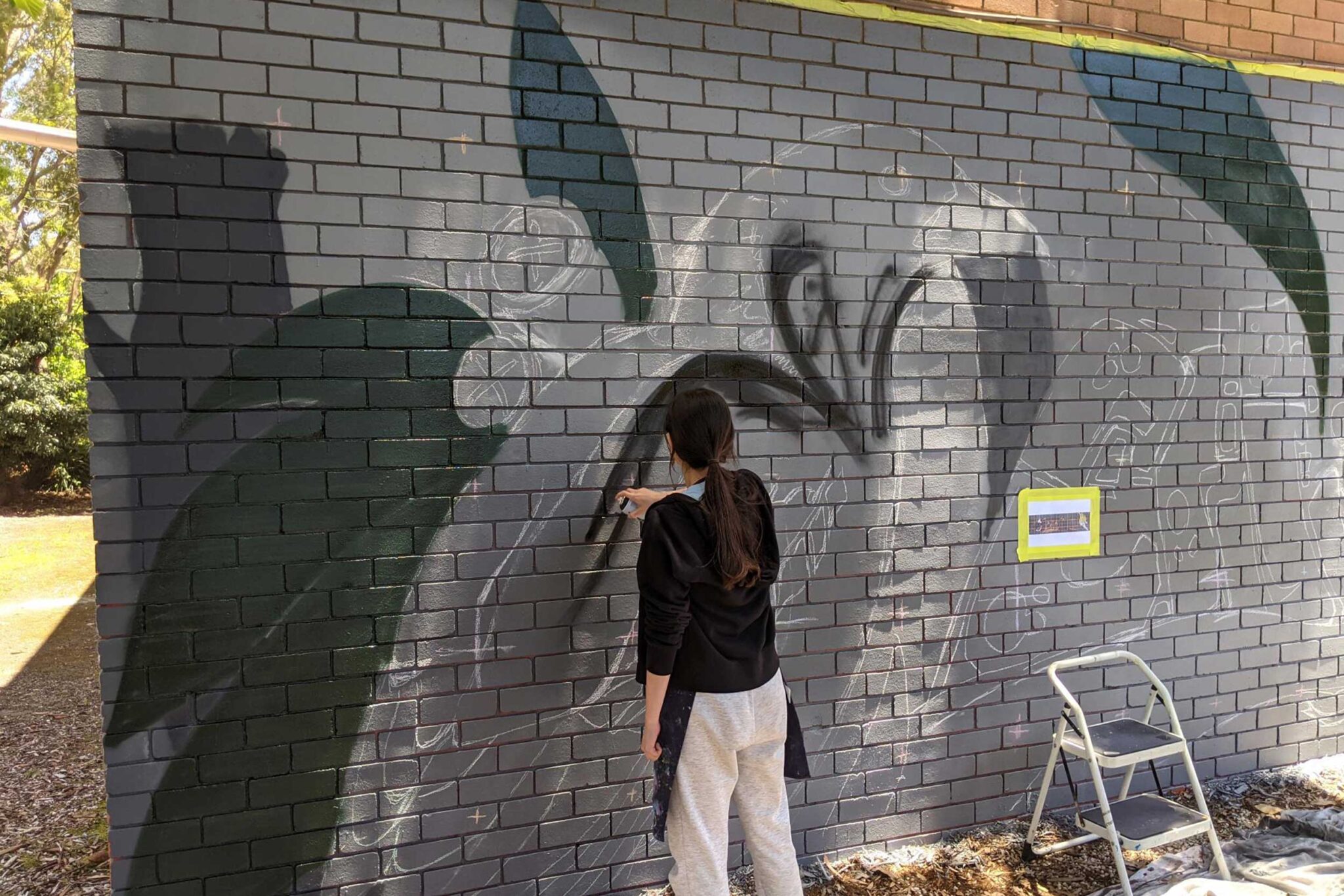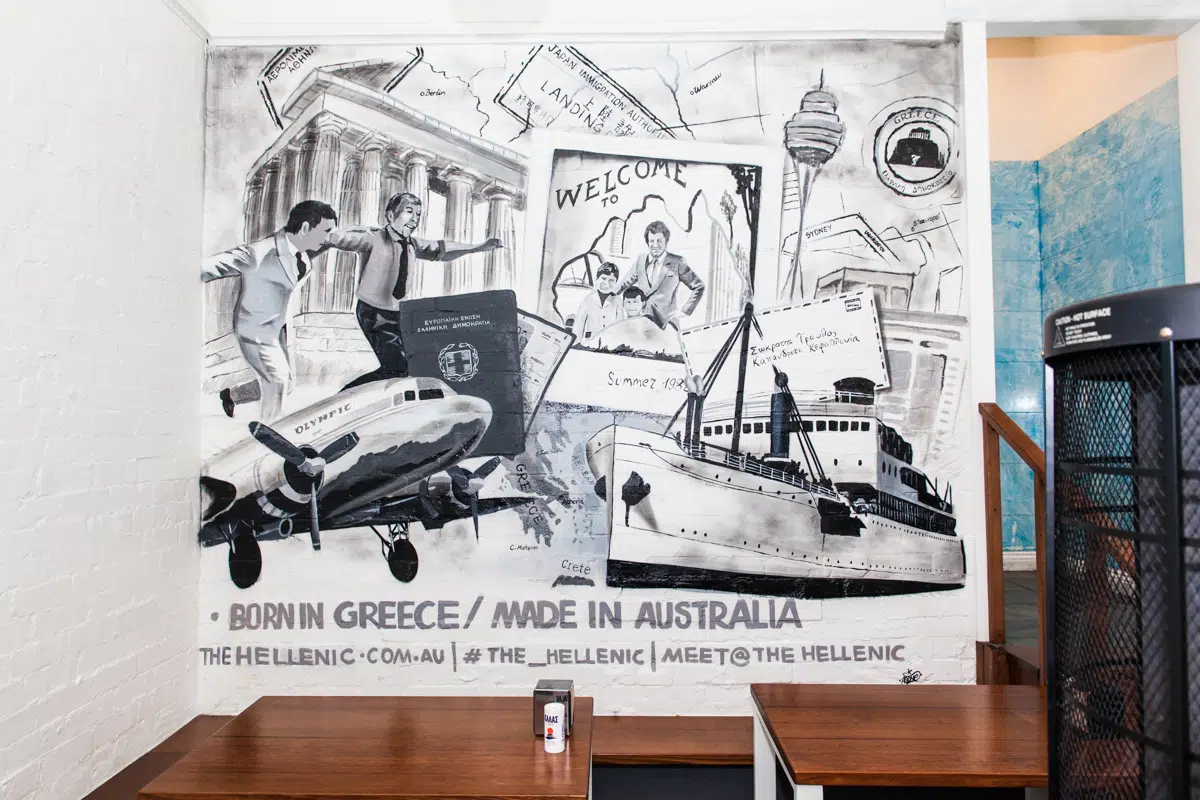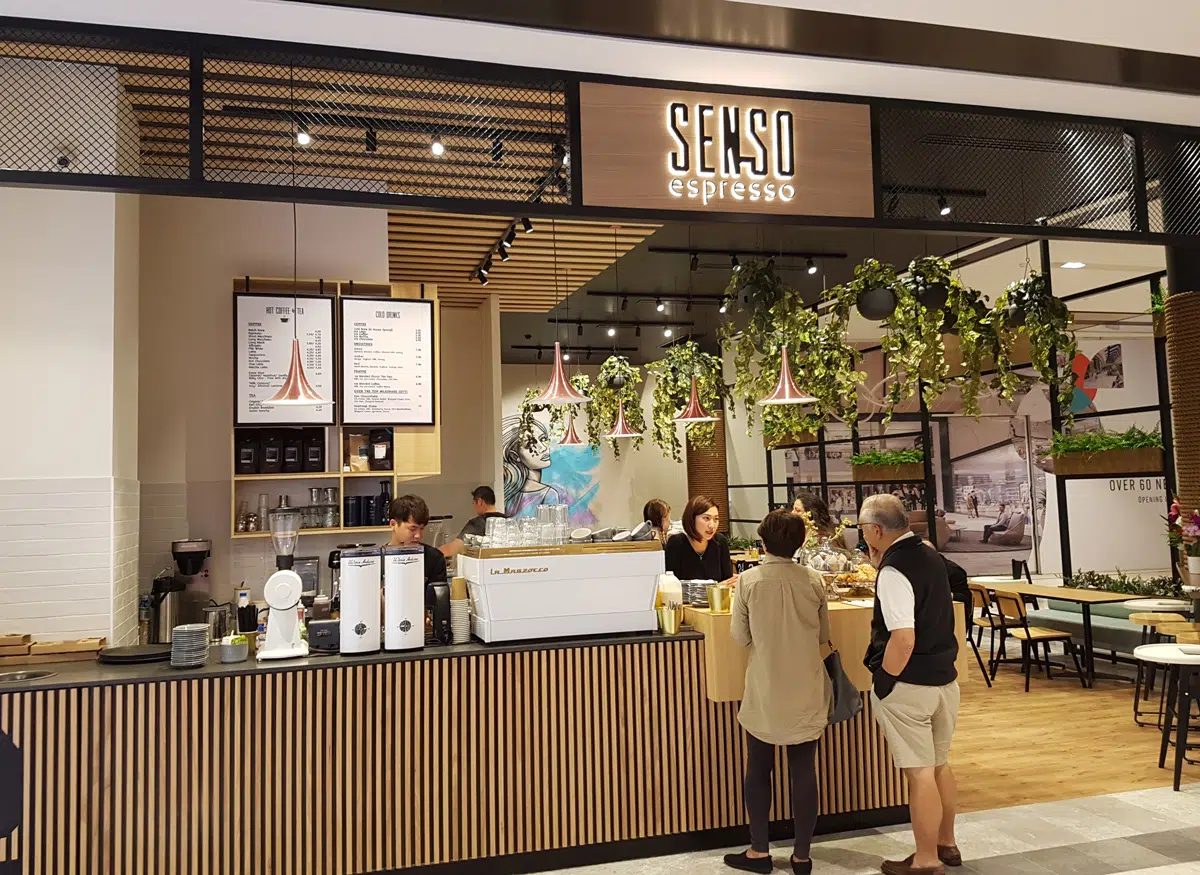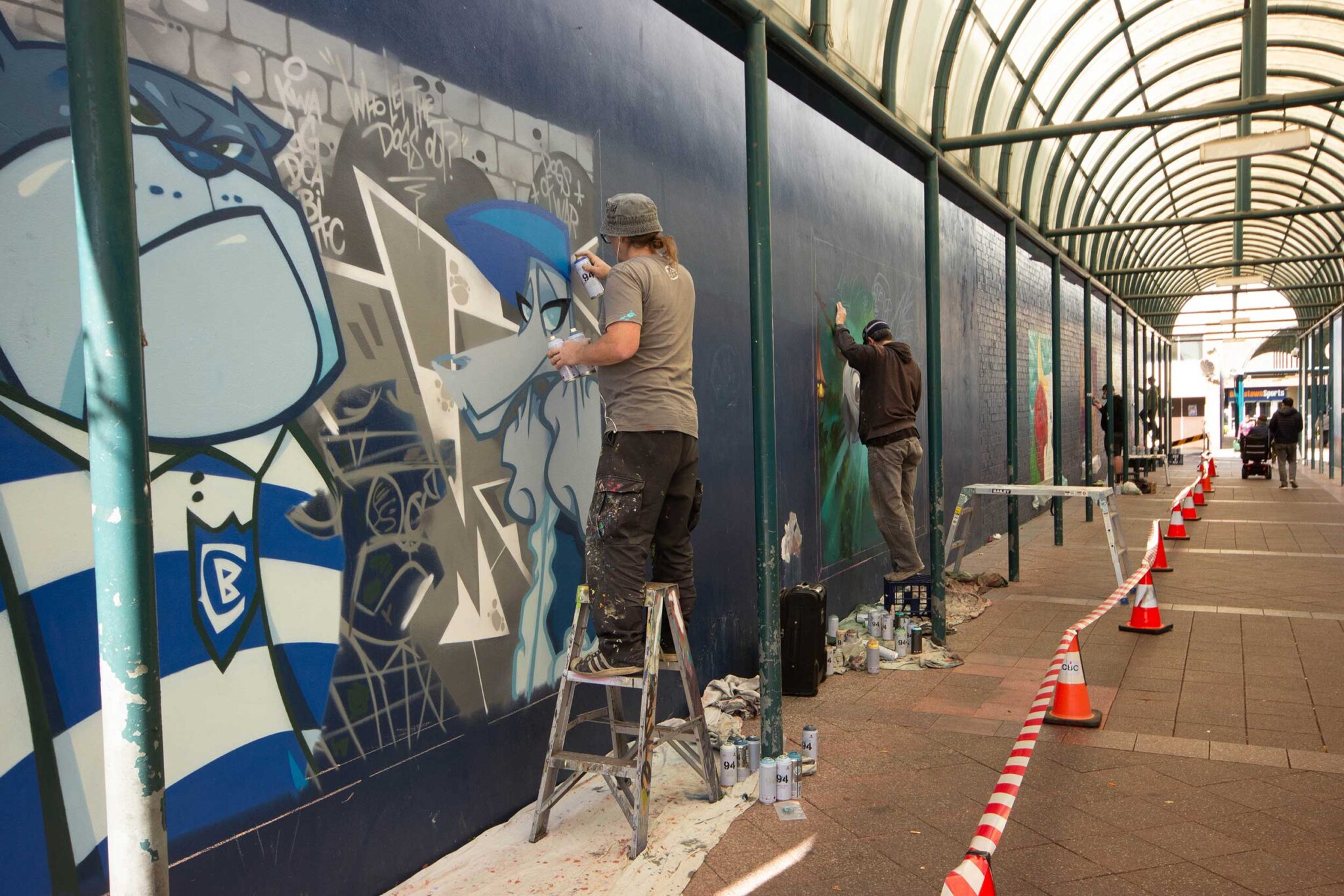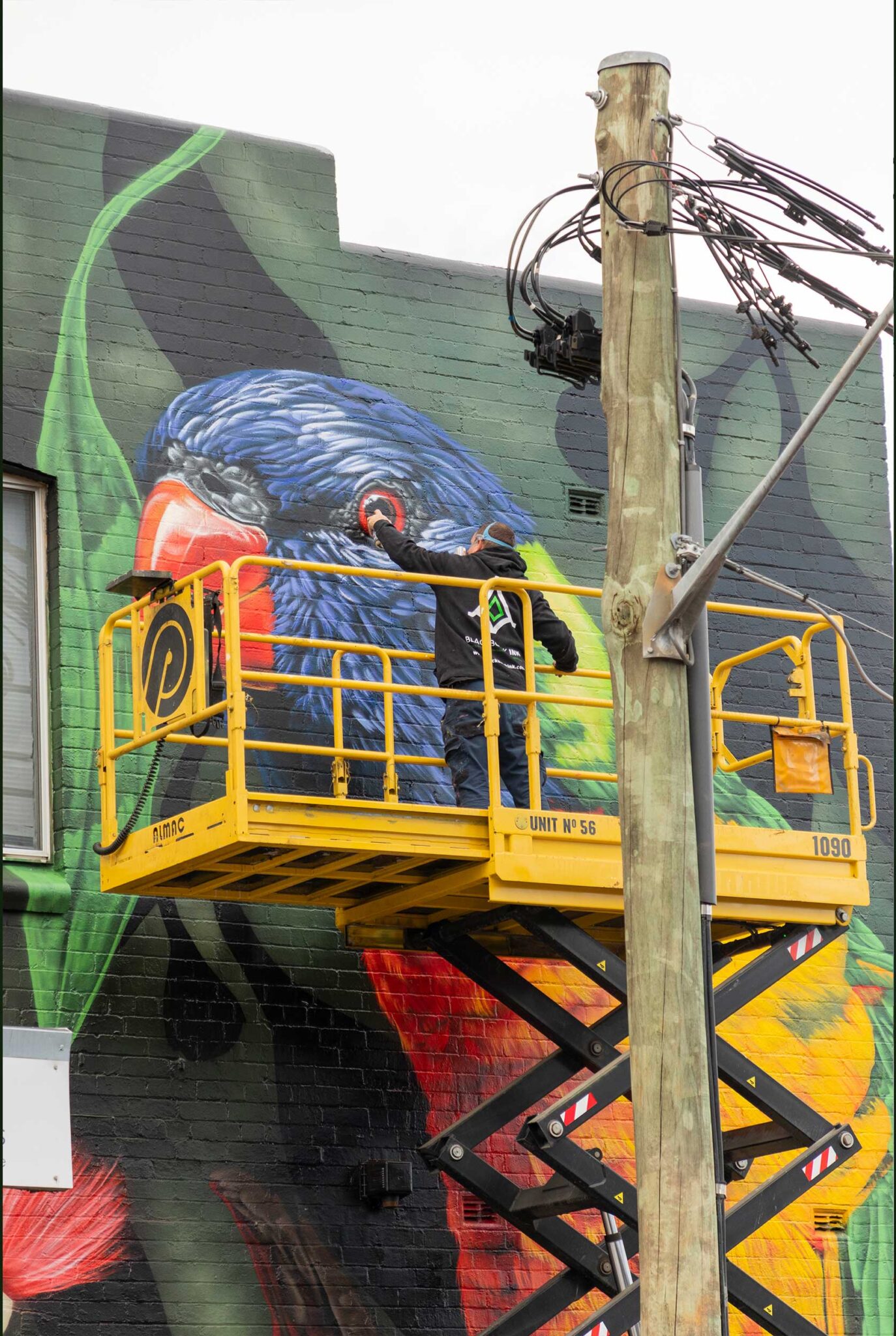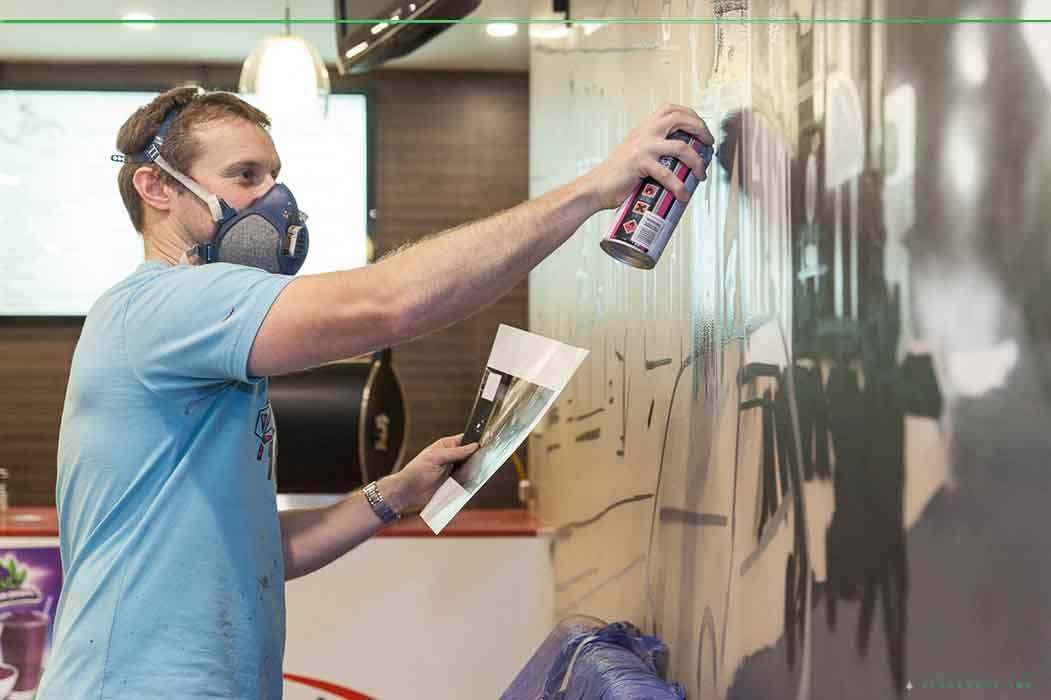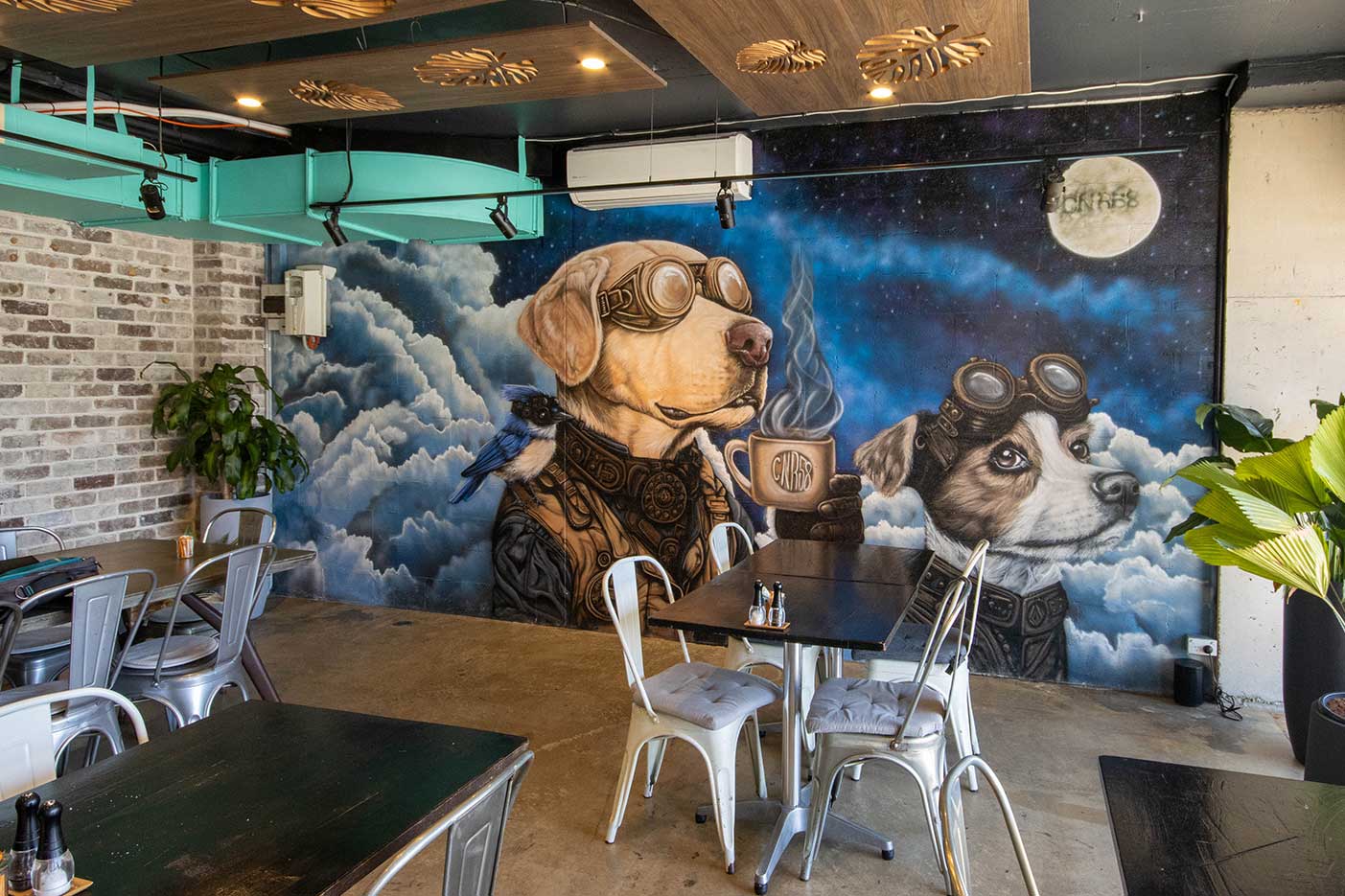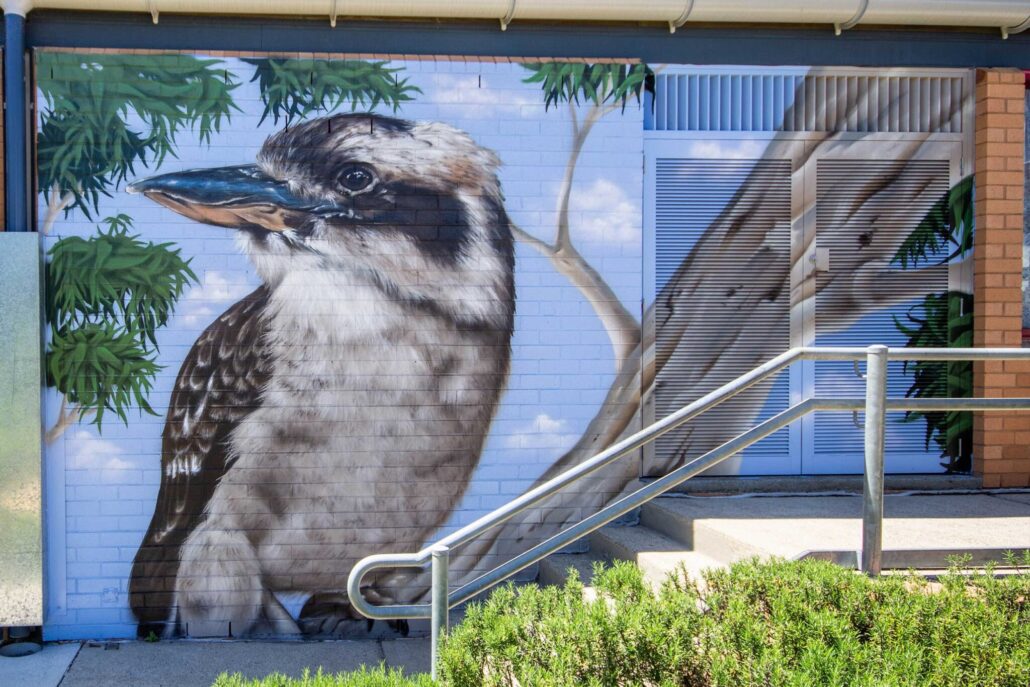
School mural ideas for libraries, stairwells, playgrounds, canteens, kindy areas, wellbeing rooms and entrances, with real Australian school projects.
Read More

Commissioning a mural is one of the fastest ways to turn a blank wall into something people actually stop and look at — but if you’ve never gone through the process before, it can feel like a black box. How do you find the right artist? What needs to go in a brief? How long does it actually take, and what should it cost?
This guide walks through how to commission a mural in Sydney from first idea to final coat, whether you’re a homeowner freshening up a courtyard, a business branding a shopfront, or a council greenlighting public art for a community space.
The right approach changes depending on who the mural is for and where it’s going. Before you get to budget or brief, it helps to know which category your project falls into:
Every one of these sits under our broader mural services, but the brief, approvals process and timeline for each look quite different — which is what the rest of this guide covers.
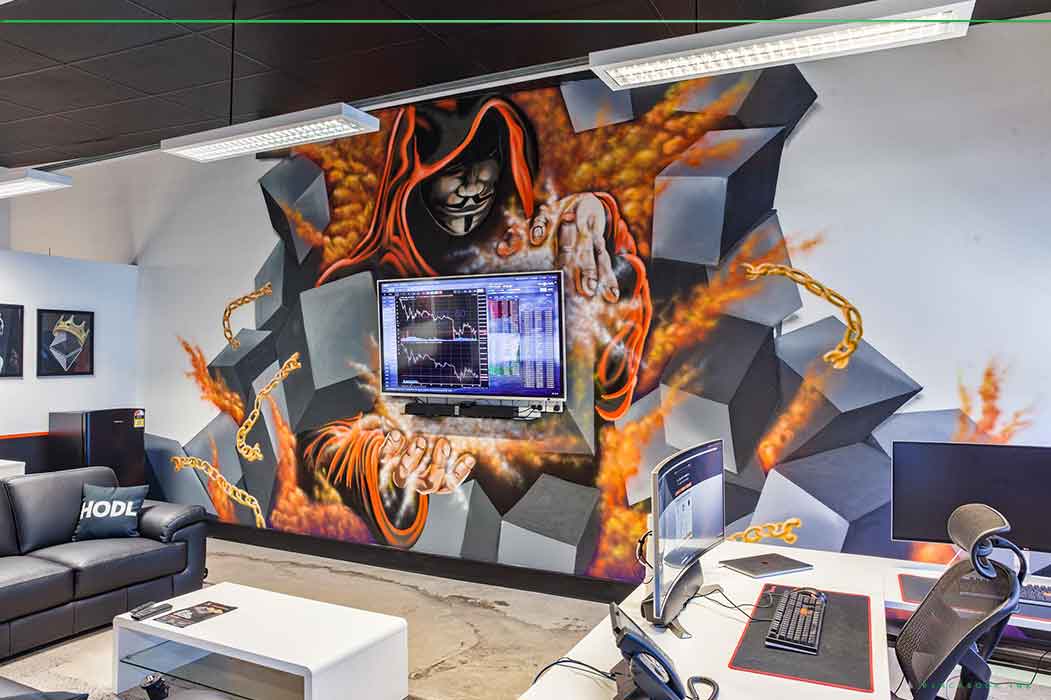
Mural pricing in Sydney is driven mostly by wall size, access difficulty (ground level versus scaffolding or an EWP) and level of design detail — not by a flat per-square-metre rate. As a rough guide, based on typical project scope:
| Project type | Typical cost |
| Small feature wall or interior piece | $1,500 – $3,000 |
| Medium commercial mural (20–50m²) | $3,000 – $8,000 |
| Large-scale exterior or public artwork | $10,000 – $30,000+ |
A properly scoped quote should be itemised — covering design, paint and materials, access equipment hire, and any optional protective coating — rather than handed over as a single lump sum. Most reputable studios, ours included, can turn around a detailed itemised quote within 24 hours of a site visit or photo-based assessment, so there’s rarely a reason to commit before you’ve seen one.
A clear brief is the single biggest factor in how smoothly it goes when you commission a mural in Sydney. Before you contact an artist, try to have the following ready:
The tighter the brief, the fewer revision rounds you’ll need later, and the more accurate the first quote will be.
Not every artist who paints murals is set up to handle a commercial or public commission smoothly. Before you commit, it’s worth asking:
A studio that can’t answer these clearly before you’ve paid a deposit is worth being cautious about, whatever the quote looks like.
Not every mural needs council sign-off, but some do, and it’s worth checking before you fall in love with a design. As a general rule: interior murals on private property rarely need approval; exterior murals visible from the street, murals on heritage-listed buildings, and anything in a strata building usually do. Councils vary quite a bit in how mural-friendly they are, so it’s worth a quick call to your local council’s planning department, checking the NSW Planning Portal, or asking your mural artist whether they’ve worked with that council before — an experienced studio will usually know the answer immediately. This step is easy to skip when you’re keen to commission a mural in Sydney, but it’s far cheaper to check first than to repaint later.
Once you’ve picked a studio, the process to commission a mural in Sydney typically runs through five stages:
Timeframes vary a lot by scope. A small feature wall can often be finished within a few days once the design is signed off. Larger commercial or public artworks — especially anything involving scaffolding, multiple stakeholders or council approval — can take several weeks from first consultation to final coat.
If you’re budgeting to commission a mural in Sydney, most projects fall between roughly $1,500 for a small interior feature wall and $30,000+ for a large-scale exterior or public artwork. The biggest cost drivers are wall size, access difficulty and design complexity, not a flat per-square-metre rate.
From first enquiry to final coat, a small residential mural can often be finished within a week or two. Larger commercial or public art projects, particularly those needing council approval, typically take several weeks to a few months.
It depends on the property. Interior murals rarely need approval, but exterior murals visible from the street, heritage-listed buildings and strata properties often do. Check with your local council, or ask your mural artist whether they’ve worked with that council before.
This should be spelled out in your agreement before work starts. Generally the client owns the physical artwork on their wall, while the artist retains certain rights over the design itself — it’s worth confirming this in writing rather than assuming.
Yes — a mural can be painted over like any other wall finish if a space is renovated or a lease ends, though it’s worth factoring this into a rental or strata agreement from the outset.
Blackbook Ink has completed 670+ murals across Australia since 2011, working across corporate, commercial, community and public art, and residential projects. If you’re ready to commission a mural in Sydney, get in touch for a free consultation and an itemised quote within 24 hours.
Every council in Australia runs some version of the same program: a wall gets tagged, a crew is dispatched, the wall is cleaned, and within weeks sometimes days the tag is back. The removal budget resets each July, and each July it gets spent on the same walls.
That cycle isn’t a failure of effort. Rapid removal is a legitimate and necessary tool. But on a growing list of sites, councils have recognised that removal alone doesn’t change the underlying equation and they’re commissioning murals instead. Here’s why that shift is happening, what the numbers look like, and how to identify the walls where a mural pays for itself fastest.
Graffiti vandalism costs Australian councils and asset owners hundreds of millions of dollars every year in removal, repainting, coatings and staff time. But the headline figure understates the real problem, because graffiti spend isn’t distributed evenly across a local government area. It concentrates.
Most councils find that a small number of chronic-target walls highly visible, easily accessed, frequently blank absorb a disproportionate share of the removal budget. These are the surfaces being cleaned three, four, five times a year. Each clean restores the wall to exactly the state that attracted tagging in the first place: a blank, visible canvas.
Removal treats the symptom and simultaneously resets the incentive. That’s why the same walls appear in the works schedule year after year.
To understand why murals work, it helps to understand why tagging happens where it does. Taggers are drawn to blank, visible surfaces where their work will be seen and will stand out. Visibility is the currency. A freshly cleaned wall on a main road, a rail corridor or a laneway entrance is the highest-value real estate available.
Anti-graffiti coatings make removal faster and cheaper, but they don’t reduce the wall’s attractiveness as a target they just lower the cost of each round of the cycle. CCTV and lighting help at some sites but are expensive to deploy at scale and simply displace activity to the next blank wall.
The only intervention that changes the wall itself that removes the canvas rather than restoring it is covering the surface with artwork.
Commissioned murals interrupt the removal cycle in three ways.
A wall covered in a professional, full-coverage mural offers no canvas. There’s nowhere for a tag to stand out, and tagging over finished artwork produces a far less visible result than tagging a clean wall. The visibility payoff that motivates tagging simply isn’t available anymore.
This is the part most graffiti management guides miss, and it’s where Blackbook Ink’s background matters. Our artists come from the Australian graffiti community, with over 25 years in the culture. Within that culture, there is a longstanding convention against going over another artist’s finished piece particularly work by respected, established artists. A mural painted by artists with genuine standing in the scene is protected by an unwritten rule that no coating or camera can replicate.
A mural commissioned from a design agency with no roots in the culture doesn’t carry the same protection. Provenance matters.
When a mural project includes local input — school workshops, community design sessions, resident consultation the finished artwork belongs to the neighbourhood in a way a blank wall never can. People who helped shape a wall look after it. In youth-heavy areas, engagement built into the commissioning process can convert potential taggers into stakeholders who have a hand in the artwork and a reason to defend it.
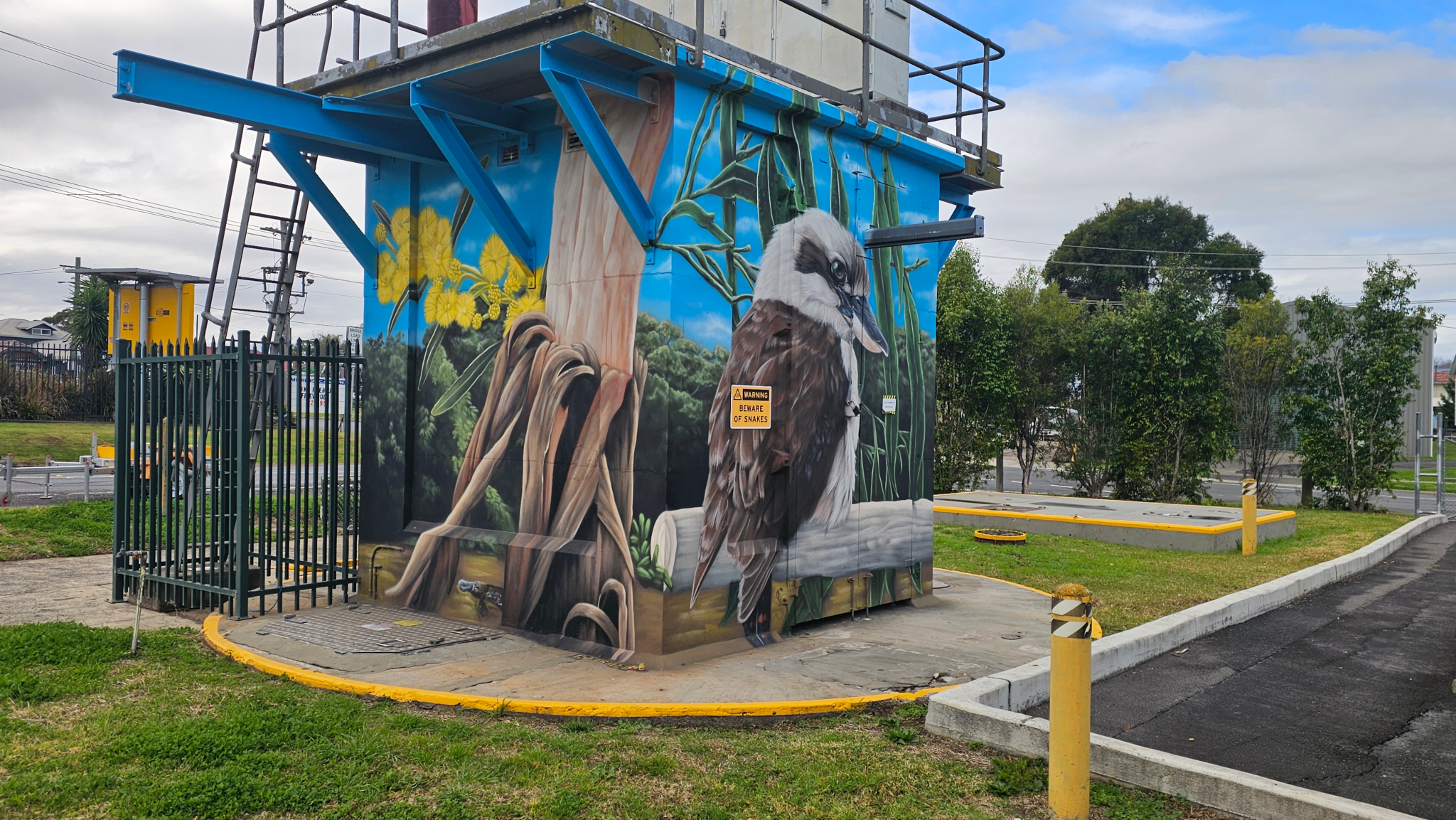
Two projects from our own portfolio show the effect over time.
Sydney Water, Sutherland. We delivered a mural spanning more than 100 metres of Sydney Water infrastructure in Sutherland a chronic graffiti target before the project. In the decade since completion, the wall has remained effectively graffiti-free. The cost of that outcome was a single commission; the counterfactual was ten years of repeat removal on one of the area’s most-hit surfaces. Read the full Sydney Water – Sutherland case study.
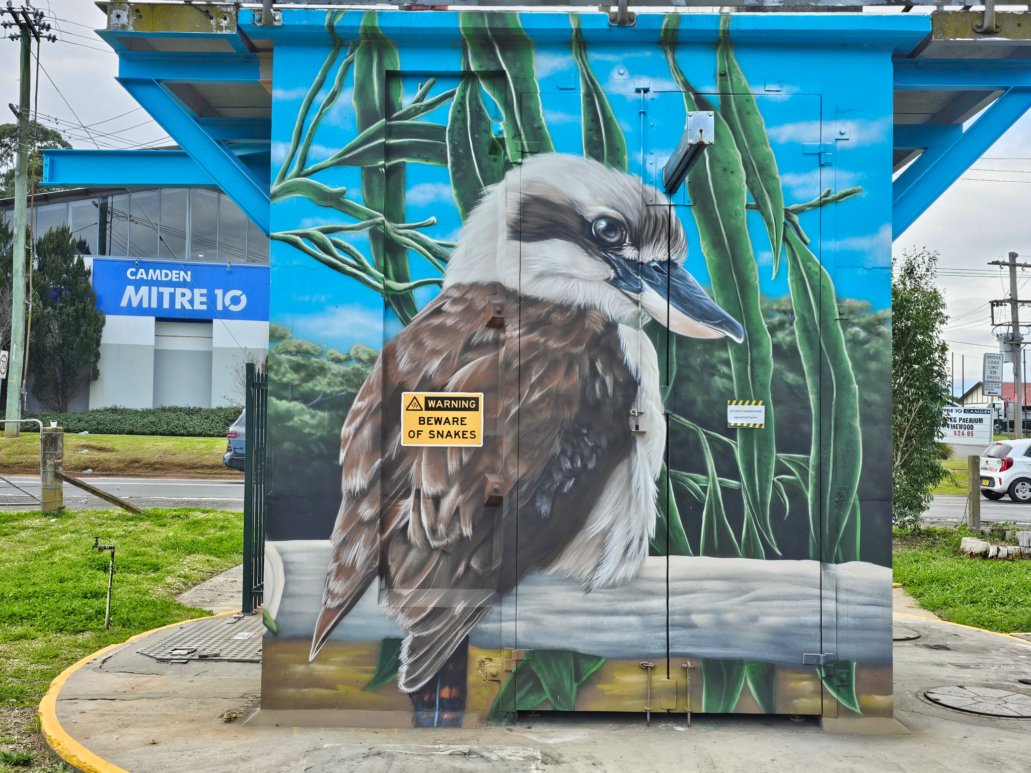
Camden Pump Station. Delivered in partnership with Camden Council and Sydney Water, this project built community engagement directly into the process, including a design workshop with local students whose ideas informed the final artwork. The result is a landmark rather than a target and a template for how councils and utilities can co-fund public art on shared infrastructure. Read the full Camden Pump Station case study.
The business case is straightforward once graffiti spend is tracked per site rather than per program.
Take a wall being cleaned four times a year. Between call-out, labour, materials and traffic or access management, each clean on a large or awkward surface can run into the thousands. Over five years, that’s twenty removal events a recurring cost with no endpoint and no residual value.
A commissioned mural on the same wall is a one-off capital cost, typically comparable to just a few years of that site’s removal spend. Sealed with an anti-graffiti coating, the artwork is protected for the long term, and in the rare event it is tagged, the coating allows the tag to be removed without damaging the mural. Instead of an open-ended cleaning liability, the council holds a public asset one that residents photograph, media cover, and placemaking strategies can point to. For current pricing bands by wall size, see our mural costs guide.
The councils managing graffiti most cost-effectively aren’t choosing between removal and murals they’re layering tools by site:
Rapid removal for isolated tags on low-risk surfaces, and same-day removal of offensive material anywhere.
Anti-graffiti coatings on high-value plain surfaces that need to stay plain heritage facades, signage zones, freshly rendered walls.
Commissioned murals on chronic-target walls the surfaces being cleaned three, four, five times a year. These are the sites where removal spend is highest and where a mural delivers the fastest payback.
Community engagement built into mural projects in youth-heavy areas, converting potential taggers into stakeholders through workshops and design input.
The audit question is simple: which walls has the council cleaned more than twice in the past year? That list is the mural shortlist.
Mural projects don’t always need to come from the graffiti removal budget. Many are funded through public art programs, community grants, placemaking initiatives, and partnerships with asset owners such as Sydney Water. Where a wall sits on utility or state infrastructure, co-funding arrangements can split the cost between the council and the asset owner both parties benefit from ending the removal cycle. Our guide to funding public art in Australia covers the main grant streams and deadlines.
No intervention guarantees zero graffiti, but full-coverage murals by artists respected within the graffiti community have a strong track record of dramatically reducing tagging on chronic-target walls. Our 100m+ Sydney Water mural in Sutherland has remained effectively untouched for a decade.
We seal murals with an anti-graffiti coating, so isolated tags can be removed from the artwork without damage. In practice, tags on established murals are rare and far less visible than tags on a clean wall.
It depends on wall size, access and design complexity, but a commissioned mural is typically comparable to a few years of removal spend on a chronically targeted site after which the recurring cost largely disappears. We provide itemised quotes within 24 hours.
Yes, and for council projects we recommend it. Workshops, student design sessions and resident consultation build local ownership of the finished artwork a key part of why murals stay untouched. The Camden Pump Station project included a student design workshop that shaped the final artwork.
Start with the removal records: any wall cleaned more than twice in the past twelve months is a strong candidate. Prioritise by removal spend per site the most expensive walls to keep clean are the ones where a mural pays back fastest.
Planning a graffiti management strategy that includes murals? Blackbook Ink works with councils across Australia to turn chronic graffiti targets into protected public artworks. 670+ projects delivered since 2011 for councils, schools and asset owners including Sydney Water and Camden Council. Get a free quote response within 24 hours.
Learning how to paint a mural can feel overwhelming at first, especially if you are working on a large wall, using new materials or trying to scale up a design from paper to a full mural.
The good news is that mural painting becomes much easier when you break the process into clear steps.
Whether you are painting a small feature wall at home, a community mural, a school project or your first outdoor wall, the same basic process applies: plan the design, prepare the surface, scale the artwork, paint in stages and protect the finished mural.
This beginner’s guide explains how to paint a mural step by step, including what materials you may need, how to transfer your design onto a wall and what to think about before you start painting.
At Blackbook Ink, we have painted hundreds of murals across Australia for schools, councils, businesses, homes and public spaces. This guide is designed to help beginners understand the basics before starting their own mural project.
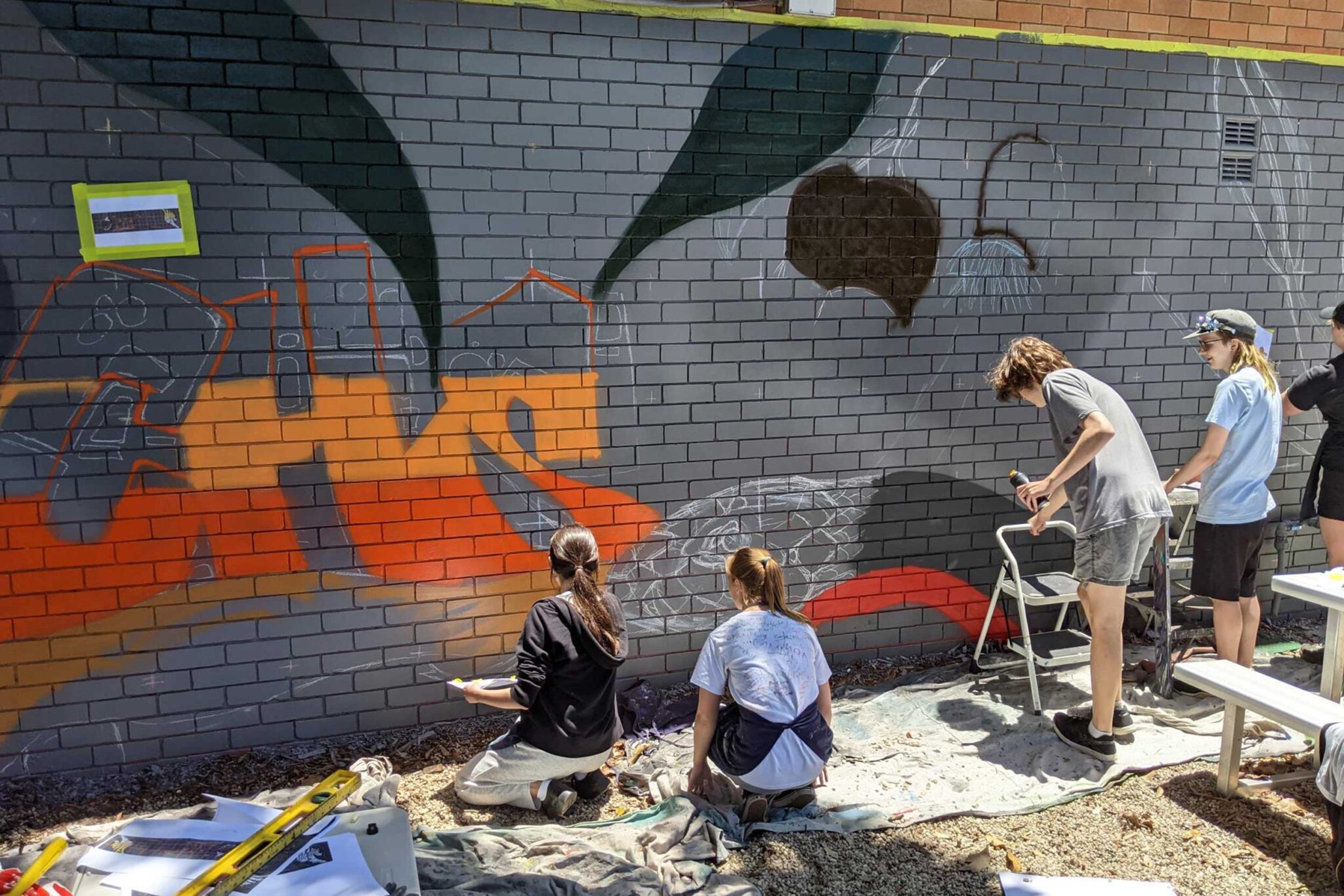
A mural is an artwork painted or applied directly onto a wall, ceiling or large surface.
Murals can be created indoors or outdoors and can range from simple shapes and patterns through to detailed illustrations, realistic portraits, landscapes, graffiti art or large-scale public artworks.
Unlike a canvas painting, a mural needs to work with the wall itself. The size, surface, location, lighting and viewing distance all affect how the artwork should be designed and painted.
This is why planning is one of the most important parts of mural painting.
Before you start painting, it helps to organise your materials.
What you need will depend on the size of the mural, the surface and whether it is indoors or outdoors, but most beginner mural projects will need a version of the following:
For larger murals, you may also need scaffolding, an elevated work platform, spray equipment, respirators, safety barriers or traffic control depending on the location.
For beginner projects, start small. A simple feature wall, bedroom mural or low-height garden wall is much easier to manage than a large outdoor commercial wall.
The first step in learning how to paint a mural is choosing the right wall.
A good mural wall should be stable, clean, dry and suitable for painting. Avoid surfaces with major cracking, peeling paint, water damage, mould or loose render unless they can be repaired first.
Before starting, check:
The surface will affect what preparation, primer and paint system you need.
A successful mural starts with a clear design.
Before painting directly on the wall, sketch your idea on paper or create a digital mockup. This helps you work out the composition, colours, proportions and main elements before committing paint to the surface.
For beginners, simple designs are usually best. Large shapes, bold colours and clear outlines are easier to paint than highly detailed realism.
When planning your mural, think about:
A design that looks good on paper may need to be simplified when scaled up to a large wall.
Wall preparation is one of the most important parts of mural painting.
Even the best artwork will struggle to last if the surface is dirty, dusty, damp or flaking. Preparation helps the paint bond properly and creates a cleaner surface to work on.
Basic wall preparation may include:
Outdoor walls often need more preparation than indoor walls because they are exposed to weather, moisture and dirt.
If you are painting a wall with mould, damp problems or major structural issues, fix those problems before starting the mural.
A primer or base coat helps create an even surface and can make your mural colours look cleaner.
If the wall is bare brick, concrete, render, timber or an uneven colour, a primer or base coat is usually recommended. For outdoor murals, use products suitable for exterior surfaces.
A base coat can also help cover old marks, patchy paint or strong colours underneath.
For most murals, a light neutral base colour works well because it gives you a clean surface to sketch and paint on. White, off-white or light grey are common options, depending on the final design.
Allow the base coat to dry properly before transferring your design.
Once the wall is prepared, the next step is getting your design onto the surface.
There are several ways to do this:
The grid method is a simple option for beginners.
Draw a grid over your design, then draw a matching larger grid on the wall. Copy each square one at a time. This helps keep proportions accurate when scaling up.
A projector can be used to project your design onto the wall so you can trace the outlines.
This is useful for indoor murals or night-time work, but it may not be practical in bright outdoor conditions.
Another option is to use a VR headset, such as a Meta Quest 3, with mural layout apps like Contour or Stencil VR.
This method can help you view your design over the wall and trace the layout at scale. Instead of relying only on a projector, a VR headset can allow you to see your artwork positioned in the space while you mark out the main shapes, proportions and outlines.
For mural painting, this can be useful when:
You are working in a space where a projector is hard to position
The wall is too large for a standard projector setup
You want to check scale and placement before painting
You need to transfer outlines, lettering or composition guides
You want a more flexible way to place artwork onto the wall
VR can be a helpful tool, but it is still only a guide. You still need to check measurements, step back from the wall regularly and make adjustments by eye. Lighting, headset alignment and wall shape can affect how accurate the overlay appears.
For beginners, it is best to use VR to map out the main structure first, then refine the sketch manually before painting.
If you are confident with drawing, you can sketch directly onto the wall using chalk, pencil or diluted paint.
This gives more freedom but requires stronger drawing skills.
For simple shapes, patterns, lettering or geometric murals, stencils and painter’s tape can help create clean edges.
Choose the transfer method that suits your confidence level and the type of mural you are painting.
When painting a mural, it usually helps to work from the background forward.
Start with large background areas, then gradually build up midground shapes, main subjects, details and final highlights.
This process helps you avoid painting small details too early and then accidentally covering them later.
For example, if you are painting a landscape mural, you might paint:
Working in layers keeps the process more organised and helps the mural develop naturally.
Mural painting usually looks better when colour is built up in layers rather than trying to finish everything in one coat.
Some colours may need two or more coats to look solid, especially bright colours, yellows, reds or paints going over a darker base.
Let each layer dry before adding the next. This helps avoid muddy colours, streaks or uneven coverage.
For beginners, it is often easier to block in the main shapes first, then refine the mural gradually.
Do not worry if the mural looks rough during the early stages. Most murals go through an unfinished-looking stage before the details bring everything together.
Once the main colours and shapes are in place, you can begin adding details.
This might include outlines, textures, shadows, highlights, patterns, lettering or small features that make the mural feel finished.
Details should support the mural rather than overcrowd it. On large walls, too much small detail can get lost from a distance.
A good rule for beginners is to step back regularly and look at the mural from the normal viewing distance. This helps you see whether the artwork is balanced and readable.
After the mural is finished, allow it to dry properly before touching, cleaning or sealing it.
Drying time will depend on the paint type, weather, wall surface and how thickly the paint has been applied.
Outdoor murals may take longer to fully cure, especially in cooler or humid conditions.
Avoid painting in rain, extreme heat, heavy wind or on damp surfaces. Poor weather conditions can affect how the paint bonds and dries.
Not every mural needs a clear coating, but outdoor murals, high-touch areas and public-facing walls often benefit from extra protection.
A protective coating can help defend the mural against UV exposure, weathering, dirt and graffiti.
For outdoor commercial or public murals, anti-graffiti coatings may be worth considering. These coatings can make future cleaning easier if the wall is tagged or marked.
Before applying any clear coat, make sure it is compatible with the paint you used. Some coatings can change the finish or colour of the artwork if applied incorrectly.
Beginner mural painters often run into the same problems.
Here are some common mistakes to avoid:
Most of these problems can be avoided with proper planning and surface preparation.
Indoor and outdoor murals have different requirements.
Indoor murals usually have more controlled conditions. You do not have to worry as much about rain, UV exposure or weather damage, but you still need to think about ventilation, floor protection and the type of wall paint being used.
Outdoor murals need to handle sunlight, moisture, temperature changes, dirt and public exposure. They usually require more careful surface preparation, exterior-grade materials and sometimes protective coatings.
If you are painting your first mural, an indoor wall is often easier to manage.
The time it takes to paint a mural depends on the size, detail level, surface condition and number of people painting.
A small simple mural might take a day or two. A larger detailed mural could take several days or weeks.
You also need to allow time for design, wall preparation, base coating, drying time and final protection.
For professional mural projects, the artwork itself is only one part of the process. Planning, concept development, site access, materials, safety and weather can all affect the timeline.
The best paint for a mural depends on the surface and location.
For indoor murals, quality acrylic paints, interior wall paints or low-odour water-based paints can work well.
For outdoor murals, choose exterior-grade paints designed to handle weather and UV exposure. Spray paint can also be used for murals, especially for graffiti art, street art and large-scale colour work.
Do not use cheap craft paint for large outdoor murals. It may fade, peel or break down faster than proper mural-grade materials.
When in doubt, choose paint designed for the surface you are painting.
Yes, in most cases you need permission before painting a mural on any wall you do not own.
For private walls, get permission from the property owner.
For public spaces, schools, businesses, strata buildings, council property or commercial sites, you may need formal approval before painting.
You may also need to consider:
Building ownership
Council rules
Strata approval
Public liability insurance
Working at heights
Copyright for reference images
Safety requirements
Access equipment
Neighbouring properties
Never paint a mural on public or private property without permission.
It is also worth understanding copyright rules for public art and reference images before using photos, logos or characters you did not create yourself.
Painting your own mural can be a great creative project, especially for small indoor walls or simple designs.
But for larger, detailed, public-facing or commercial murals, hiring a professional mural artist is usually the better option.
A professional mural artist can help with design, scale, surface preparation, materials, safety, access and long-term durability.
This is especially important for:
Business murals
School murals
Public art murals
Council projects
Large exterior walls
Brand activations
Detailed realism
Murals requiring lifts or scaffolding
Walls needing anti-graffiti coatings
If the mural needs to represent a business, school or public space professionally, it is worth getting the artwork planned and painted properly.
Learning how to paint a mural is all about planning, preparation and patience.
Start with a clear design, choose the right wall, prepare the surface properly and build the artwork in stages. A mural does not need to be highly detailed to be effective. Simple shapes, strong colours and a well-planned design can still create a powerful result.
For beginners, start small and build confidence before attempting large or complex walls.
If you are planning a mural for a school, business, home or public space and want a professional result, Blackbook Ink can help with concept design, mural painting, graffiti art, street art and large-scale wall artwork across Sydney and Australia.
Start by choosing a suitable wall, creating a simple design, preparing the surface, applying a base coat, transferring your design and painting the mural in layers. Beginners should start with large shapes and simple colours before adding smaller details.
For indoor murals, acrylic paint or quality interior wall paint can work well. For outdoor murals, use exterior-grade paint or professional spray paint designed for outdoor conditions. The best paint depends on the surface, location and finish you want.
In many cases, yes. Primer helps paint bond to the surface and creates a more even base. Bare brick, concrete, render, timber or patchy walls usually benefit from primer or a base coat before mural painting.
Yes. You can use the grid method, doodle grid, VR Headset, freehand sketching, stencils, painter’s tape or chalk outlines to transfer your design onto the wall without a projector.
A small simple mural may take a day or two, while larger or more detailed murals can take several days or longer. Design time, surface preparation, drying time, access and weather can all affect the timeline.
Outdoor murals, public-facing walls and high-touch areas often benefit from a protective clear coat or anti-graffiti coating. Indoor murals may not need sealing unless they are in a high-use area.
For years, business signage has been one of the most common ways to display a logo, direct customers or make a shopfront feel more professional.
But more businesses are now looking beyond standard signs and choosing custom murals instead. This is where muralists for businesses can offer a more tailored approach, creating artwork that supports both the space and the brand.
From restaurants and gyms to offices, retail stores, breweries, cafés and commercial spaces, murals are being used as a more creative way to build brand identity, attract attention and turn blank walls into memorable parts of the customer experience.
More businesses are now looking for muralists for businesses who can create custom artwork that does more than decorate a wall. The right mural can help shape the customer experience, strengthen brand identity and make a commercial space more memorable.
Traditional signage still has its place. But when a business wants something more unique, site-specific and engaging, hiring a professional muralist can offer much more than a standard sign on a wall.
At Blackbook Ink, we work with businesses across Australia to create custom murals, graffiti-style artwork and branded wall art that helps spaces feel more connected, recognisable and visually memorable.
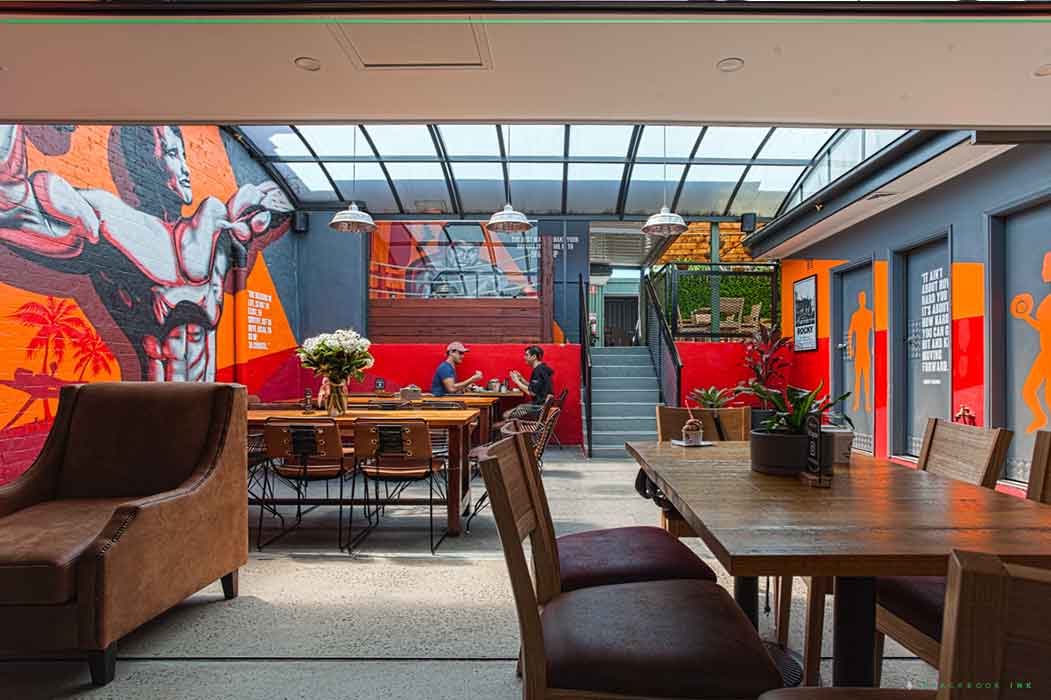
First impressions matter.
Before a customer speaks to your staff, looks at a menu or browses your products, they are already forming an opinion based on the space around them.
Traditional signage can tell people your business name. A mural can help them feel what your business is about.
A well-designed mural can create atmosphere, communicate personality and make a space feel considered from the moment someone walks in. This is why more businesses are using murals in restaurants, cafés, office reception areas, retail stores, gyms, fitness centres, hospitality venues, shopping centres, workplaces, showrooms and event spaces.
Instead of simply placing a logo on a wall, a mural can turn that wall into a feature that supports the wider brand experience.
For businesses that rely on presentation, atmosphere and customer connection, this can make a big difference.
One of the biggest reasons businesses are hiring muralists is because murals do not feel generic.
Traditional signage often follows a similar formula: logo, brand colours, text and maybe a graphic element. It can be effective, but it may not always create a strong emotional response.
A custom mural can be designed around the business, the building, the location and the people who use the space. Unlike general decorators or signwriters, muralists for businesses think about how the artwork will be seen, photographed and experienced by customers.
For example, a mural for a hospitality venue might include food references, cultural themes or local landmarks. A mural for a gym might focus on energy, movement and motivation. A mural for a corporate office might bring brand values, staff culture or company history into the workspace.
This is where a professional muralist offers more than just painting ability. The artwork needs to be designed with purpose, not just decoration.
Many businesses operate in competitive areas where customers have plenty of choice.
A standard sign may help people identify your business, but a mural can help people remember it.
This is especially important for businesses in high-foot-traffic locations such as main streets, shopping centres, laneways, hospitality strips and entertainment precincts.
A strong mural can make a building more noticeable from the street. It can also give people a reason to stop, look, take a photo or share the space online.
That extra attention can be valuable for new business launches, shopfront upgrades, venue refreshes, brand activations, hospitality fit-outs, retail campaigns and commercial developments.
When a mural is designed properly, it becomes part of the business identity rather than just another visual element.
A blank wall is often wasted space.
For many businesses, walls are large, visible surfaces that could be doing more. Professional muralists for businesses can help turn these blank areas into branded features that continue working long after the paint has dried. Instead of leaving them plain or covering them with basic signage, murals can turn those spaces into long-term marketing assets.
A mural can support a business by making the space more recognisable, creating photo opportunities, reinforcing the brand personality, improving customer experience, adding visual value to the fit-out, making the business easier to remember and supporting social media content.
This is why murals work particularly well for hospitality venues, gyms, retail spaces and offices where customers, staff or visitors regularly interact with the space.
A mural does not need to be overly complex to be effective. Sometimes a simple, bold and well-placed artwork can have more impact than a wall full of signage.
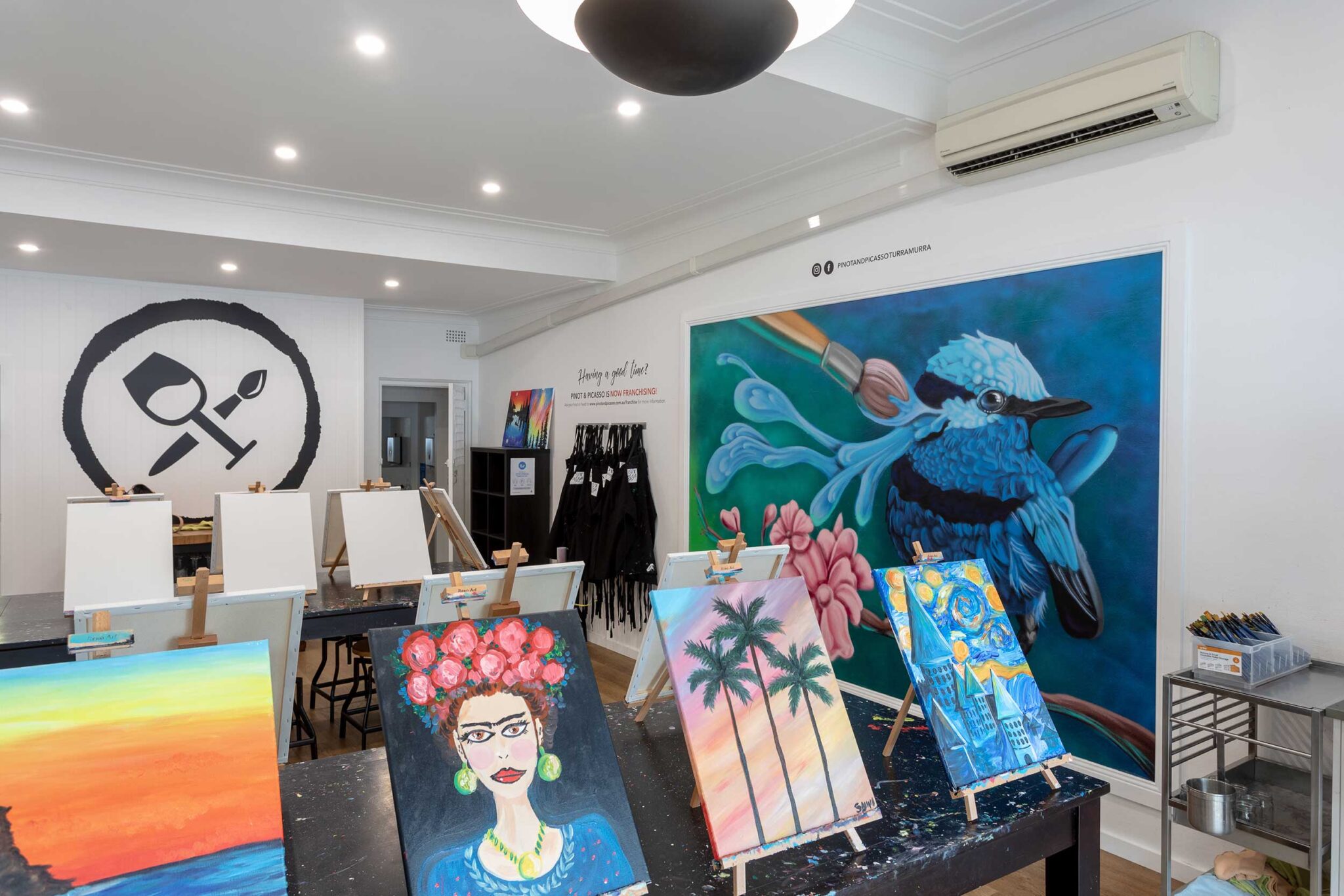
People do not usually take photos of standard signs.
They do take photos of murals.
This is one of the biggest advantages murals have over traditional signage. A custom mural can become an organic content opportunity for customers, visitors and staff.
For cafés, restaurants, gyms and retail stores, this can help create more user-generated content. Customers may photograph the mural, tag the business or share the space with their own audience.
This does not mean every mural needs to be designed as an “Instagram wall”. But it does mean the artwork should be visually strong enough to make people notice it.
For businesses trying to create a more memorable space, this can add value beyond the wall itself.
Choosing a mural does not mean removing brand signage altogether.
In many cases, the best result is a combination of both.
A mural can include a logo, slogan, brand colours or key messaging, but in a way that feels more integrated into the artwork. This can be more visually appealing than placing a logo on a flat wall with no surrounding context.
For example, a branded mural might include a painted logo, brand colours, illustrated products, local references, industry-related imagery, company values, staff culture themes or abstract brand patterns.
The difference is that the branding becomes part of the artwork, rather than sitting separately from the space.
This approach is especially useful for businesses that want their branding to feel more creative, personal and memorable.
Good business interiors are not just about function. They also shape how customers feel.
A plain wall may be practical, but it does not add much to the overall experience. A mural can help create a stronger atmosphere and make the space feel more complete.
This is particularly valuable in restaurants, cafés, bars, retail stores, gyms, salons, clinics, offices, waiting areas and showrooms.
For example, a mural in a restaurant can help set the tone before the food arrives. A mural in a gym can make the space feel more energetic. A mural in an office can make the workplace feel more connected to the company’s identity.
When customers enjoy being in a space, they are more likely to remember it, recommend it and return.
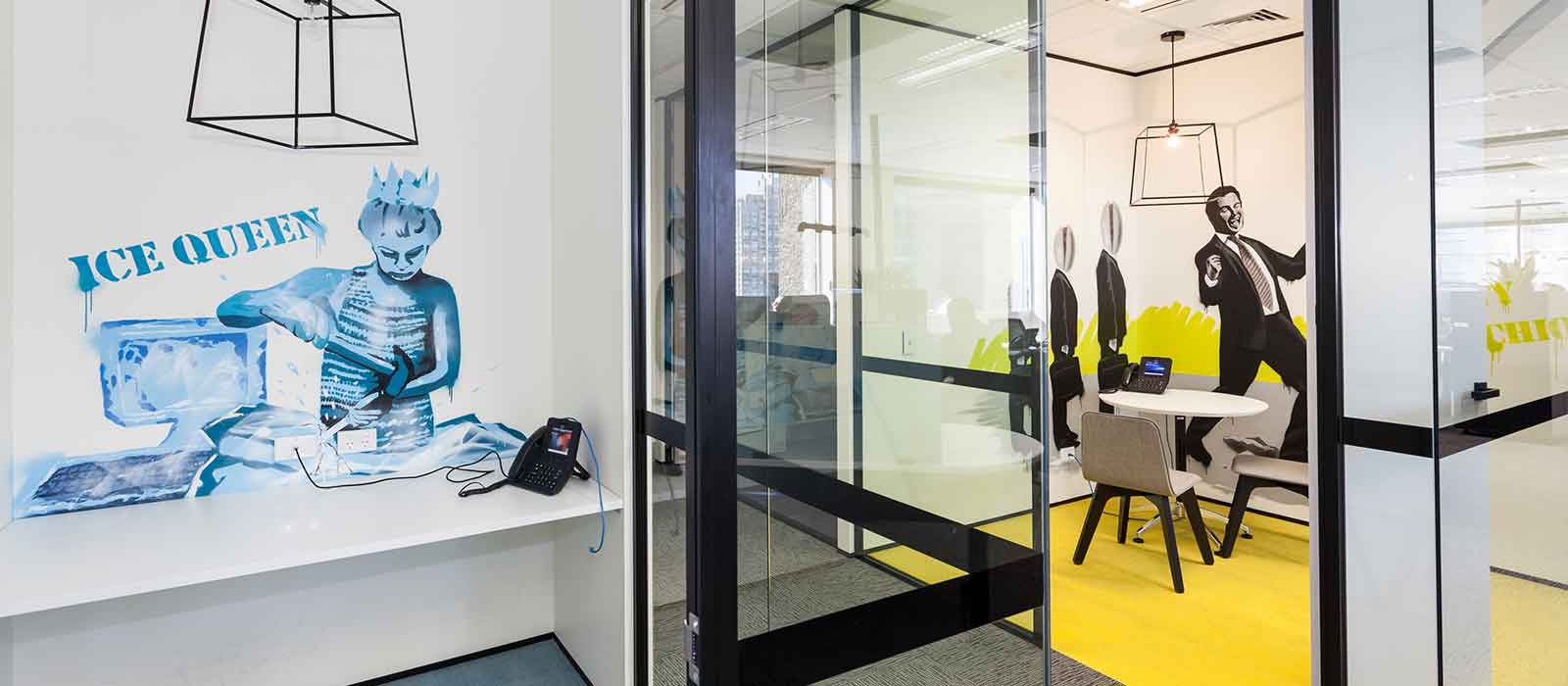
Businesses often want their spaces to feel connected to the area they operate in.
Traditional signage usually focuses on the business itself. A mural can go further by referencing the surrounding suburb, local landmarks, history, community, natural environment or cultural identity.
This is especially useful for businesses that want to feel part of the local area rather than looking like a generic fit-out.
This is similar to the way public art is often used in placemaking to make spaces feel more distinctive and connected to community.
A site-specific mural can help communicate that the business has invested in the space and understands its surroundings.
This approach is also common in public-facing commercial spaces, shopping centres, councils and community-focused developments where placemaking is an important part of the project.
A professionally painted mural can be a long-term investment.
With the right surface preparation, quality materials and protective coatings, murals can last for years in both indoor and outdoor environments.
At Blackbook Ink, we use professional mural materials and can recommend UV and anti-graffiti coatings where suitable. This helps protect the artwork from sun exposure, weathering, general wear and unwanted tagging.
This is particularly important for outdoor commercial murals, shopfronts, hospitality venues and public-facing walls.
Like signage, murals need to be planned properly. The wall condition, exposure, access, surface type and finish all affect the best approach.
Murals are powerful, but they do not replace every type of signage.
Traditional signage is still important for clear information such as business names, wayfinding, opening hours, safety notices, directional signs, compliance signage, menu boards and building identification.
The best approach is often to use signage for clear information and murals for brand experience.
A sign can tell people where they are. A mural can help them remember the place.
That is why more businesses are using both together.
Professional muralists for businesses understand that commercial artwork needs to do more than look impressive. It needs to suit the brand, work with the space, support the customer experience and hold up over time.
A successful business mural needs more than someone who can paint well.
It needs planning, design experience and an understanding of how the artwork will work in the space.
A professional muralist can help with interpreting the brief, creating a concept that suits the brand, working with existing architecture, selecting the right artwork style, planning scale and placement, managing surface preparation, installing the mural safely, using durable materials and recommending protective coatings.
This is especially important for commercial spaces where the mural needs to represent the business professionally and last over time.
At Blackbook Ink, our process includes consultation, concept development, design revisions, site planning and professional mural installation.
Businesses are hiring muralists instead of relying only on traditional signage because murals offer something more memorable.
A sign can identify a business. A mural can create atmosphere, tell a story, attract attention and turn a blank wall into part of the brand experience.
For businesses that want to stand out, improve their space and create a stronger connection with customers, a custom mural can be a powerful alternative to standard signage.
Whether it is a shopfront, office, restaurant, gym, retail store or commercial fit-out, a well-designed mural can help make the space more recognisable, engaging and memorable.
This is why muralists for businesses are becoming a stronger option for brands that want more than basic wall signage.
If you are planning a mural for your business, Blackbook Ink creates custom murals, graffiti artwork and branded wall art for commercial spaces across Australia.
Businesses are hiring muralists because custom murals can make a space more memorable, improve the customer experience and support brand identity. Unlike standard signage, murals can create atmosphere, tell a story and turn a blank wall into a visual feature.
Murals and signage serve different purposes. Signage is useful for clear information such as business names, directions and opening hours. Murals are better for creating atmosphere, brand identity and a memorable customer experience. Many businesses use both together.
Yes. A business mural can include your logo, brand colours, slogans, products or other visual elements. The benefit of a mural is that these details can be worked into the artwork instead of looking like standard flat signage.
Muralists are commonly hired by cafés, restaurants, gyms, retail stores, offices, salons, breweries, shopping centres, hospitality venues and commercial developments.
Murals can help make a business more noticeable and memorable. A strong mural can improve the appearance of a space, encourage photos and make the business easier for customers to remember.
A professionally painted mural can last for years when the wall is prepared correctly and quality materials are used. Outdoor murals may also benefit from UV or anti-graffiti coatings depending on the location and exposure.
How murals increase foot traffic is a common question for business owners looking to make their space more noticeable, memorable and engaging.
Standing out in a competitive environment is one of the biggest challenges for any business. Whether it is retail, hospitality, offices or commercial spaces, attracting attention is the first step in bringing customers through the door.
This is where murals can make a real difference.
Many businesses underestimate how much murals can increase foot traffic when they are designed and placed correctly. A mural can act as both a visual attractor and a branding tool, helping a business become more noticeable, memorable and easier to recognise.
Unlike standard signage, a mural can create curiosity, encourage people to stop and turn a blank wall into a long-term marketing asset.
At Blackbook Ink, we create custom murals for businesses across Sydney and Australia, helping commercial spaces stand out through professional mural artwork, graffiti art and site-specific wall designs.
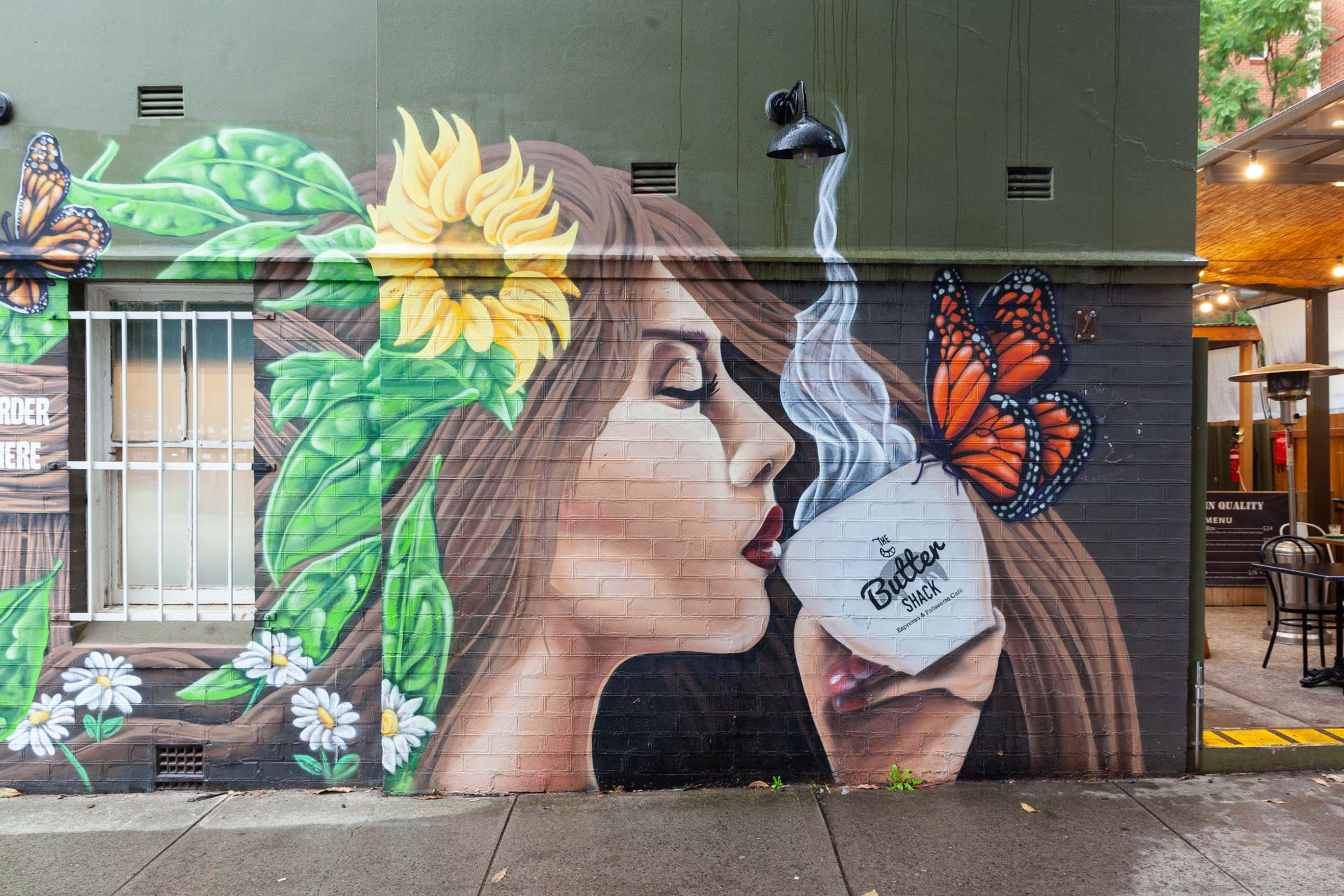
For most businesses, you only have a few seconds to capture attention.
A plain or generic exterior often blends into the background. A bold, professionally designed mural can create immediate visual impact and give people a reason to stop, look and remember the space.
A mural can help create:
This visual interruption is what can turn passive foot traffic into potential customers.
Understanding how murals increase foot traffic comes down to how people notice, remember and interact with a space.
Murals work because they combine scale, colour, creativity and location. A well-placed mural can make a business easier to notice from a distance, more memorable after someone has walked past and more engaging once people interact with the space.
There are four main ways murals help bring attention to a business.
Murals turn ordinary locations into recognisable destinations.
A painted wall, shopfront or feature area can become a visual marker that helps people remember where your business is. This is especially useful for businesses located in busy streets, laneways, shopping centres, industrial areas or shared commercial spaces.
Instead of being just another business in the area, a mural can help your location stand out.
People are naturally drawn to colour, scale and detail.
A mural can make someone slow down, turn their head or walk closer to see the artwork properly. That moment of curiosity can be valuable, especially for businesses that rely on walk-ins, street visibility or local awareness.
When a mural is designed to suit the business, it does more than look good. It creates a visual reason for people to engage with the space.
The longer someone stays near your business, the more likely they are to notice your offer, read your signage, look inside or walk through the door.
Murals can encourage dwell time by giving people something to look at, photograph or talk about. This works particularly well for cafés, restaurants, bars, retail stores, gyms and hospitality venues where customer experience is an important part of the business.
Murals often become backdrops for photos, videos and social media posts.
When customers take photos in front of a mural and tag your location, your business can reach people beyond those who physically walk past. This creates ongoing exposure without paying for every impression.
For many businesses, this turns a mural into a built-in marketing asset.
Hospitality and retail businesses often rely on atmosphere, presentation and customer experience.
In these spaces, murals can help create a more memorable environment. They can reinforce the brand, improve the look of the venue and give customers something to connect with beyond the product or service.
Murals can be especially effective for:
In venues where murals are integrated into the design, customers are more likely to remember the space, spend time in the environment and associate the business with a stronger visual identity.
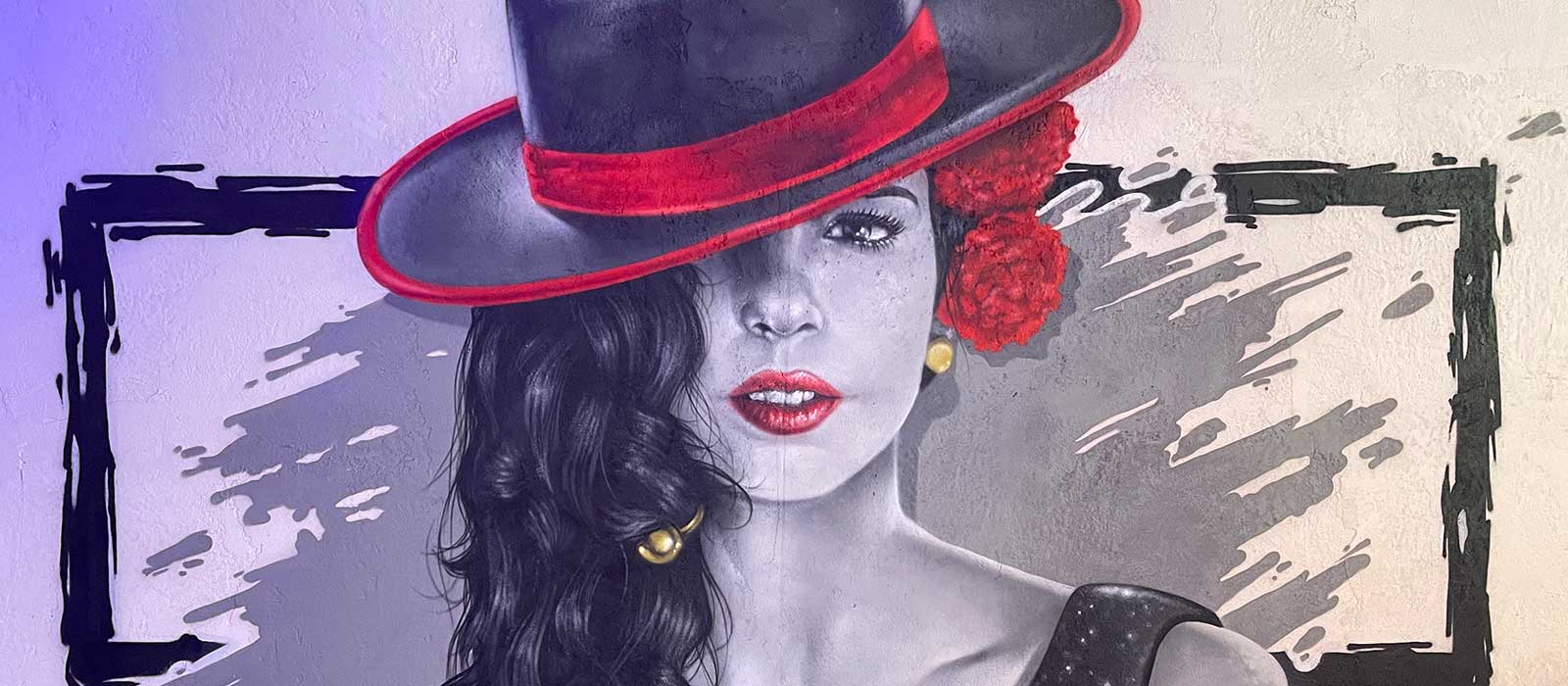
Murals are more than decoration. They are a form of visual communication. This is another reason how murals increase foot traffic is closely connected to branding, visibility and customer experience.
Strong visual branding can influence how people recognise and remember a business. You can read more about the role of brand recognition in marketing through resources such as the Australian Government’s business branding guidance.
A custom mural can reflect your brand personality, tell a story about your business and create consistency across your space. It can include colours, themes, imagery, local references or brand elements that help customers understand who you are.
Unlike traditional signage, murals often feel more organic and engaging. They can make a brand feel more personal, creative and connected to the physical space.
A mural can support your branding by:
Murals can work in many different business environments, but they are most effective when the artwork has a clear purpose.
The goal might be to attract attention from the street, improve the interior atmosphere, reinforce a brand story or make a business more memorable.
Murals work especially well in:
In each case, the goal is the same: turn the space into something people notice and remember.
In highly competitive areas like Sydney, standing out visually is critical.
Businesses are surrounded by signage, advertising, shopfronts and constant visual noise. A well-designed mural can help cut through that by creating something site-specific, memorable and different from standard commercial signage.
Murals are increasingly being used by Sydney businesses to:
For businesses in Sydney, murals can be particularly useful in hospitality strips, retail precincts, gyms, offices, commercial fit-outs and public-facing locations.
Traditional signage is still important. Businesses need clear signage for names, directions, opening hours, menus, safety notices and wayfinding.
But murals can do something different.
A sign identifies your business. A mural can help create atmosphere, encourage engagement and make your business more memorable.
This is why many businesses now use both together. Signage provides the clear information, while murals help shape the experience around it.
For a deeper look at this, read our guide on Why Businesses Are Hiring Muralists Instead of Traditional Signage.
Yes. Murals can help increase foot traffic by making a business more noticeable, recognisable and memorable. A strong mural can attract attention from passersby, encourage people to stop and create opportunities for customers to share the space online.
Murals can be worthwhile for small businesses when the artwork supports the brand and is placed in a visible or meaningful location. A mural can help a small business stand out, improve the customer experience and create a stronger visual identity.
Yes. Murals can support marketing by creating photo opportunities, improving brand recognition and giving customers a reason to engage with the space. They can also generate organic exposure when people share photos or videos online.
Cafés, restaurants, retail stores, gyms, offices, salons, bars, breweries, clinics, shopping centres and commercial venues can all benefit from murals when the artwork is designed with a clear purpose.
Yes. A mural can include brand colours, logos, products, values, local references or other visual elements that support the business identity. The key is to integrate branding naturally so the mural feels like part of the space.
Once you understand how murals increase foot traffic, it becomes easier to see why many businesses use murals as part of their wider marketing strategy.
A professionally designed mural can help your business stand out, attract attention and create a lasting impression.
Blackbook Ink creates custom murals, graffiti artwork and commercial wall art for businesses across Sydney and Australia. Whether you need a shopfront mural, interior feature wall, hospitality mural or branded commercial artwork, we can help turn a blank wall into a memorable part of your business.
Graffiti and vandalism are ongoing issues for many businesses, councils, and property owners. Blank walls often become repeated targets, leading to ongoing maintenance costs and a constant cycle of repainting.
One question that comes up regularly is: do murals reduce graffiti?
The short answer is yes — but only when done correctly.
In fact, one of the lesser-known benefits of murals is their ability to deter tagging and improve how a space is treated over the long term.
Read more about the broader benefits of murals

To understand whether murals work, it helps to understand why graffiti happens in the first place.
Blank walls are:
For graffiti writers, these surfaces become prime locations to leave a mark — especially in high-traffic areas.
Once tagging starts, it often escalates:

So, do murals reduce graffiti?
In most cases, yes significantly.
High-quality murals often deter tagging because:
This creates a psychological shift:
From a blank canvas → to a completed artwork
Many property owners rely on:
The problem is:
These solutions don’t address the root cause
Repainting a wall simply resets it back to a blank surface, making it an easy target again.
Murals, on the other hand:
Explore how this approach fits into
graffiti art & mural solutions
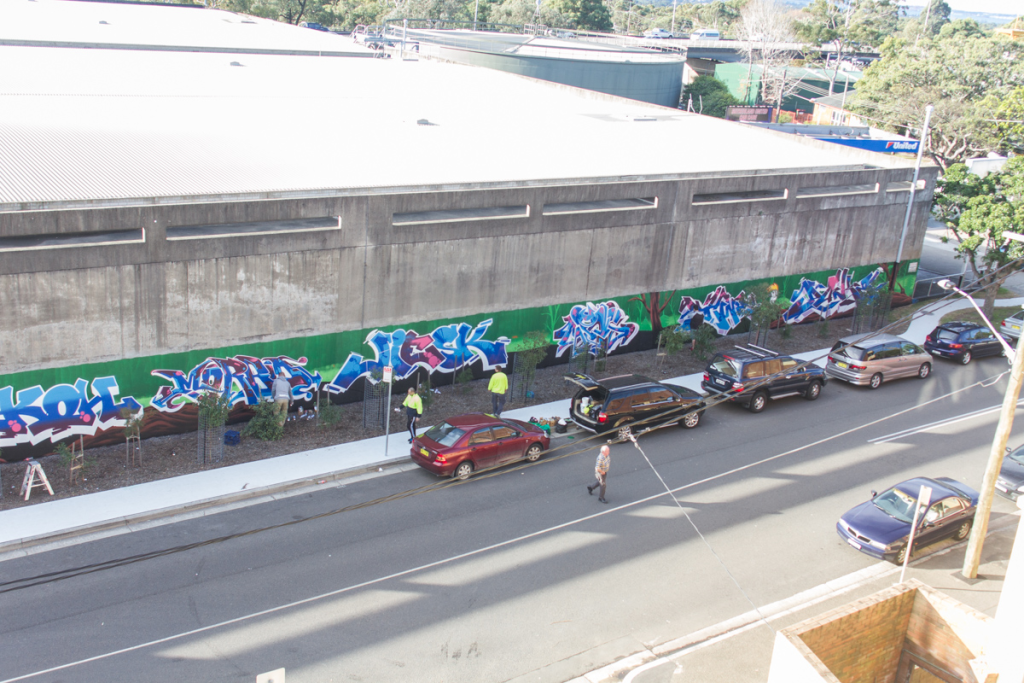
A strong example of this approach comes from a project completed for Sydney Water in Sutherland.
The site:
Instead of continuing to repaint the wall, a different approach was taken.
A team of 11 graffiti artists was brought together to create a cohesive mural, including:
The entire piece was colour-matched and designed as one continuous mural.
Even years later, the wall remains largely free of tagging.
Not all murals prevent graffiti. The execution matters.
Effective murals typically include:
Detailed, professional murals are less likely to be tagged over.
Filling the entire wall removes “empty space” that invites tagging.
Understanding graffiti culture helps create work that is respected.
A unified mural is more effective than fragmented pieces.
Murals are especially effective for:
See how murals are used across different sectors:
In areas across Sydney, murals are increasingly being used as a proactive solution to graffiti.
Rather than reacting to vandalism, property owners are:
Learn more about
Sydney mural projects
No solution is 100% guaranteed, but high-quality murals significantly reduce the likelihood of tagging.
Murals and coatings can work together, but murals address the root cause by changing how the space is perceived.
With proper materials and coatings, murals can last for many years while maintaining their effectiveness.
If you’re dealing with repeated graffiti issues, a mural may be a more effective long-term solution than constant repainting.
Or learn more about:
Imagine walking into a school where students don’t just observe the environment, they’ve helped create it.
This is the impact of student involvement in school murals.
Rather than simply installing artwork, schools are increasingly choosing to collaborate with students to design and create murals that reflect their ideas, identity, and community.
This approach not only enhances the visual environment, but also contributes to the broader benefits of murals in educational settings.
While this article focuses on the process, student-led projects are also part of the broader benefits of school murals, which cover engagement, learning, and long-term impact.
Whether led by students or delivered by our team, every mural for education we paint is designed to reflect the school community it sits in.
When students are involved in mural creation, the outcome goes far beyond the artwork itself.
Key benefits include:
Students feel connected to the space because they helped shape it.
Beyond participation, murals also contribute to improved learning environments, school culture, and student wellbeing.
Explore the full benefits of school murals
Murals become something students respect and look after.
The final artwork reflects real student voices, not just a concept applied to the space.
See how this is applied in
school mural projects
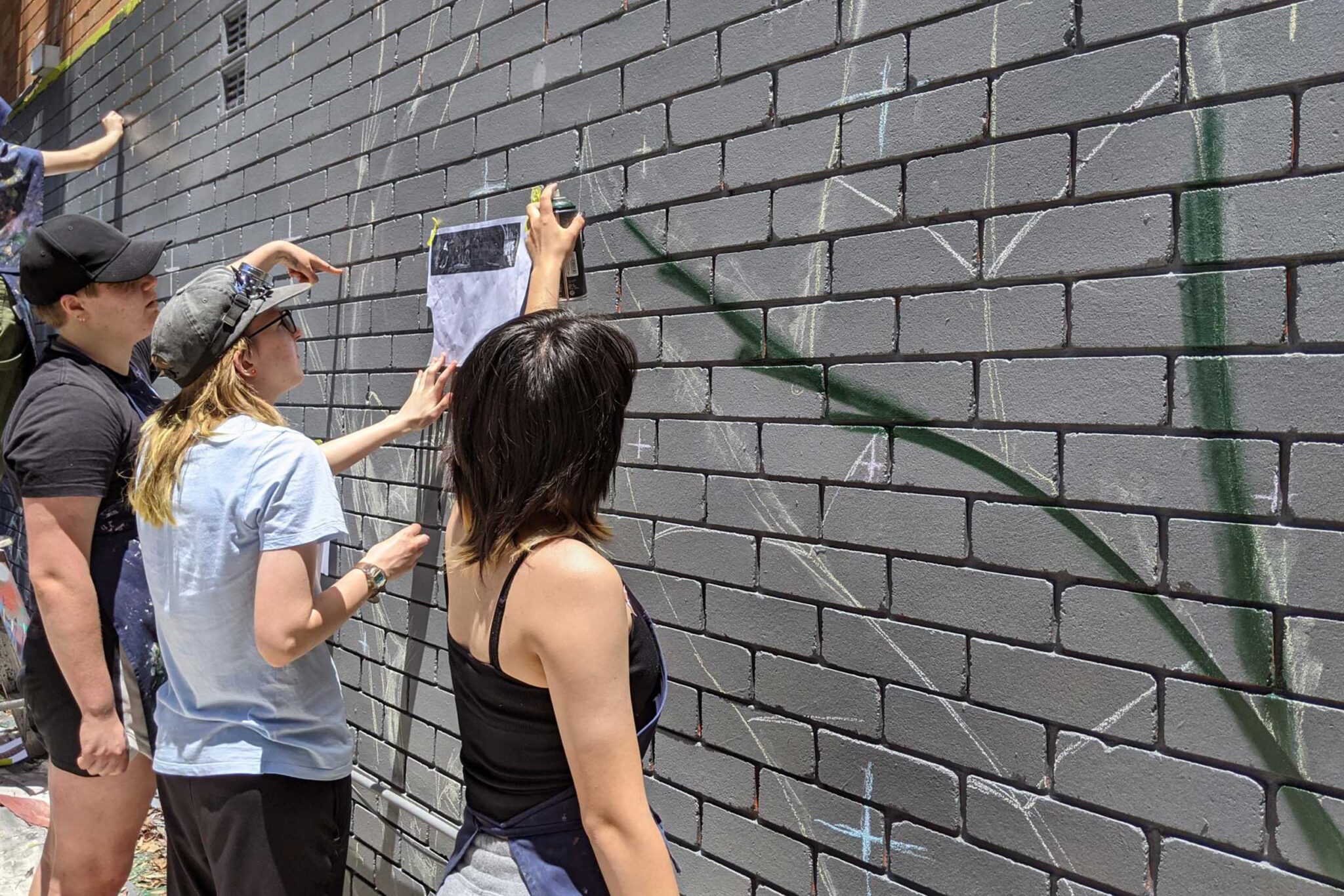
Traditional murals are created for students.
Student-led murals are created with students.
That shift changes everything.
Instead of:
You create:
This is where student involvement in school murals delivers its biggest value.
This approach follows a structured process to ensure both creative input and professional execution.
Students contribute ideas through:
Artists take student input and develop:
Depending on the project, students may:
Learn more about our mural process
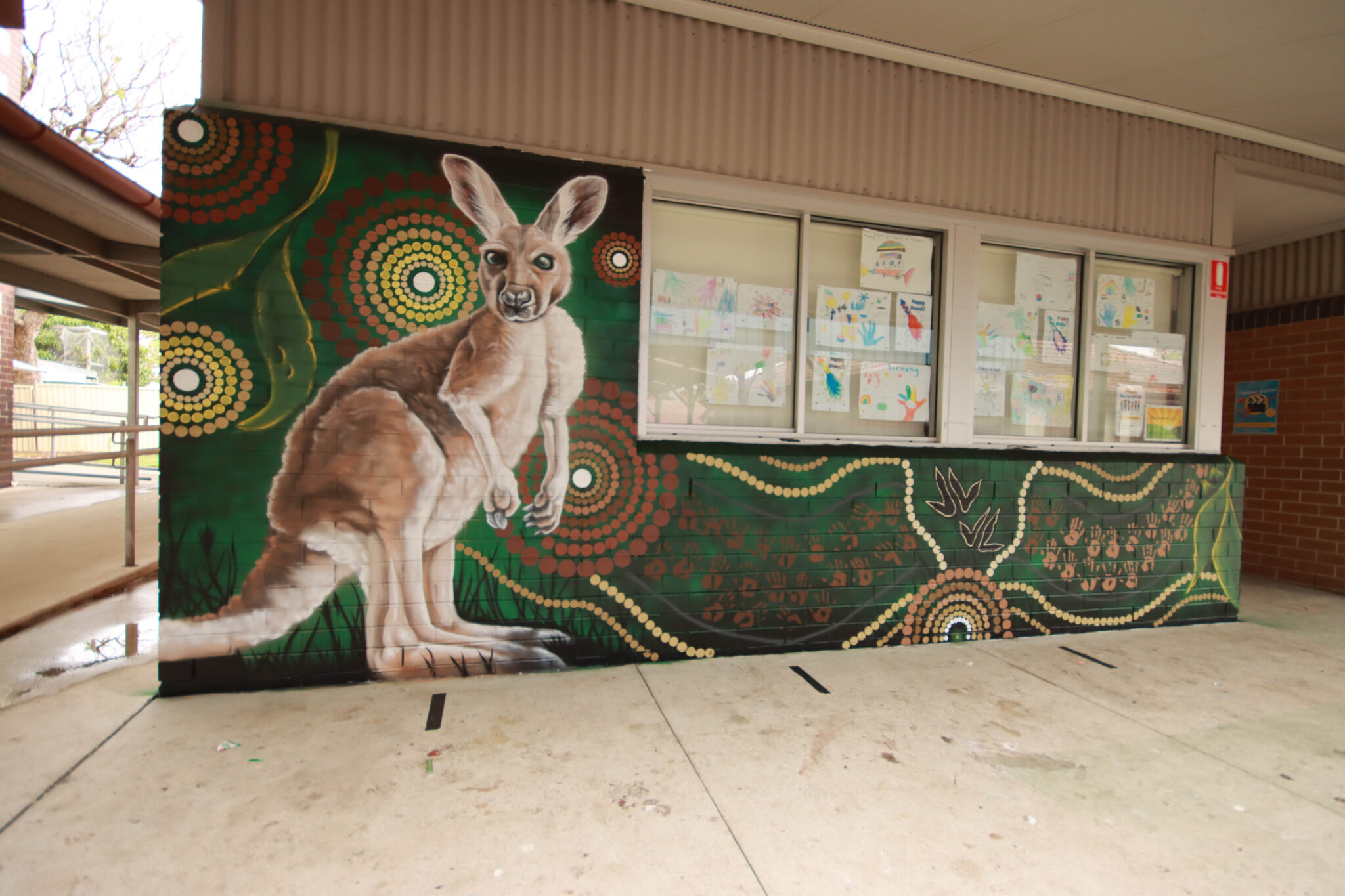
Student involvement works across a wide range of mural styles:
Each project is shaped by the students contributing to it.
Schools that involve students in mural projects consistently see stronger outcomes.
In recent projects, involving students in the design phase resulted in:
Students weren’t just viewing the mural, they were connected to it.
Explore more examples:
School mural case studies
Schools are moving towards more interactive and engaging environments.
Student involvement in murals aligns with:
It transforms murals from a visual upgrade into a meaningful experience.
Across Sydney, schools are increasingly adopting student-led mural projects to create more engaging and personalised environments.
See how this is being applied locally:
Sydney mural projects
Projects can be adapted for primary, high school, and even community groups.
Not always, but involving students significantly increases the impact and long-term value of the mural.
This depends on the school — from workshops to hands-on painting.
If you’re looking to create a mural that truly reflects your students and school community, involving students in the process can deliver far greater impact.
Or explore:
Securing funding for your arts project can feel overwhelming, but breaking it down into clear steps makes the process manageable. Whether you’re applying for community mural grants, public art commissions, or creative project funding, this guide walks you through each stage.
Government portals:
Creative Australia Grants
State arts bodies (VIC/NSW/QLD etc.)
Grant databases:
Local councils (Check your council’s website)
Pro Tip: Set up Google Alerts for “arts funding [your state]” to catch new opportunities.
Before investing time, verify:
✔ Who can apply (individuals, organizations, collectives)
✔ Project types funded (e.g., murals vs. performances)
✔ Funding amounts (don’t waste time on $5K grants if you need $50K)
✔ Deadlines (mark them in your calendar + set reminders 6 weeks out)
Example: The Regional Arts Fund specifically requires regional/remote projects.
Project Plan (1-2 pages max)
Clear description
Community impact
Timeline
Budget Breakdown
| Category | Amount | Notes |
|---|---|---|
| Artist Fees | $8,000 | 20 days @ $400/day |
| Materials | $2,500 | Eco-friendly paints |
| Workshops | $3,000 | 6 x community sessions |
Support Materials
Artist CV
Previous work samples (5-10 images for murals)
Letters of support from community partners
Template: Download a free grant application checklist
Summary (50 words)
“A 30m mural celebrating [LOCAL THEME], created with [COMMUNITY GROUP] to [BENEFIT].”
Community Need (Why this matters now)
Reference local statistics if possible
Show community consultation
Artistic Vision
Style/techniques
Engagement process (e.g., workshops)
Impact Measurement
Expected visitor numbers
Long-term benefits
Pro Tip: Use the funder’s language from their guidelines.
Double-check requirements (PDF format? Page limits?)
Submit early (Avoid last-minute tech issues)
Confirmation email? Save it!
If unsuccessful: Politely ask for feedback
✔ Acknowledgement requirements (Logos? Credit lines?)
✔ Reporting deadlines (Often 6-12 months post-project)
✔ Keep receipts for all expenses
❌ Missing eligibility criteria (e.g., applying for regional funds in metro areas)
❌ Vague budgets (“Miscellaneous” is a red flag)
❌ Overlooking small grants (They often have higher success rates)
Before applying, explore our comprehensive list of arts grants available across Australia. We’ve curated the latest opportunities for community murals, public art installations, and creative projects complete with deadlines, funding amounts, and direct application links. Whether you’re a solo artist, school, or local council, you’ll find tailored options to bring your vision to life.
*(All links verified as of September 2026 – Click to apply directly)*
| Grant | Focus | Max Funding | Deadline | Application Link |
|---|---|---|---|---|
| Creative Australia Project Grants | Large-scale public art | $50,000 | 15 Aug 2025 | Apply Here |
| Regional Arts Fund – Quick Response | Urgent placemaking | $25,000 | Monthly | Apply Here |
| Eco-Public Art Grant | Sustainable murals | $30,000 | 30 Sep 2025 | Apply Here |
Create NSW Public Art Fund ($50K) | Deadline: 30 Sept 2025 | Guidelines
Western Sydney Mural Fund (Ongoing) | Application Portal
Creative Victoria Neighborhood Arts ($15K) | Quarterly | Apply Here
Melbourne Metro Arts | New Mural Stream
Arts Showcase QLD ($25K) | Deadline: 1 Nov 2025 | Application Pack
First Nations Public Art Fund | Closes 31 May 2025 | Apply Here
Balnaves Foundation Indigenous Narratives ($20K+) | Guidelines
NextGen Murals (Ages 16-25) | Digital Proposal Portal
Myer Foundation Youth Arts (Rolling) | Application Form
Lismore Flood Memorial Art Fund | Closes 15 Jul 2025 | Emergency Application
| Foundation | Focus | Link |
|---|---|---|
| Sidney Myer Fund | Social justice murals | Apply |
| Tim Fairfax Foundation | Regional arts | Guidelines |
| Ian Potter Foundation | Cultural projects | Portal |
Grants Hub Tracker (300+ live opportunities)
Community Benefit Calculator (Prove your mural’s value)
Arts Funding Calendar (Sync deadlines to your calendar)
Murals in schools do far more than add colour to blank walls — they create inspiring learning environments that foster creativity, build community, and empower students.
Explore our school mural services to see how these projects are delivered in real school environments.
Research shows that students in schools with vibrant visual environments demonstrate improved focus, higher attendance rates, and greater enthusiasm for learning. Let’s explore why more schools are embracing mural projects and how they create lasting positive effects that continue to benefit students long after the paint dries.
These outcomes are part of the broader benefits of murals seen across schools, businesses, and community spaces.

One of the greatest benefits of school murals is how they get students actively involved in shaping their environment. Teachers consistently report that when students participate in designing, planning, and painting murals:
School feels less “Schooley” – The creative process breaks up routine, making learning more dynamic
Students develop real-world skills – They practice decision-making, collaboration, and project management
Morale improves significantly – Kids take pride in contributing to something permanent
Social bonds strengthen – Students interact with peers and teachers in new, positive ways
As one teacher noted, “Watching shy students gain confidence as their design comes to life is magical. They walk taller after contributing to our school’s mural.”
Student involvement plays such a critical role in the success of a mural project that many schools are now prioritising collaborative approaches over traditional installations.
Learn more about how this works in practice in our guide to student involvement in school murals
See it in action: at Caringbah High School, this played out as a full workshop-to-mural program — students learned spray-painting techniques, contributed original concept drawings, and helped paint sections of the final wall alongside our artists.
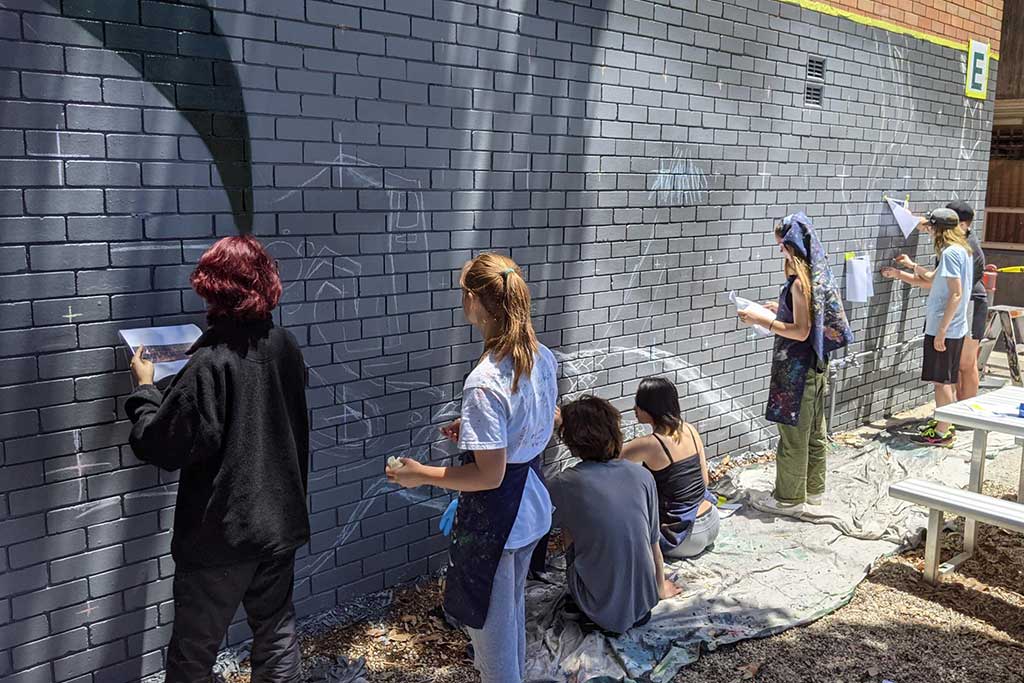
The second most praised benefit? Murals instantly transform the school atmosphere. Walking into a vibrant, colourful space:
Boosts moods – Bright artwork creates an uplifting environment
Reduces stress – Visual stimulation helps students feel more relaxed
Encourages creativity – Inspiring imagery sparks imagination throughout the day
Makes school more welcoming – Blank institutional walls become engaging spaces
Teachers report that students arrive more excited and engaged when their school features student-created artwork. The murals serve as constant reminders that this is “their” space.
This is where murals go beyond decoration and become part of a structured creative process.
Learn how this is planned and delivered through our mural process
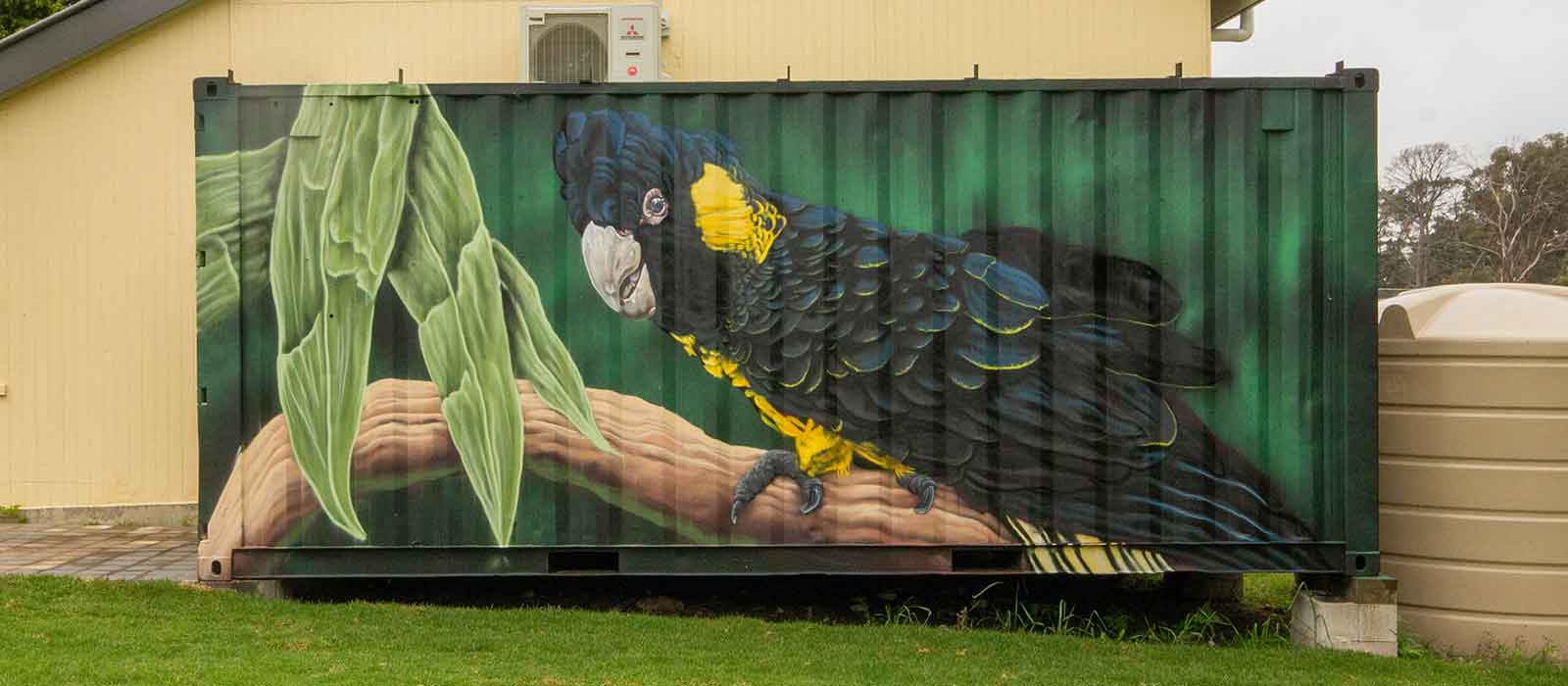
In Australia’s multicultural landscape, murals offer powerful ways to:
Represent all cultures – Showcase the rich diversity of the student body
Promote unity – Help students from different backgrounds feel connected
Encourage belonging – Ensure every student sees themselves reflected in school spaces
One school’s “Hello Wall,” featuring greetings in dozens of languages, became a beloved meeting spot where students proudly shared their heritage.

Murals provide exceptional opportunities to:
Educate through art – Share Indigenous stories and traditions visually
Build cultural awareness – Involve students in learning about First Nations heritage
Foster reconciliation – Create visible symbols of respect and inclusion
Schools that collaborate with Indigenous artists and elders report profound impacts on both Indigenous and non-Indigenous students’ understanding and appreciation.
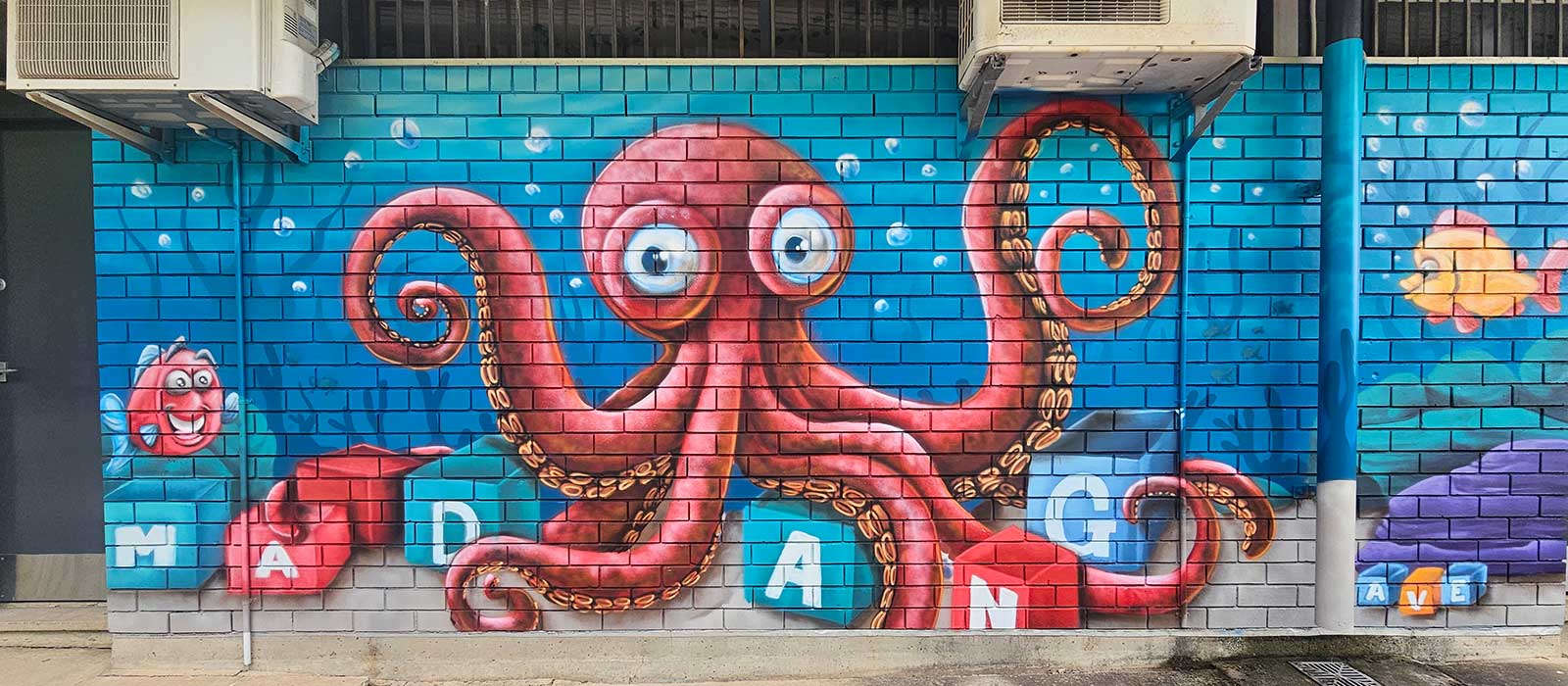
Our ongoing mural program at Madang Avenue Public School includes exactly this kind of collaboration — a mural co-created with Indigenous artist Michael Fardon, featuring a bat, owl and possum that each represent a different class within the school.
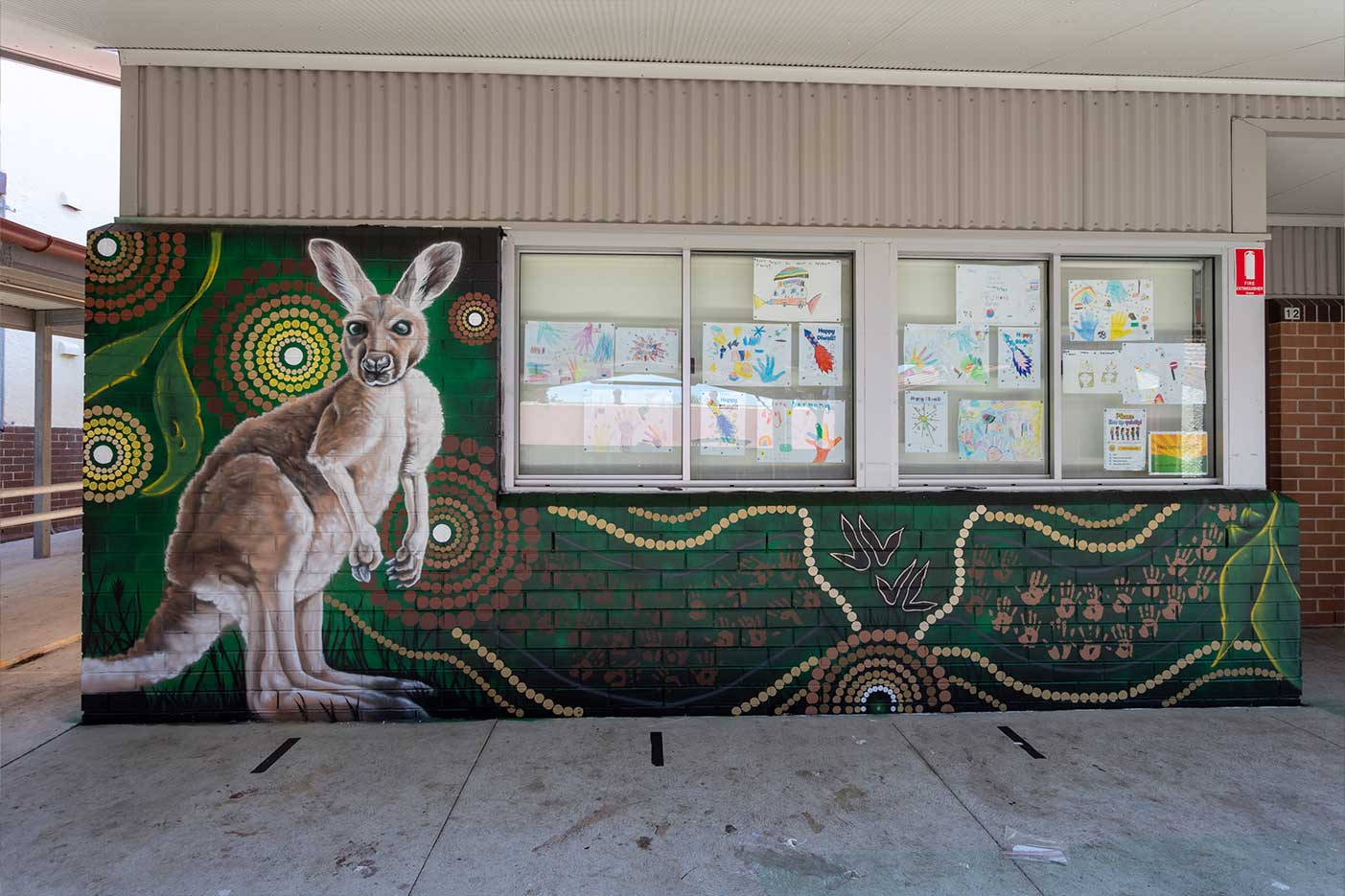
Compared to other renovations, murals offer outstanding value:
Affordable beautification – Dramatically improve spaces without major construction
Long-lasting impact – Quality murals remain vibrant for years
Interactive learning tools – Turn walls into educational resources
Community showcase – Demonstrate student talent and school values
Many schools fund projects through small grants or local business partnerships, making this an accessible improvement for most budgets.
You can also learn more about budgeting and planning in our guide to mural costs
To maximize these benefits:
Involve students at every stage – From brainstorming to brushstrokes
Choose meaningful themes – Reflect student interests and school values
Celebrate diversity – Ensure all cultures feel represented
Consider Indigenous perspectives – Collaborate with local knowledge holders
Plan for longevity – Use quality materials and protective coatings
While the benefits are clear, the biggest impact often comes from how the mural is delivered.
See how schools are involving students directly in the process in our guide to student involvement in school murals
Across Sydney, schools are increasingly investing in murals to improve engagement, create identity, and transform their environments.
View recent Sydney mural projects to see how murals are being used across local schools and communities
Three recent examples: a commemorative ANZAC mural at Milperra Public School, a multi-area, nine-mural program at Madang Avenue Public School, and a fully student-led workshop project at Caringbah High School — each showing a different way schools are using murals right now.
Straight answers to the questions we hear most from principals, P&C committees and school staff planning a mural project.
School murals lift student engagement, build a sense of ownership and pride, support inclusion and cultural representation, and turn plain or underused walls into welcoming, purpose-built learning spaces — often at a fraction of the cost of a full renovation.
Most school murals fall in the $3,000–$10,000+ range for a medium-sized wall (10–30m²), depending on design complexity, access and surface preparation. See our full mural cost guide for a detailed breakdown by size and complexity.
Yes. Many of our school projects are built around student involvement — from concept sketches through to painting sections of the final wall under supervision. Our Caringbah High School project is a good example of a fully collaborative, workshop-led mural program.
Most public and independent schools require sign-off from the principal and, for larger or exterior projects, the P&C or school board — and some Department of Education projects need additional approval. We provide concept mockups, WHS documentation and public liability insurance details upfront to support that approval process.
A single classroom or stairwell mural typically takes 2–5 days on site once the design is approved. Larger, multi-area programs — like our ongoing project at Madang Avenue Public School, which has delivered 9 murals across the campus — are usually staged across school terms to minimise disruption.
School murals create far more than pretty walls—they build school spirit, foster inclusion, and give students ownership of their learning environment. As one principal observed, “Our mural didn’t just change how our school looks—it changed how our students feel about coming to school every day.”
Murals in schools are becoming a standard part of how Australian schools refresh their grounds, not just an occasional special project. Principals and P&C committees increasingly plan for a mural alongside other capital works — from library upgrades to playground redevelopments — because the impact on how a school looks and feels is immediate and highly visible to students, staff and visiting families alike.
Ready to experience these benefits in your school? Start planning your mural project today and watch your school transform in ways you never imagined!
If you’re looking to create a mural that engages students and strengthens your school community, we can guide you through the entire process.
Or explore:
If you’re looking to book an artist for a mural, you’re embarking on an exciting journey to transform a blank wall into a vibrant masterpiece. Whether it’s for your home, business, or community space, hiring the right muralist requires careful planning and execution. This guide will walk you through the process of booking an artist for a mural, ensuring your project is a success.
Ready to hire an artist to paint your space? The steps below apply whether it’s a single feature wall or a full-scale commercial project.
Before you book an artist for a mural, it’s essential to have a clear vision of what you want. Ask yourself:
Having a well-defined vision will help you communicate your needs effectively when you reach out to artists.
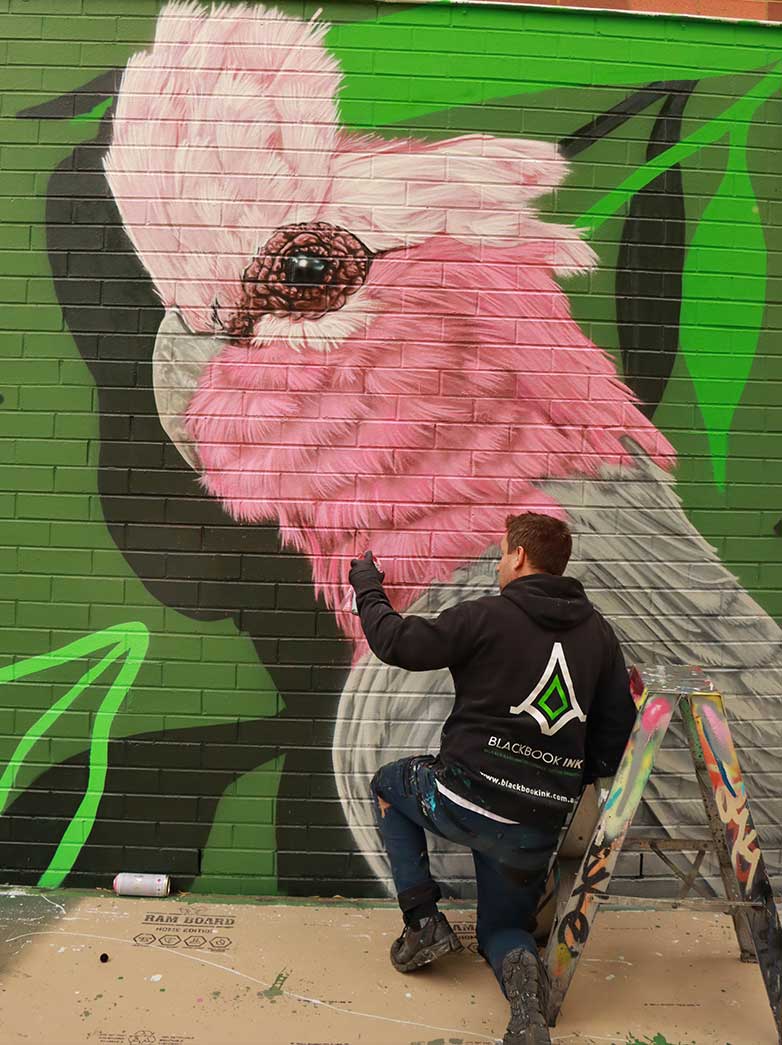
To book an artist for a mural, you need to find someone whose style and experience align with your vision. Here’s how:
Once you’ve identified a few artists, it’s time to book an artist for a mural by initiating contact. Here’s what to include in your initial inquiry:
Many artists will provide a consultation to discuss your ideas in detail and offer their creative input.
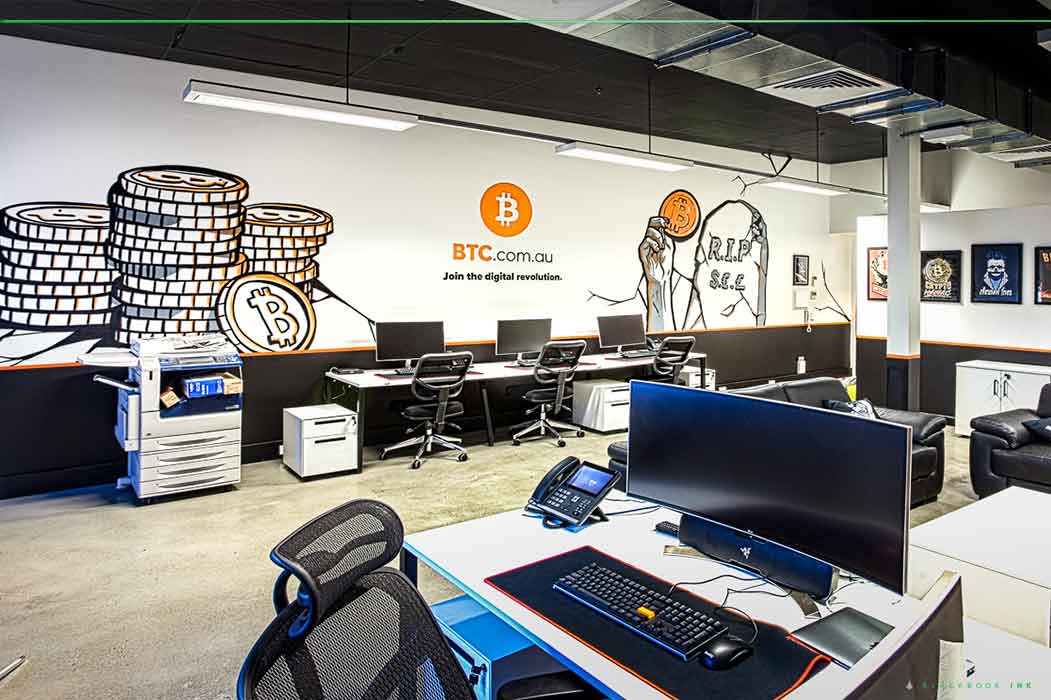
After discussing your project, the artist will likely provide a proposal or quote. This should include:
Take your time to review the proposal and ensure it aligns with your vision and budget. Don’t hesitate to ask questions or request adjustments.
Once you’re satisfied with the proposal, it’s time to book an artist for a mural officially. This involves:
Before the artist begins, ensure the wall or surface is ready:
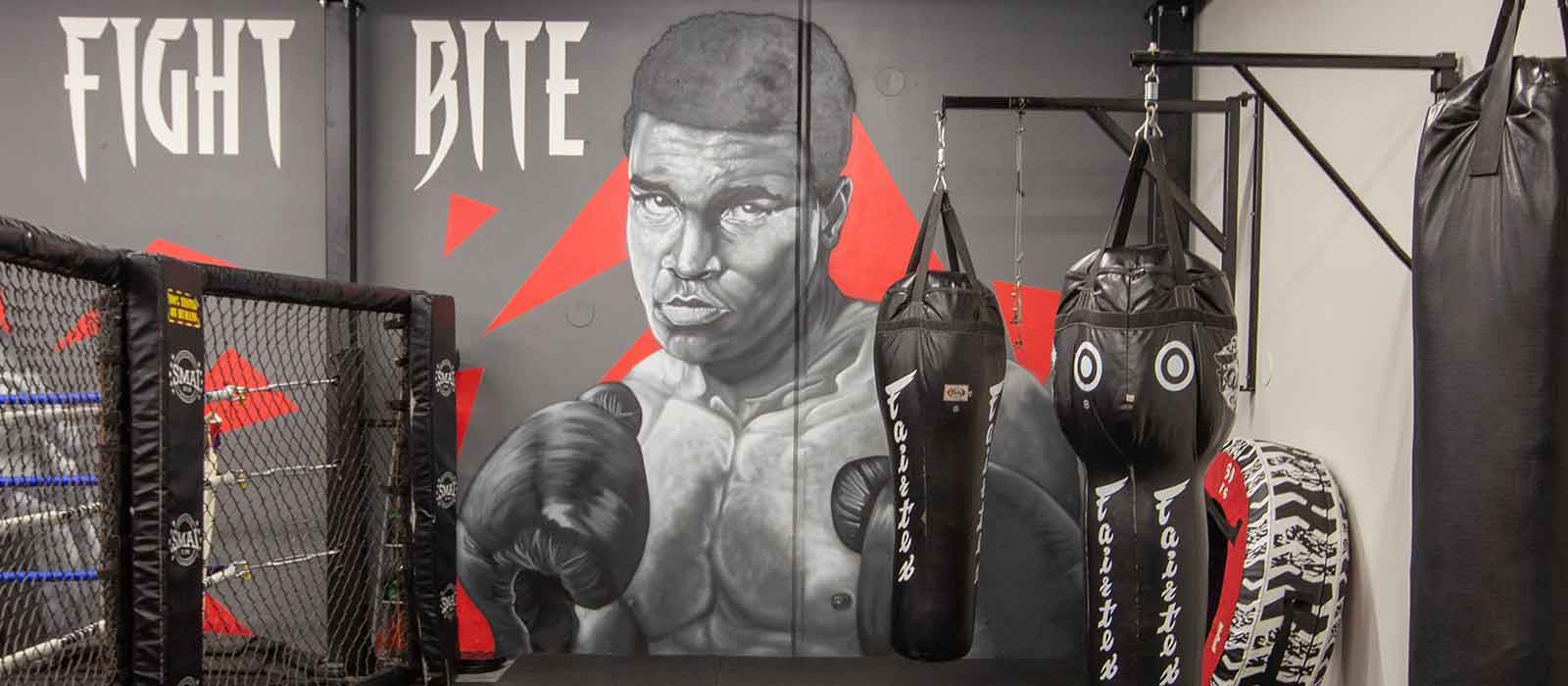
While the artist works on the mural, maintain open communication:
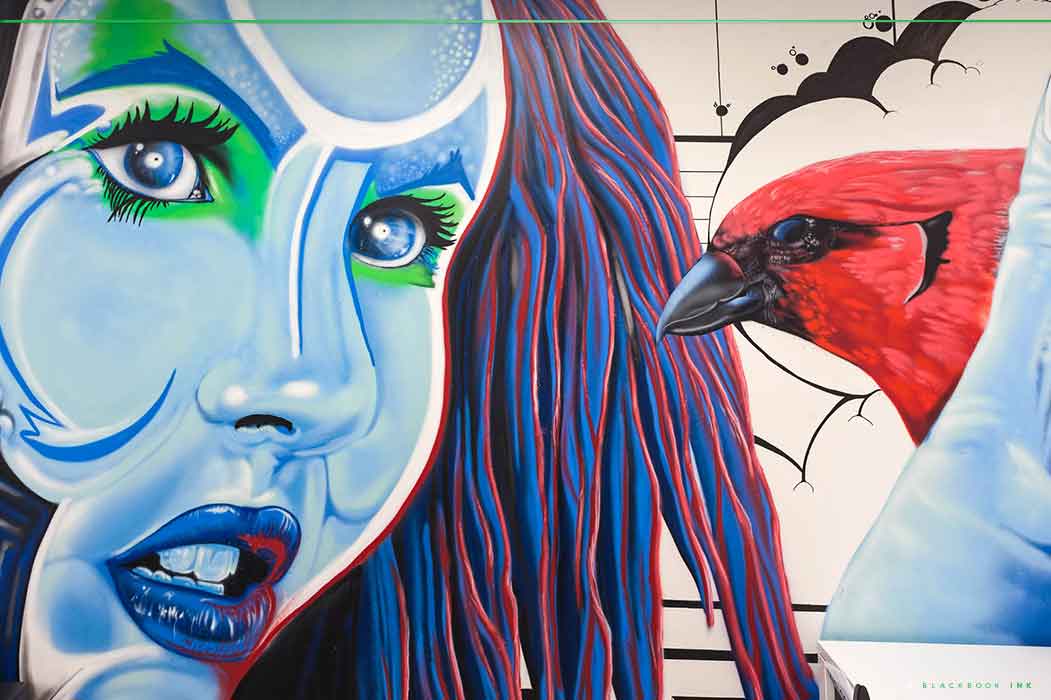
Once the mural is complete, take the time to appreciate the artist’s hard work:
Booking a professional artist for a mural offers numerous benefits:
Learning how to book an artist for a mural is a rewarding process that requires careful planning and collaboration. By defining your vision, researching artists, and communicating effectively, you can bring your mural project to life. Whether it’s for personal enjoyment, business branding, or community enrichment, a well-executed mural is an investment in creativity and culture.
Ready to book an artist for a mural? Start your search today and turn your walls into works of art!
In today’s competitive business landscape, standing out is more important than ever. Companies are constantly seeking innovative ways to capture attention, create memorable experiences, and build a strong brand identity. One increasingly popular and impactful way to achieve this is through custom murals. These large-scale, hand-painted or digitally printed artworks are more than just decorative elements—they are powerful tools for storytelling, branding, and customer engagement. Here’s why investing in custom murals for your business is a smart move:
First impressions matter, and a custom mural can instantly transform your business space into a visually stunning environment. Whether it’s on the exterior of your building, in your lobby, or as a centerpiece in your store, a mural grabs attention and sets the tone for what customers can expect from your brand. A well-designed mural can convey creativity, professionalism, and a commitment to quality, all before a customer even walks through the door.
Custom murals offer a unique opportunity to visually communicate your brand’s story, values, and personality. Unlike generic decor, a mural can be tailored to reflect your company’s mission, culture, or even your local community. For example, a coffee shop might feature a mural of coffee beans and local landmarks, while a tech company could incorporate futuristic designs and digital elements. This level of customization helps reinforce your brand identity and makes your business more memorable.
In the age of social media, creating an Instagram-worthy space is a surefire way to boost your business’s visibility. Custom murals are inherently photogenic and often become local landmarks or viral sensations. Customers love to take photos in front of eye-catching murals and share them online, effectively giving your business free advertising. This organic reach can attract new customers and build buzz around your brand.
A well-designed workspace isn’t just for customers—it’s for your employees too. Custom murals can transform a dull office or retail space into an inspiring and motivating environment. Studies have shown that aesthetically pleasing workspaces can improve employee morale, creativity, and productivity. By investing in a mural, you’re not just decorating your space; you’re investing in your team’s well-being and performance.
In crowded markets, differentiation is key. A custom mural can set your business apart from competitors by creating a unique and memorable experience. Whether it’s a bold, abstract design or a detailed narrative piece, a mural can make your business the talk of the town. It shows that you’re willing to go the extra mile to create something special for your customers.
Commissioning a custom mural often involves collaborating with local artists, which can strengthen your ties to the community. By supporting local talent, you demonstrate a commitment to cultural enrichment and community engagement. This can enhance your business’s reputation and foster goodwill among customers and residents.
A visually striking mural can act as a magnet, drawing people into your business. Whether it’s curious passersby or social media followers eager to see the mural in person, increased foot traffic often translates into higher sales. Additionally, murals can create a welcoming atmosphere that encourages customers to stay longer, explore more, and return in the future.
Unlike temporary advertising or decor, custom murals are a long-term investment. High-quality murals can last for years with minimal maintenance, making them a cost-effective way to enhance your space. Over time, the mural becomes a recognizable part of your brand, contributing to its legacy and value.
Custom murals are incredibly versatile and can be adapted to suit a wide range of industries. From retail stores and restaurants to offices, gyms, schools, and healthcare facilities, murals can enhance any space. They can be used to create themed environments, highlight products or services, or simply add a touch of artistry to an otherwise ordinary setting.
Finally, investing in a custom mural sends a powerful message about your business: that you value creativity, innovation, and the power of art. In a world where consumers are increasingly drawn to brands with a strong sense of purpose and authenticity, a mural can help you connect with your audience on a deeper level.
Custom murals are more than just decorations—they are strategic investments that can elevate your brand, attract customers, and create a lasting impact. By transforming your space into a work of art, you’re not only enhancing its aesthetic appeal but also building a stronger connection with your audience. Whether you’re a small business owner or the head of a large corporation, a custom mural is a creative and effective way to make your mark.
So, why wait? Start envisioning the perfect mural for your business today and watch as it brings your brand to life in ways you never imagined. Let us Turn Your Vision into a Reality.
Contact Us to see what we can do for you.
If you’re looking to enhance the visual appeal of your space, whether it’s a school, business, or community facility, murals offer an impactful way to achieve this. But when it comes to murals, you have two main options: hand-painted murals or vinyl murals.
Each option has its own advantages and disadvantages, but if you’re looking for longevity, creative flexibility, and durability, painted murals are the superior choice. Below, we explore the key differences, advantages, and disadvantages of each approach to help you make an informed decision.
A painted mural is a hand-crafted artwork created directly on the wall using high-quality paints. These murals are typically created by skilled artists who tailor the design to the space, allowing for complete customization. Painted murals can be created on indoor or outdoor walls and are often sealed to withstand weather and vandalism.
Vinyl murals are printed graphics applied to walls using adhesive backing. The design is created digitally, printed onto vinyl material, and then attached to the wall. While they can offer a faster and cheaper solution, vinyl murals are limited in durability and design flexibility.
1. Long-Lasting Durability
When done properly, painted murals last for many years, even in outdoor environments. Weather-resistant paints and protective sealants ensure that the mural stays vibrant and intact for the long term. This makes painted murals a cost-effective investment as they require minimal maintenance over time.
2. Graffiti Resistance
Painted murals can be coated with anti-graffiti sealants, making it easy to clean off unwanted tags or scribbles without damaging the artwork. This feature is especially useful for schools, public spaces, and high-traffic areas.
3. Seamless Integration with Architecture
Unlike vinyl, painted murals blend perfectly with the architectural features of a wall. Vents, pipes, and uneven surfaces are no obstacle for a skilled muralist, who can incorporate these elements into the design. This leads to a more immersive and polished final look.
4. Works on Any Wall Condition
Unlike vinyl murals, which require a smooth, clean surface, painted murals can be created on virtually any wall. Even rough-textured or weathered walls can be transformed into a smooth, cohesive canvas for a mural.
5. Custom, Bespoke Art
Every painted mural is a one-of-a-kind artwork designed specifically for the space it occupies. This allows for full creative freedom to develop concepts that reflect school values, brand identity, or the character of a space. Vinyl murals, on the other hand, are limited by the constraints of digital design and printing.
1. Higher Upfront Cost
Painted murals require the expertise of a skilled artist, which means they may have a higher initial cost than vinyl murals. However, the superior longevity and minimal maintenance costs make painted murals more cost-effective in the long term.
2. Longer Installation Time
Hand-painted murals take time to complete as they require surface preparation, sketching, painting, and sealing. This contrasts with vinyl murals, which can be printed and installed quickly. However, if longevity is a priority, the extra time investment is worth it.
1. Quick Turnaround Time
Once the design is ready, vinyl murals can be printed and applied quickly. This makes them suitable for projects with tight deadlines or events that require temporary graphics.
2. Cost-Effective (Initially)
Vinyl murals are cheaper upfront compared to painted murals. This is due to the lower cost of materials and the ability to mass-produce them using printers.
3. Removable Without Permanent Damage
Vinyl murals can be removed without causing permanent damage to the wall, making them ideal for rented spaces or temporary displays. However, removal can sometimes leave behind adhesive residue (more on that later).
1. Easily Damaged
Vinyl murals are fragile and prone to damage from curious hands, scuffs, and scratches. In areas with high foot traffic or in environments with children, vinyl murals often get peeled, scratched, or torn.
2. Vulnerable to Moisture
Moisture is one of vinyl’s biggest weaknesses. If the wall is prone to dampness or condensation, the adhesive backing can loosen, causing bubbles, warping, or complete detachment of the mural. This makes them unsuitable for areas like bathrooms, kitchens, or outdoor spaces.
3. Can Damage Wall Paint
If left on a wall for too long, vinyl murals can bond with the paint. When removed, they often pull chunks of paint with them, resulting in unsightly patches that require wall repair.
4. Susceptible to Fading & Discoloration
Prolonged exposure to sunlight can cause vinyl murals to fade or yellow. The colours are also more prone to distortion under extreme heat, unlike UV-resistant painted murals that are designed to maintain colour vibrancy over time.
5. Leaves Sticky Residue
Vinyl murals often leave behind adhesive residue after removal. This residue can be challenging to clean and may require solvents or wall repainting to fully remove.
6. Prone to Shrinking, Bubbling & Peeling
When exposed to sunlight or fluctuating temperatures, vinyl can shrink, bubble, or peel away from the wall. This not only affects its appearance but may require costly re-application or repair.
7. Visible Texture & Surface Imperfections
Since vinyl sticks directly to the wall, any texture, bump, or crack beneath it will be visible. This can make the mural look uneven or unprofessional. Painted murals, on the other hand, create a smooth finish, as the paint becomes one with the surface.
8. Hard to Remove After Long-Term Use
The longer a vinyl mural stays on a wall, the harder it is to remove. Over time, the adhesive bonds more strongly to the wall, making it difficult to peel off without tearing the vinyl into small pieces. This process can be time-consuming and labour-intensive.
If you need a mural that lasts, looks vibrant, and integrates seamlessly with your space, the answer is clear: painted murals are the better choice.
Choose a Painted Mural If:
Choose a Vinyl Mural If:
At Blackbook Ink, we believe in creating murals that stand the test of time. Our hand-painted murals are crafted with weather-resistant paints, high-impact designs, and anti-graffiti coatings that make them durable and easy to maintain. Whether it’s a school, community centre, or commercial space, we design every mural with the environment, audience, and message in mind.
Unlike vinyl murals, our painted murals offer:
Longevity: Our murals last for years — indoors and outdoors.
Bespoke Design: Every mural is tailored to your vision.
Seamless Integration: Our murals work with your space, not against it.
Eco-Friendly Options: We use low-VOC, environmentally friendly paints.
Durability: Our murals resist damage from UV rays, weather, and graffiti.
Ready to Transform Your Wall?
If you’re looking to create an artwork that tells a story, reflects your values, and stands the test of time, a hand-painted mural is the way to go. Our team at Blackbook Ink is ready to bring your vision to life with customized, site-specific designs.
Don’t settle for something temporary. Choose something timeless. Choose a painted mural by Blackbook Ink.
Graffiti art has revolutionized urban landscapes, transforming blank walls into captivating visual narratives. This vibrant and expressive art form blends creativity, skill, and social commentary, turning cities into living galleries that engage and inspire communities. From abstract motifs to photorealistic portraits, graffiti murals continue to push artistic boundaries.
In this article, we delve into 5 stunning wall graffiti art ideas for eye-catching murals. Covering themes like nature, pop art, cultural heritage, and futuristic designs, these concepts showcase the versatility of graffiti as a powerful medium for storytelling and artistic innovation. Whether you’re an aspiring artist or a fan of urban art, these ideas will ignite your imagination and reveal the transformative potential of graffiti.
Nature-inspired graffiti transforms urban spaces into vibrant, eco-conscious sanctuaries. By weaving natural elements into street art, artists create breath taking works that connect city dwellers to the environment while raising awareness about conservation.
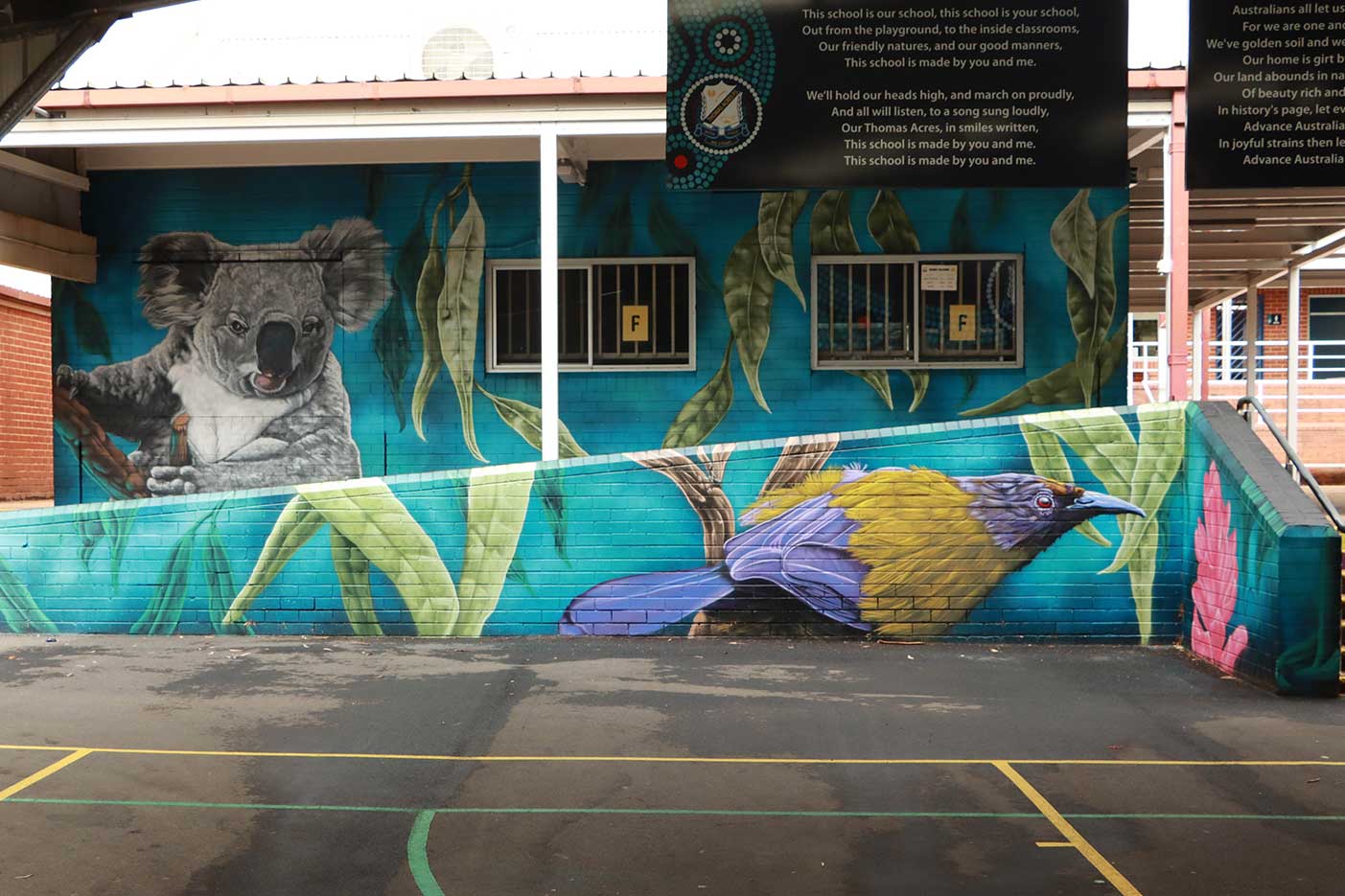
Pop art and comic-style graffiti bring a burst of energy and nostalgia to urban spaces. These bold, colourful murals celebrate pop culture while challenging conventional notions of art.
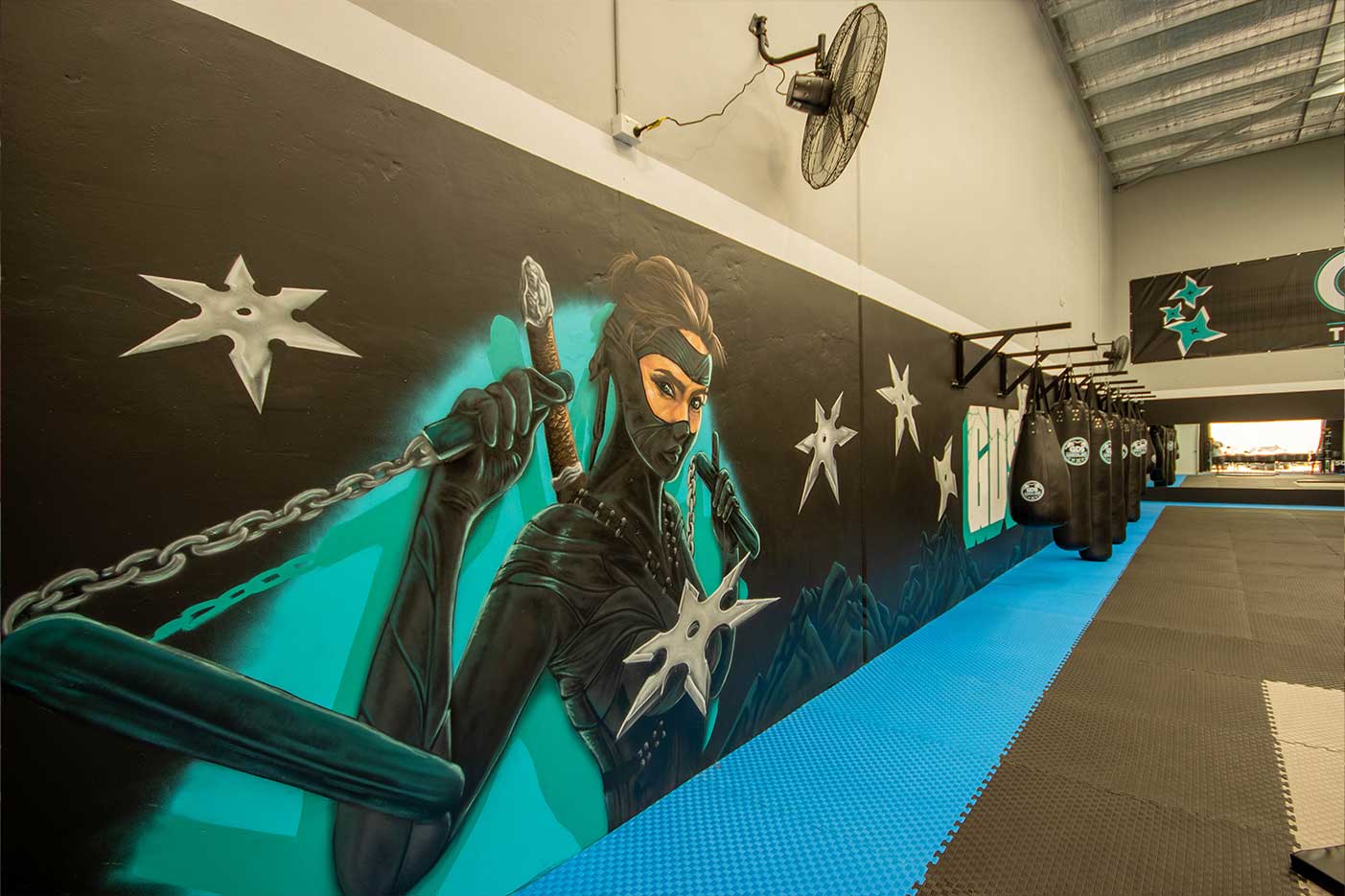
Cultural and historical murals celebrate identity, heritage, and collective memory. By showcasing powerful narratives, they foster connection and pride while educating audiences.
Futuristic graffiti immerses viewers in speculative worlds, blending technology and imagination to explore themes of progress, innovation, and possibility.
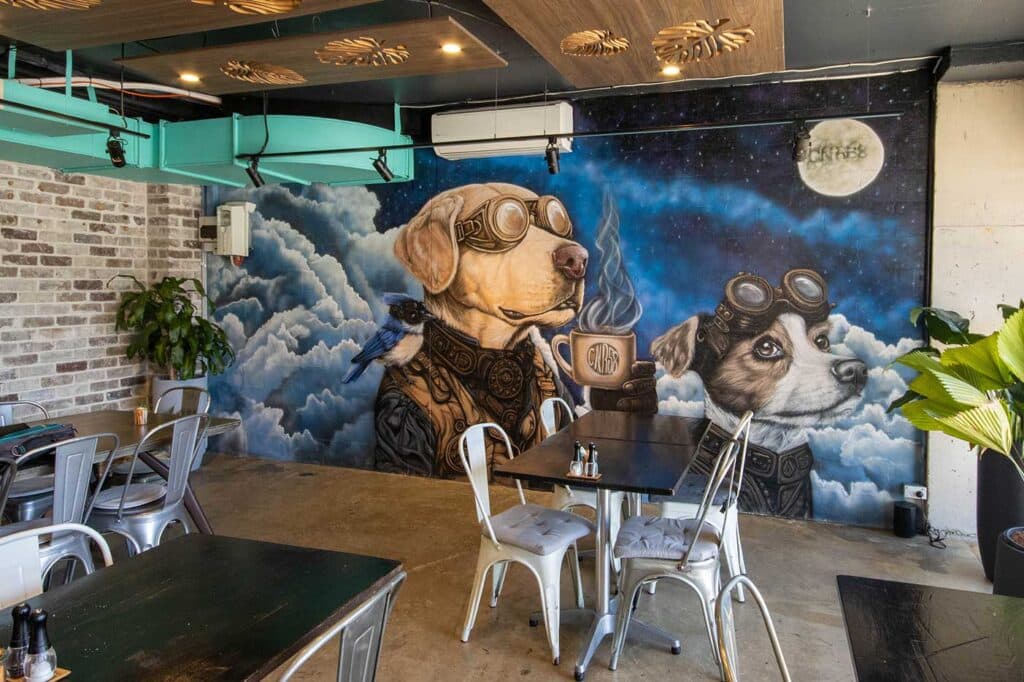
Community murals celebrate the spirit of collaboration, involving local artists, residents, and organizations in the creative process. These projects strengthen connections while reflecting shared values and stories.
Interactive Design Elements
Incorporating spaces for community contributions—such as handprints, names, or drawings—makes the mural a living, evolving piece of art.
Celebrating Local Heroes
Murals that feature portraits of community leaders, educators, or historical figures foster pride and unity.
Highlighting Local Landmarks
Incorporating imagery of beloved landmarks or natural features connects the mural to its surroundings, making it uniquely relevant to its location.
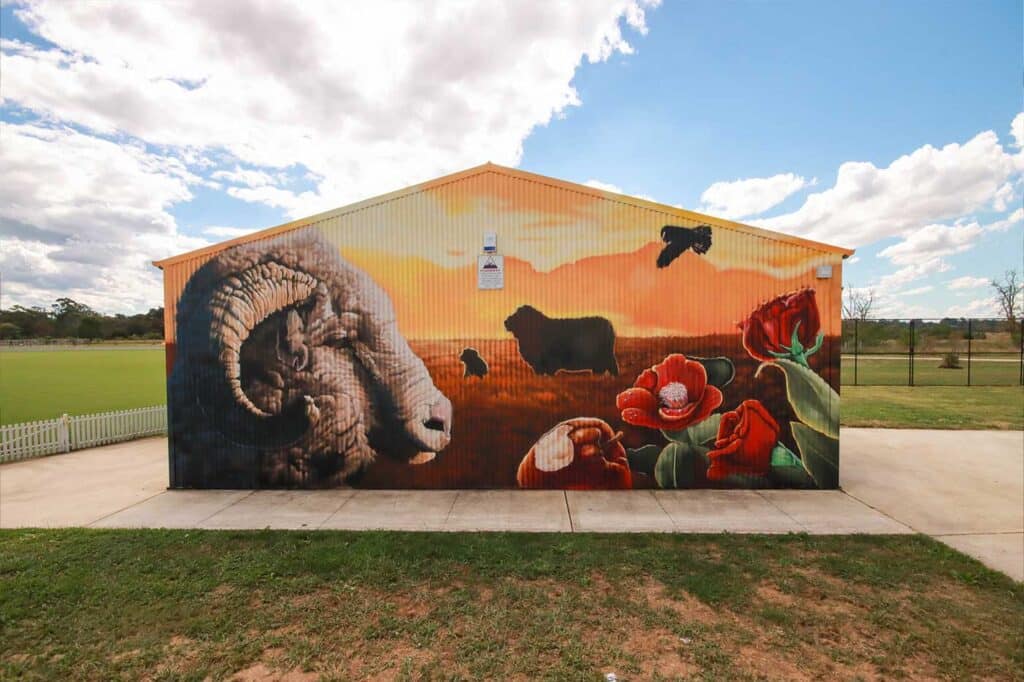
Graffiti art continues to redefine public spaces, turning walls into dynamic canvases that captivate, educate, and inspire. From nature-themed murals to futuristic sci-fi visions, these 15 graffiti art ideas demonstrate the boundless potential of street art. Each design reflects the artist’s creativity while inviting viewers to see their environment in new and meaningful ways.
As this art form gains recognition worldwide, it transforms cities into cultural hubs, sparking dialogue and fostering community pride. Whether you’re an artist looking for inspiration or simply an admirer of urban art, these concepts showcase the power of graffiti to elevate and energize our shared spaces.
If you’re looking to create an artwork that tells a story, reflects your values, and stands the test of time, a hand-painted mural is the way to go. Our team at Blackbook Ink is ready to bring your vision to life with customized, site-specific designs.
Still looking for more graffiti mural ideas or mural art ideas for your next project? Our graffiti art artists work across every style — from a bold graffiti wall mural or graffiti art wall piece to detailed graffiti portraits, a moody graffiti landscape, and spray paint mural ideas for tighter spaces. For larger sites we create full street art wall murals, and every graffiti art on walls project starts with a concept sketch tailored to your space.
Don’t settle for something temporary. Choose something timeless. Choose a painted mural by Blackbook Ink.
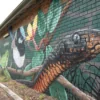


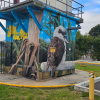
We acknowledge the Traditional Owners of country throughout this nation and recognise their continuing connection to land, waters and community.
We pay our respect to them and their cultures; and to Elders past, present and emerging.