Commissioning a mural is one of the fastest ways to turn a blank wall into something people actually stop and look at — but if you’ve never gone through the process before, it can feel like a black box. How do you find the right artist? What needs to go in a brief? How long does it actually take, and what should it cost?
This guide walks through how to commission a mural in Sydney from first idea to final coat, whether you’re a homeowner freshening up a courtyard, a business branding a shopfront, or a council greenlighting public art for a community space.
What Type of Mural Are You Commissioning?
The right approach changes depending on who the mural is for and where it’s going. Before you get to budget or brief, it helps to know which category your project falls into:
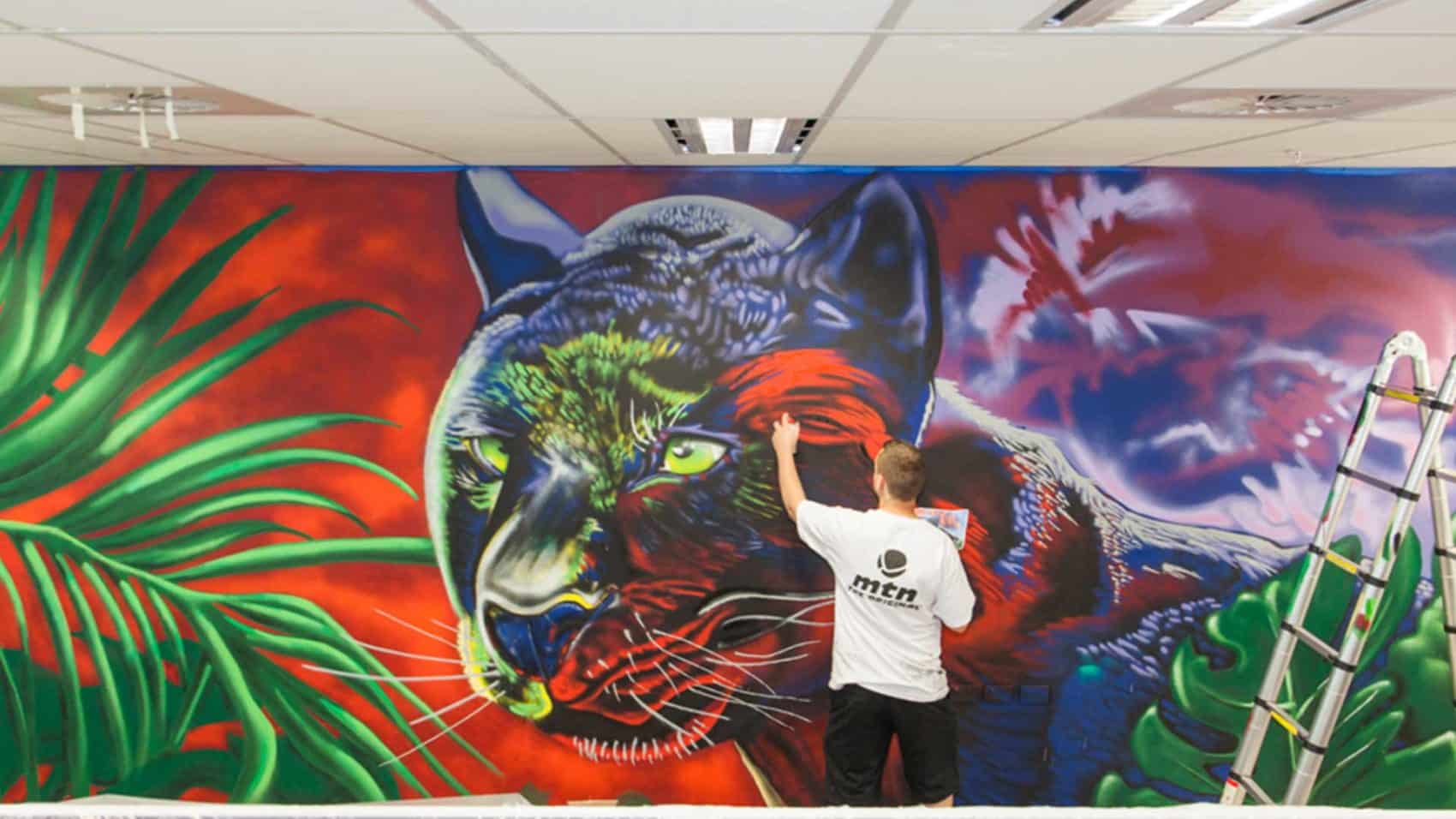
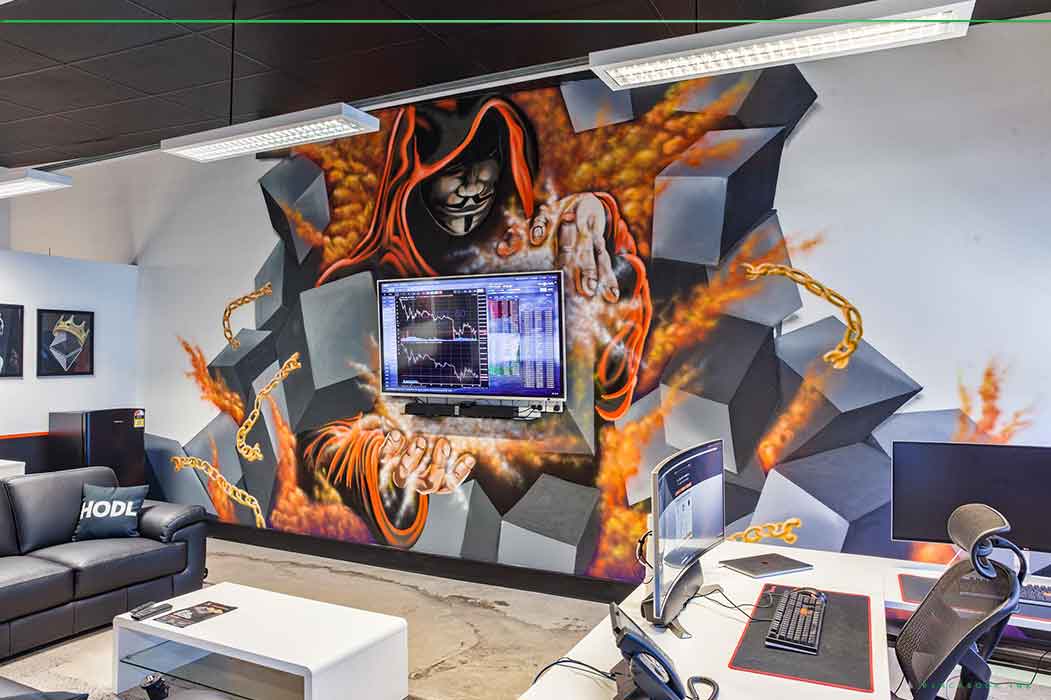
- Offices and corporate spaces — branding walls, reception features and workplace culture pieces. See our corporate murals work.
- Shopfronts, cafes, gyms and other businesses — murals designed to draw foot traffic and get photographed. Covered under commercial murals.
- Public spaces, councils and community groups — larger, stakeholder-driven projects that usually involve a consultation step. See community murals & public art.
- Homes — feature walls, kids’ rooms, courtyards and pool areas. See residential murals.
Every one of these sits under our broader mural services, but the brief, approvals process and timeline for each look quite different — which is what the rest of this guide covers.
Step 1: Set a Realistic Budget
Mural pricing in Sydney is driven mostly by wall size, access difficulty (ground level versus scaffolding or an EWP) and level of design detail — not by a flat per-square-metre rate. As a rough guide, based on typical project scope:
| Project type | Typical cost |
| Small feature wall or interior piece | $1,500 – $3,000 |
| Medium commercial mural (20–50m²) | $3,000 – $8,000 |
| Large-scale exterior or public artwork | $10,000 – $30,000+ |
A properly scoped quote should be itemised — covering design, paint and materials, access equipment hire, and any optional protective coating — rather than handed over as a single lump sum. Most reputable studios, ours included, can turn around a detailed itemised quote within 24 hours of a site visit or photo-based assessment, so there’s rarely a reason to commit before you’ve seen one.
Step 2: Put Together a Brief
A clear brief is the single biggest factor in how smoothly it goes when you commission a mural in Sydney. Before you contact an artist, try to have the following ready:
- Clear photos of the wall, plus rough dimensions
- What the space is used for and who sees it day to day
- Style references — other murals you like, a Pinterest board, brand colours or existing decor
- Anything that’s off-limits — content, colours or imagery to avoid
- Your budget range, even a rough one
- Your ideal timeframe, and any fixed deadline — an opening, an event, a school term
- Who needs to sign off on the final design before painting starts
The tighter the brief, the fewer revision rounds you’ll need later, and the more accurate the first quote will be.
Step 3: Choose the Right Mural Artist
Not every artist who paints murals is set up to handle a commercial or public commission smoothly. Before you commit, it’s worth asking:
- Have they completed projects like yours before — corporate, residential, or public art — rather than just murals in general?
- Do they carry public liability insurance, and can they provide certificates on request?
- Will you see a scaled digital mockup of the design before any paint goes on the wall?
- What’s included in the quote — site prep, access equipment, paint and protective coating — and what counts as an extra?
- Is there a warranty on the finished mural, and what does it actually cover?
- Can they show recent references or reviews from clients with a similar project?
A studio that can’t answer these clearly before you’ve paid a deposit is worth being cautious about, whatever the quote looks like.
Step 4: Check What Approvals You Need
Not every mural needs council sign-off, but some do, and it’s worth checking before you fall in love with a design. As a general rule: interior murals on private property rarely need approval; exterior murals visible from the street, murals on heritage-listed buildings, and anything in a strata building usually do. Councils vary quite a bit in how mural-friendly they are, so it’s worth a quick call to your local council’s planning department, checking the NSW Planning Portal, or asking your mural artist whether they’ve worked with that council before — an experienced studio will usually know the answer immediately. This step is easy to skip when you’re keen to commission a mural in Sydney, but it’s far cheaper to check first than to repaint later.
What Actually Happens Once You’ve Chosen an Artist
Once you’ve picked a studio, the process to commission a mural in Sydney typically runs through five stages:
- Discovery & site assessment — an onsite visit, or photo-based assessment for simpler jobs, to look at the wall and discuss goals, style and budget in person.
- Concept design & digital mockup — a scaled preview showing exactly how the finished mural will look on your actual wall, before anyone picks up a spray can.
- Revisions — one or two rounds of feedback to lock in the final design everyone’s happy with.
- Installation — on-site painting, with the surrounding space protected and any access equipment organised in advance.
- Protective coating (optional) — a UV and anti-graffiti coating, recommended for murals in high-traffic or exposed outdoor locations.
Timeframes vary a lot by scope. A small feature wall can often be finished within a few days once the design is signed off. Larger commercial or public artworks — especially anything involving scaffolding, multiple stakeholders or council approval — can take several weeks from first consultation to final coat.
Questions to Ask Before You Sign Off
- Am I approving a final, scaled mockup — not just a rough sketch?
- What happens if I want changes after painting has already started?
- Who owns the design, and who has the right to photograph or use images of the finished mural?
- What’s the expected lifespan of the mural, and does it need any maintenance?
- Is there a written agreement covering the scope, price and timeline?
Frequently Asked Questions
How much does it cost to commission a mural in Sydney?
If you’re budgeting to commission a mural in Sydney, most projects fall between roughly $1,500 for a small interior feature wall and $30,000+ for a large-scale exterior or public artwork. The biggest cost drivers are wall size, access difficulty and design complexity, not a flat per-square-metre rate.
How long does commissioning a mural take?
From first enquiry to final coat, a small residential mural can often be finished within a week or two. Larger commercial or public art projects, particularly those needing council approval, typically take several weeks to a few months.
Do I need council approval to commission a mural?
It depends on the property. Interior murals rarely need approval, but exterior murals visible from the street, heritage-listed buildings and strata properties often do. Check with your local council, or ask your mural artist whether they’ve worked with that council before.
Who owns the mural once it’s painted?
This should be spelled out in your agreement before work starts. Generally the client owns the physical artwork on their wall, while the artist retains certain rights over the design itself — it’s worth confirming this in writing rather than assuming.
Can a mural be removed or painted over later?
Yes — a mural can be painted over like any other wall finish if a space is renovated or a lease ends, though it’s worth factoring this into a rental or strata agreement from the outset.
Ready to Commission a Mural?
Blackbook Ink has completed 670+ murals across Australia since 2011, working across corporate, commercial, community and public art, and residential projects. If you’re ready to commission a mural in Sydney, get in touch for a free consultation and an itemised quote within 24 hours.