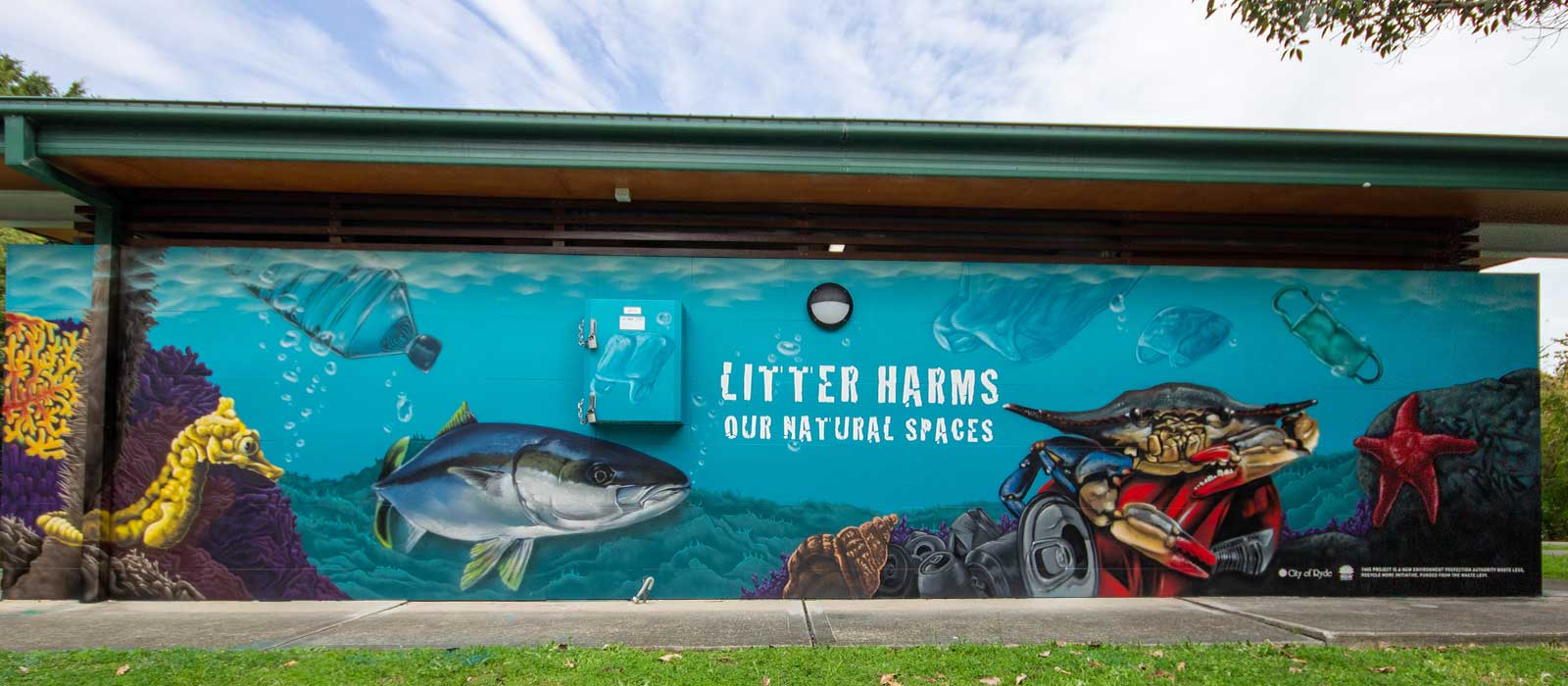
Every council in Australia runs some version of the same program: a wall gets tagged, a crew is dispatched, the wall is cleaned, and within weeks sometimes days the tag is back. The removal budget resets each July, and each July it gets spent on the same walls.
That cycle isn’t a failure of effort. Rapid removal is a legitimate and necessary tool. But on a growing list of sites, councils have recognised that removal alone doesn’t change the underlying equation and they’re commissioning murals instead. Here’s why that shift is happening, what the numbers look like, and how to identify the walls where a mural pays for itself fastest.
The real cost of the clean-tag-clean cycle
Graffiti vandalism costs Australian councils and asset owners hundreds of millions of dollars every year in removal, repainting, coatings and staff time. But the headline figure understates the real problem, because graffiti spend isn’t distributed evenly across a local government area. It concentrates.
Most councils find that a small number of chronic-target walls highly visible, easily accessed, frequently blank absorb a disproportionate share of the removal budget. These are the surfaces being cleaned three, four, five times a year. Each clean restores the wall to exactly the state that attracted tagging in the first place: a blank, visible canvas.
Removal treats the symptom and simultaneously resets the incentive. That’s why the same walls appear in the works schedule year after year.
Why blank walls keep getting hit
To understand why murals work, it helps to understand why tagging happens where it does. Taggers are drawn to blank, visible surfaces where their work will be seen and will stand out. Visibility is the currency. A freshly cleaned wall on a main road, a rail corridor or a laneway entrance is the highest-value real estate available.
Anti-graffiti coatings make removal faster and cheaper, but they don’t reduce the wall’s attractiveness as a target they just lower the cost of each round of the cycle. CCTV and lighting help at some sites but are expensive to deploy at scale and simply displace activity to the next blank wall.
The only intervention that changes the wall itself that removes the canvas rather than restoring it is covering the surface with artwork.
How commissioned murals interrupt the cycle
Commissioned murals interrupt the removal cycle in three ways.
1. They remove the canvas
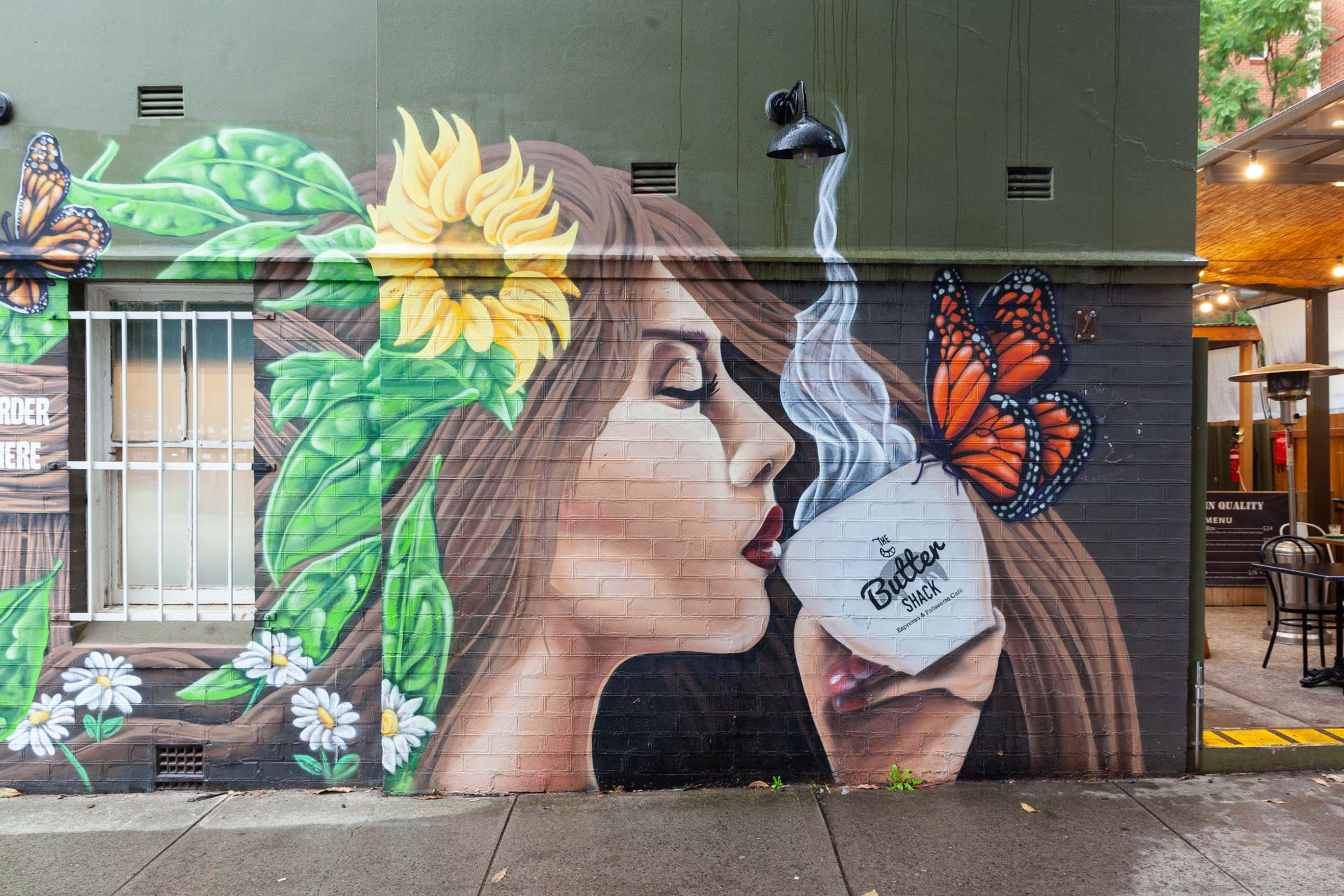
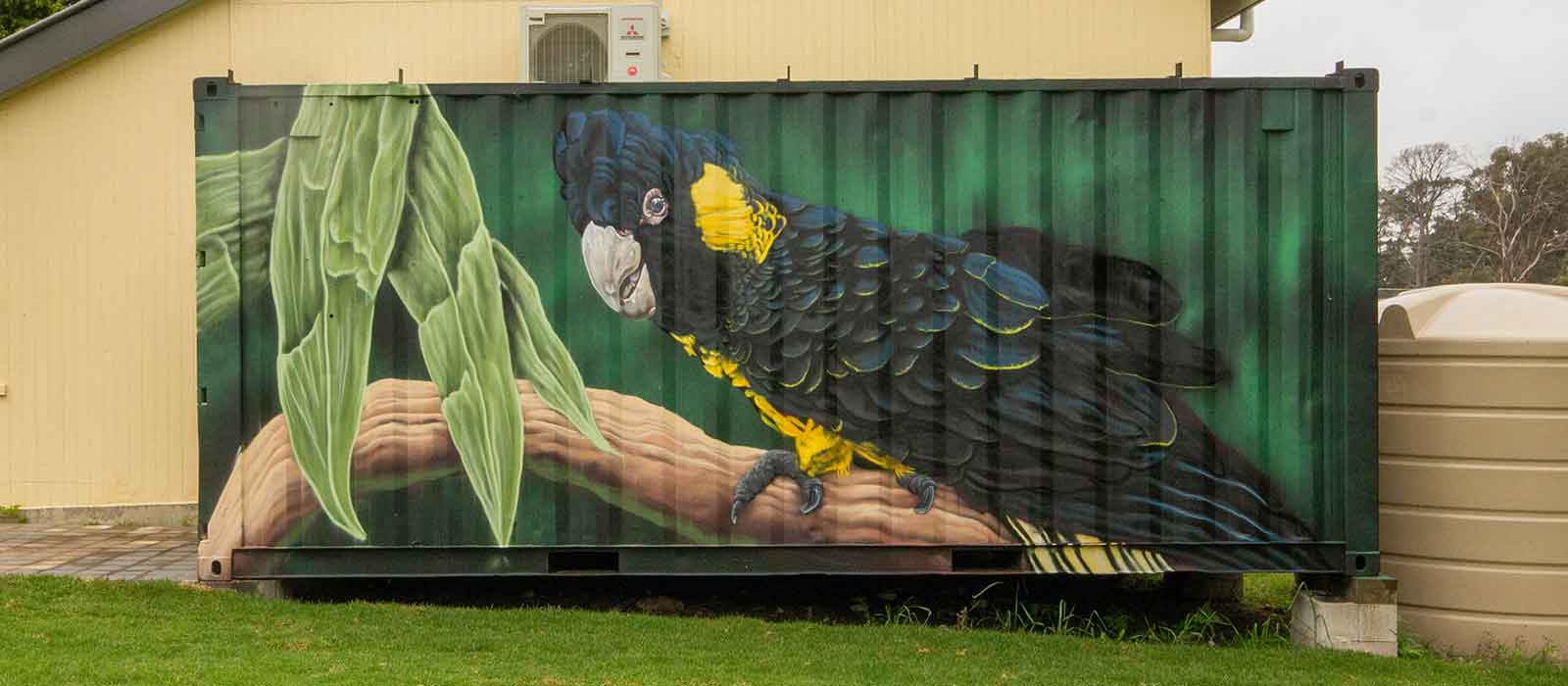
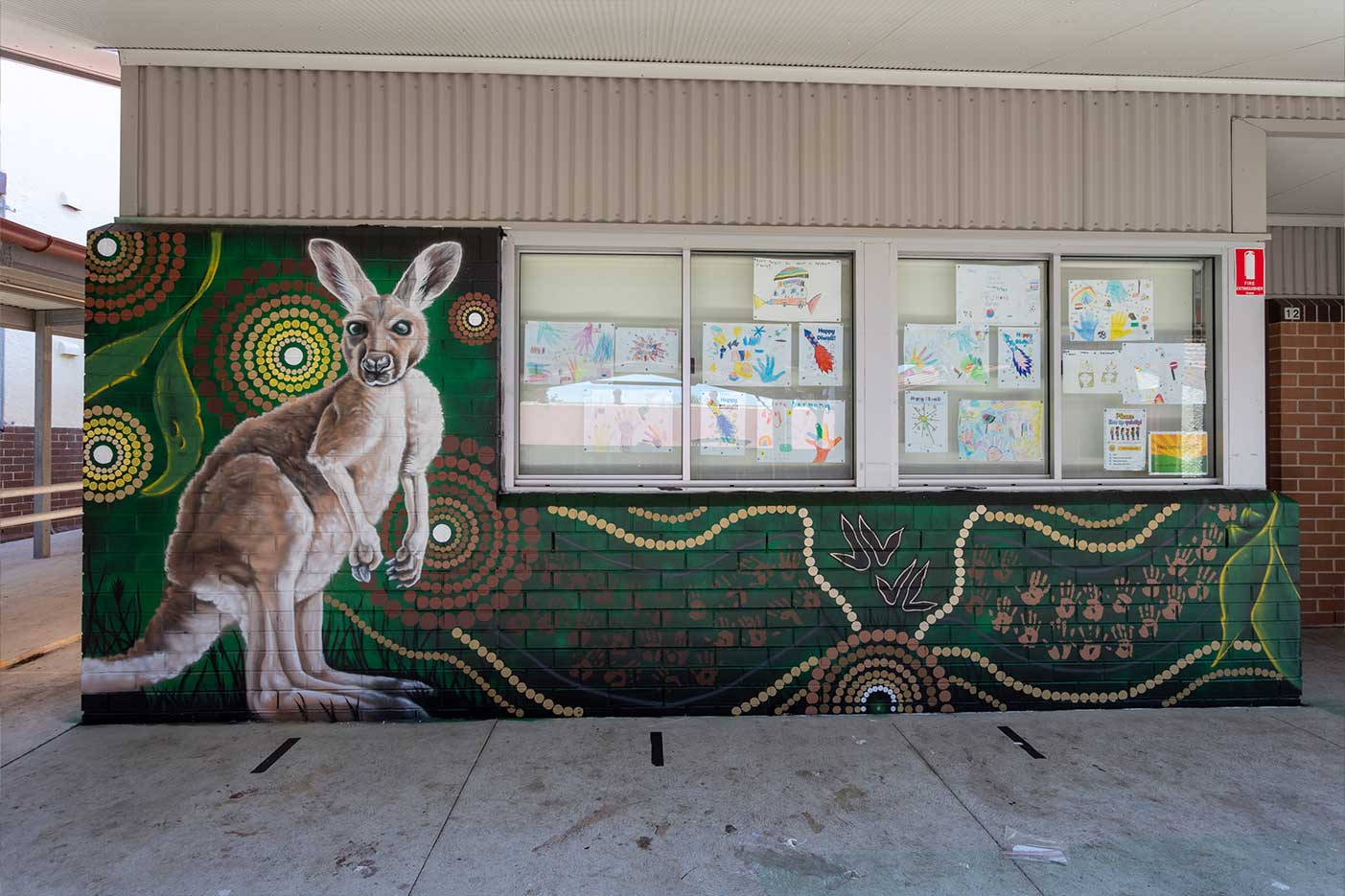
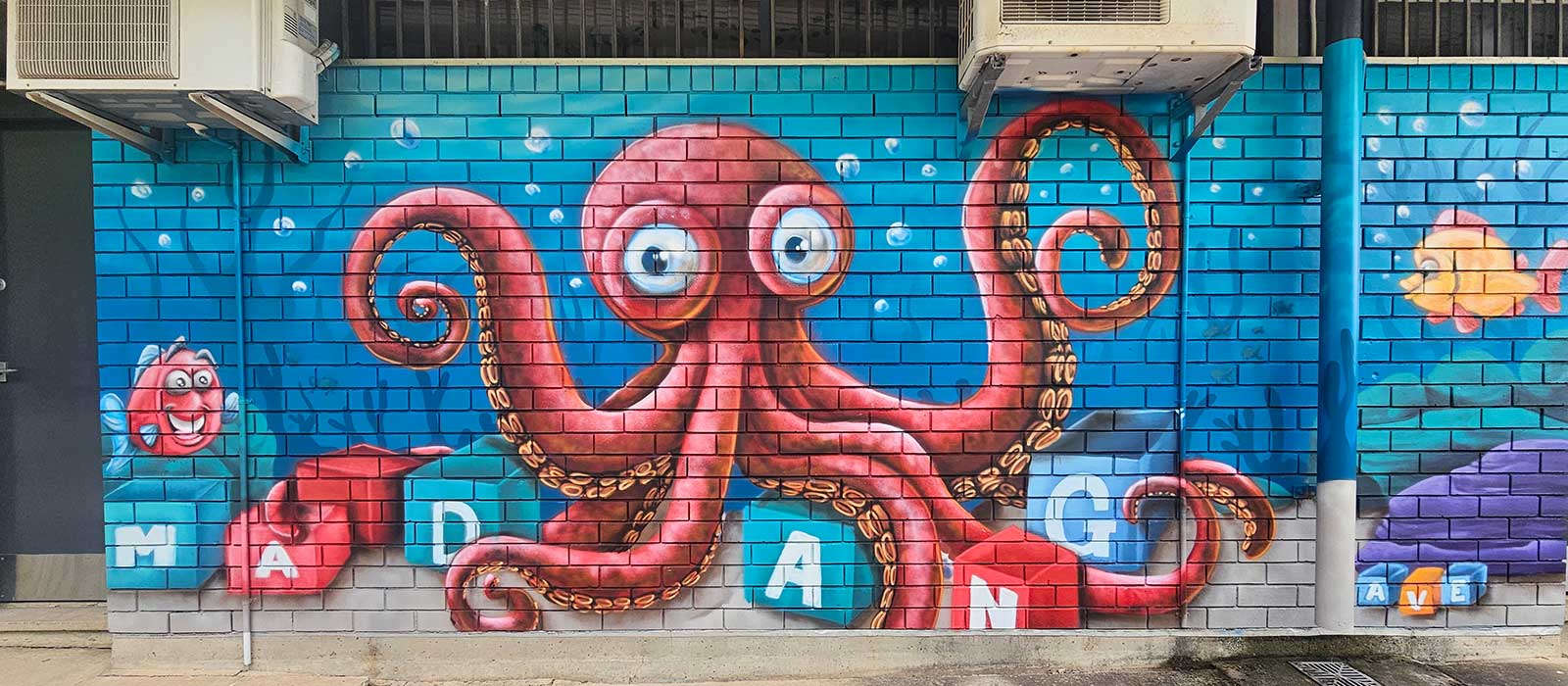
A wall covered in a professional, full-coverage mural offers no canvas. There’s nowhere for a tag to stand out, and tagging over finished artwork produces a far less visible result than tagging a clean wall. The visibility payoff that motivates tagging simply isn’t available anymore.
2. They carry weight within street culture
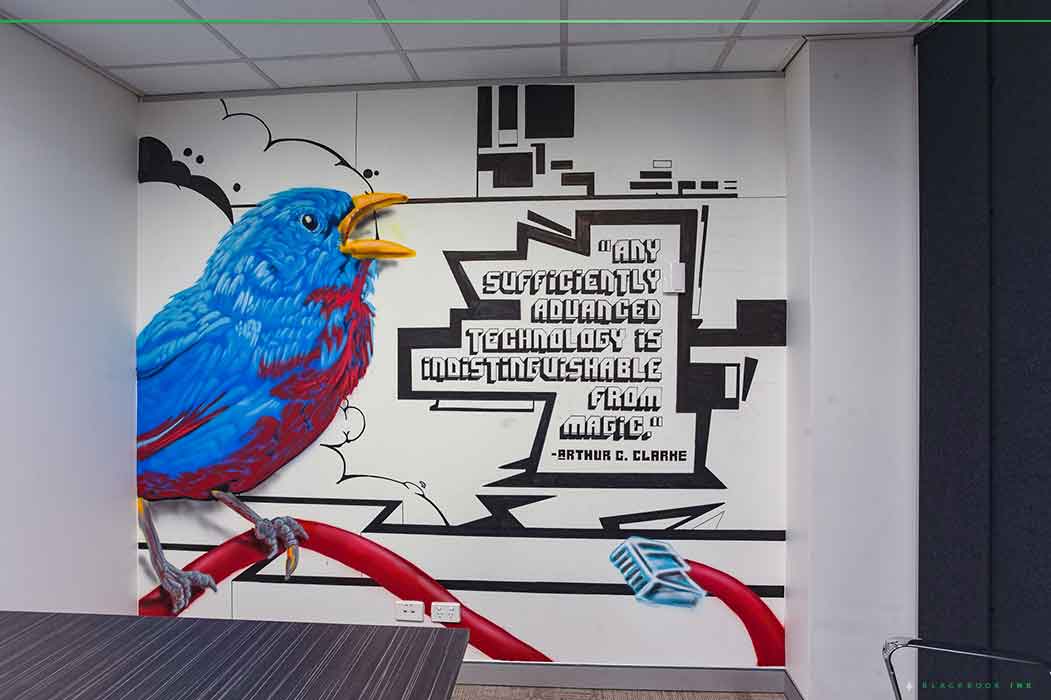
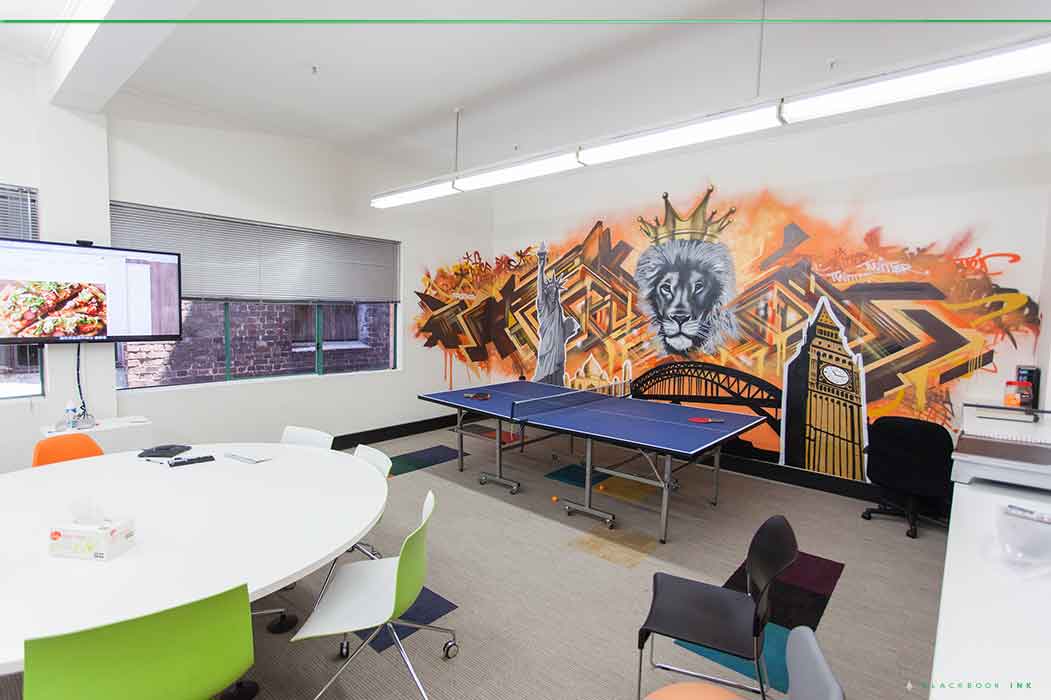
This is the part most graffiti management guides miss, and it’s where Blackbook Ink’s background matters. Our artists come from the Australian graffiti community, with over 25 years in the culture. Within that culture, there is a longstanding convention against going over another artist’s finished piece particularly work by respected, established artists. A mural painted by artists with genuine standing in the scene is protected by an unwritten rule that no coating or camera can replicate.
A mural commissioned from a design agency with no roots in the culture doesn’t carry the same protection. Provenance matters.
3. They convert the community into stakeholders
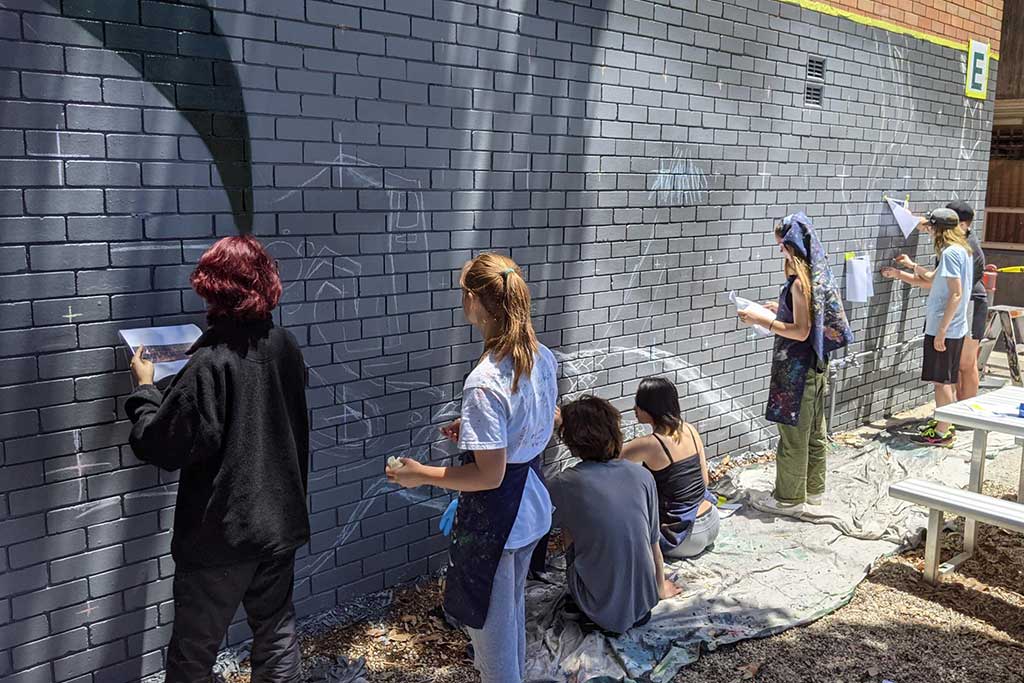
When a mural project includes local input — school workshops, community design sessions, resident consultation the finished artwork belongs to the neighbourhood in a way a blank wall never can. People who helped shape a wall look after it. In youth-heavy areas, engagement built into the commissioning process can convert potential taggers into stakeholders who have a hand in the artwork and a reason to defend it.
What the results look like in practice
Two projects from our own portfolio show the effect over time.
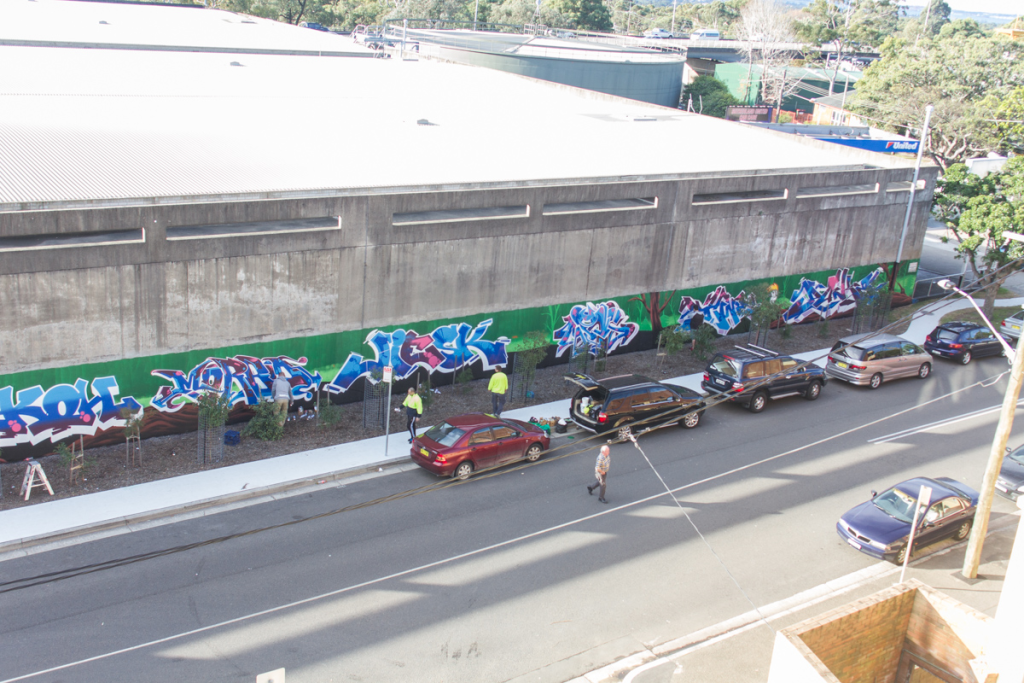
Sydney Water, Sutherland. We delivered a mural spanning more than 100 metres of Sydney Water infrastructure in Sutherland a chronic graffiti target before the project. In the decade since completion, the wall has remained effectively graffiti-free. The cost of that outcome was a single commission; the counterfactual was ten years of repeat removal on one of the area’s most-hit surfaces. Read the full Sydney Water – Sutherland case study.
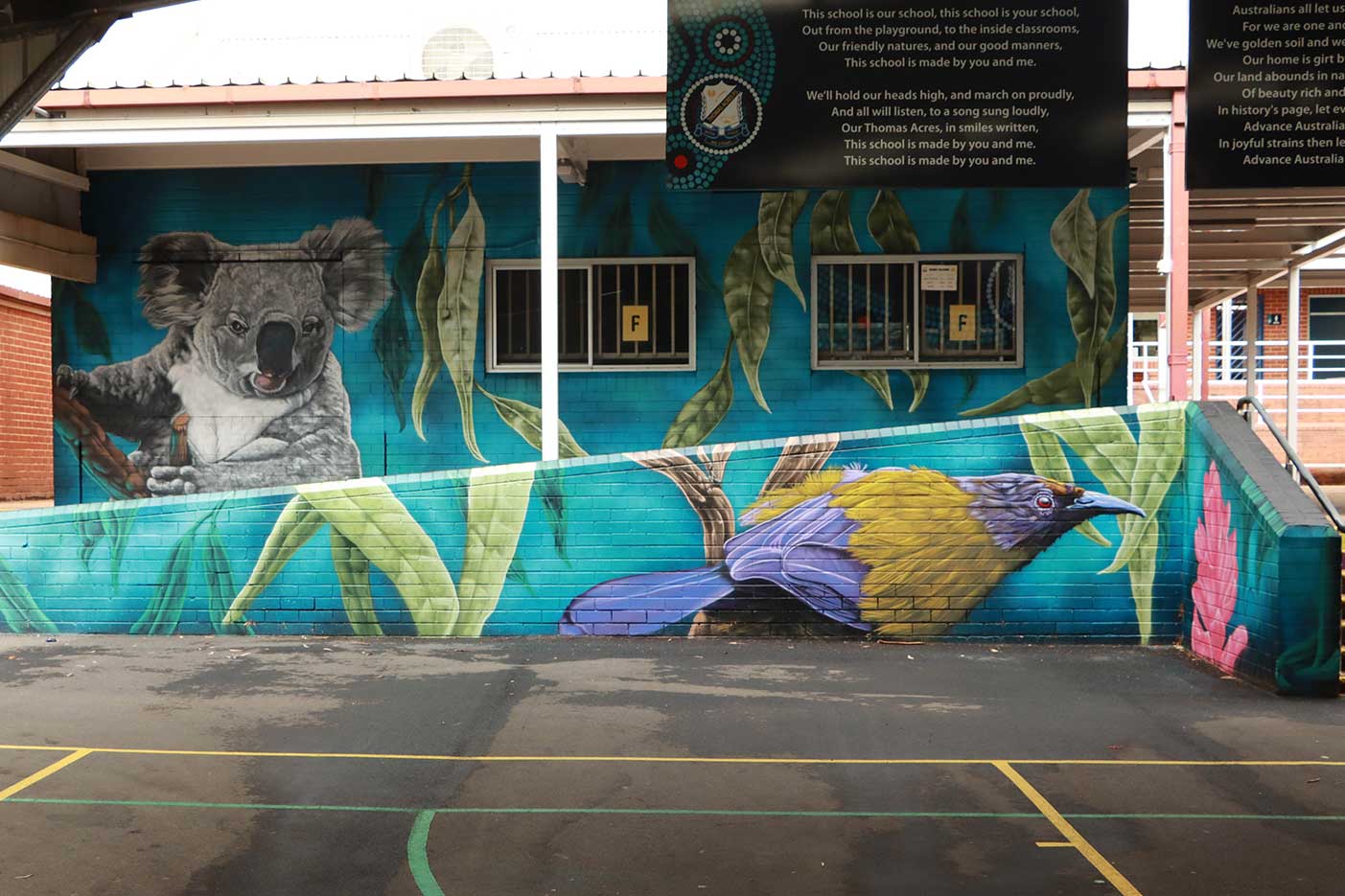
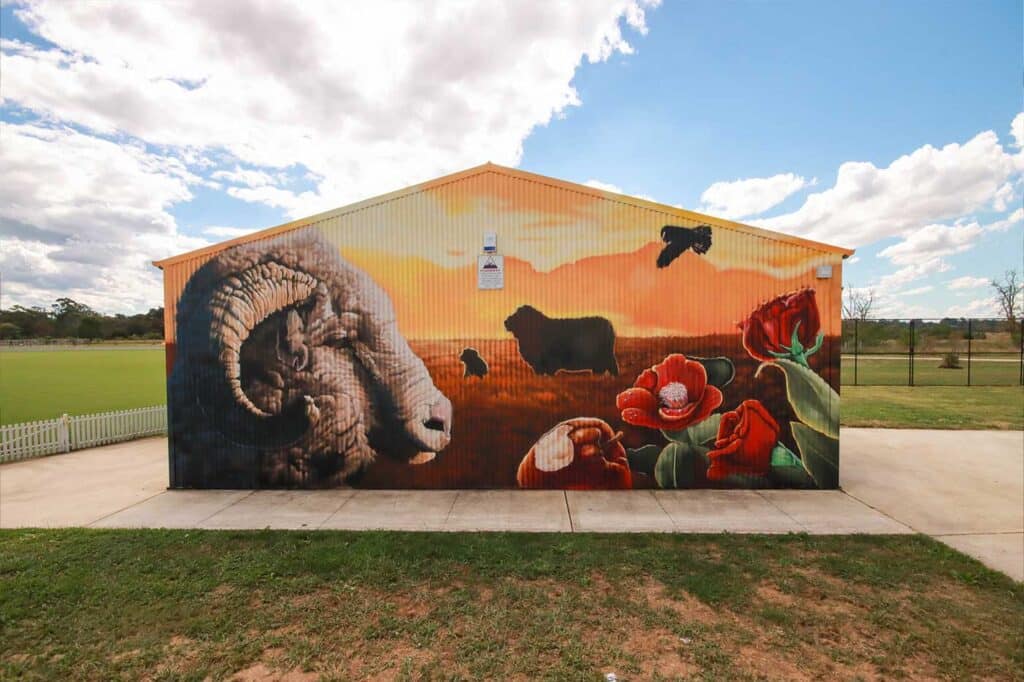
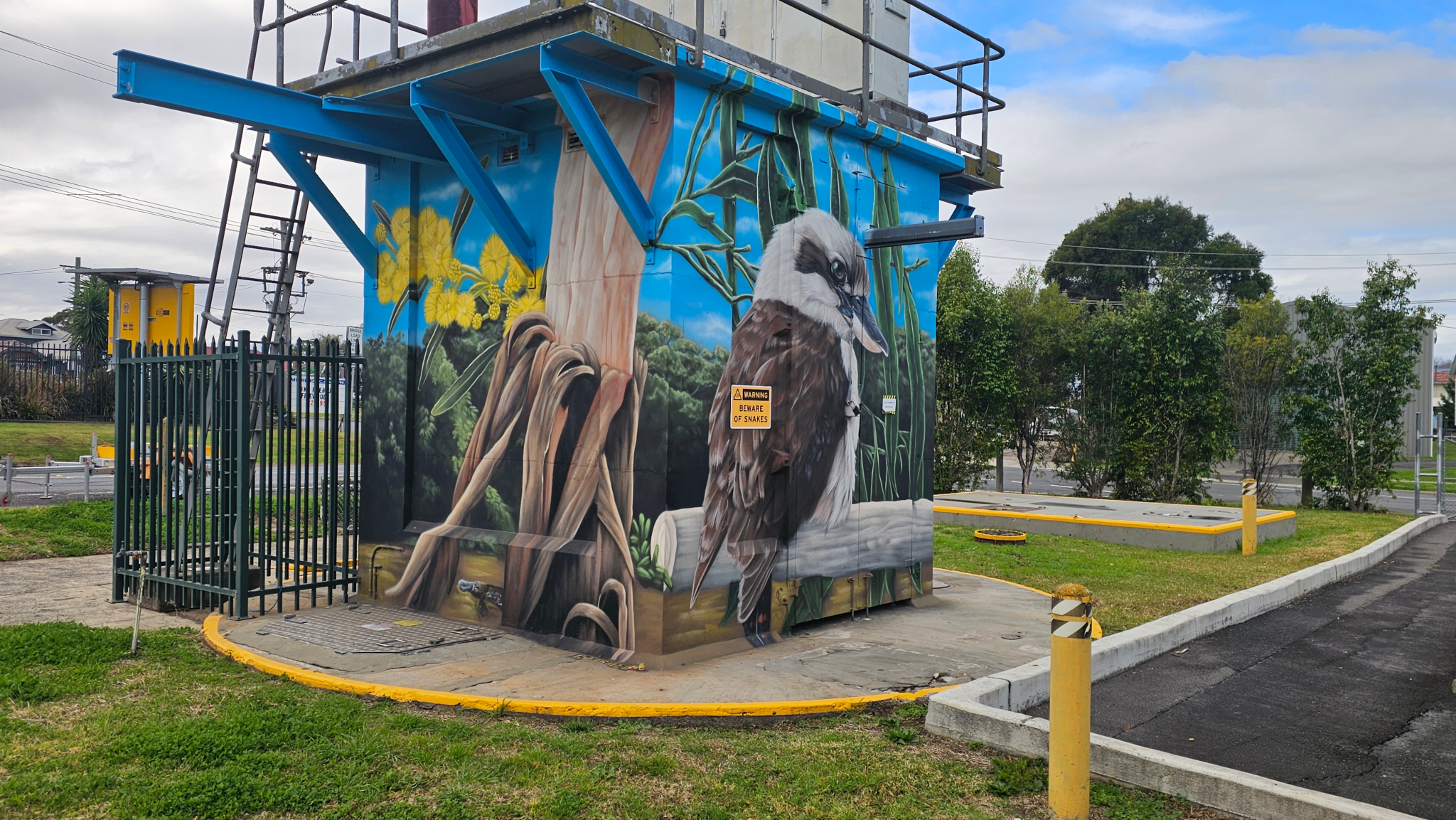
Camden Pump Station. Delivered in partnership with Camden Council and Sydney Water, this project built community engagement directly into the process, including a design workshop with local students whose ideas informed the final artwork. The result is a landmark rather than a target and a template for how councils and utilities can co-fund public art on shared infrastructure. Read the full Camden Pump Station case study.
The cost comparison councils actually run
The business case is straightforward once graffiti spend is tracked per site rather than per program.
Take a wall being cleaned four times a year. Between call-out, labour, materials and traffic or access management, each clean on a large or awkward surface can run into the thousands. Over five years, that’s twenty removal events a recurring cost with no endpoint and no residual value.
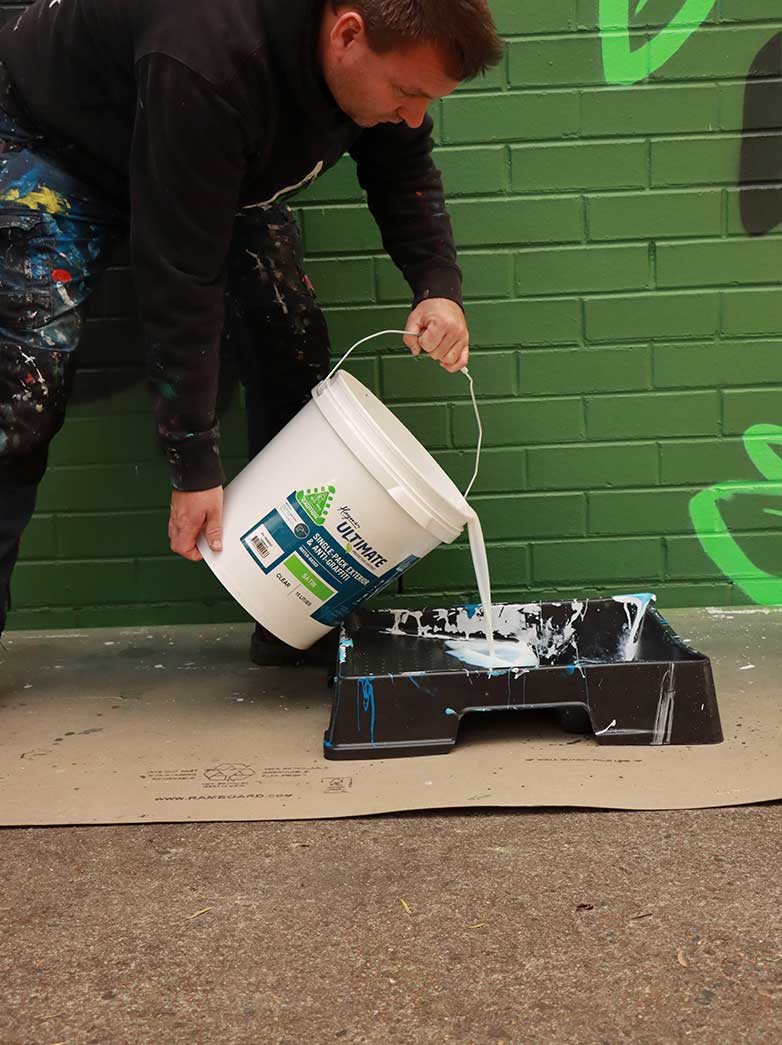
A commissioned mural on the same wall is a one-off capital cost, typically comparable to just a few years of that site’s removal spend. Sealed with an anti-graffiti coating, the artwork is protected for the long term, and in the rare event it is tagged, the coating allows the tag to be removed without damaging the mural. Instead of an open-ended cleaning liability, the council holds a public asset one that residents photograph, media cover, and placemaking strategies can point to. For current pricing bands by wall size, see our mural costs guide.
A layered strategy, not a replacement
The councils managing graffiti most cost-effectively aren’t choosing between removal and murals they’re layering tools by site:
Rapid removal for isolated tags on low-risk surfaces, and same-day removal of offensive material anywhere.
Anti-graffiti coatings on high-value plain surfaces that need to stay plain heritage facades, signage zones, freshly rendered walls.
Commissioned murals on chronic-target walls the surfaces being cleaned three, four, five times a year. These are the sites where removal spend is highest and where a mural delivers the fastest payback.
Community engagement built into mural projects in youth-heavy areas, converting potential taggers into stakeholders through workshops and design input.
The audit question is simple: which walls has the council cleaned more than twice in the past year? That list is the mural shortlist.

Funding doesn’t have to come from the removal budget
Mural projects don’t always need to come from the graffiti removal budget. Many are funded through public art programs, community grants, placemaking initiatives, and partnerships with asset owners such as Sydney Water. Where a wall sits on utility or state infrastructure, co-funding arrangements can split the cost between the council and the asset owner both parties benefit from ending the removal cycle. Our guide to funding public art in Australia covers the main grant streams and deadlines.
Frequently asked questions
Do murals actually prevent graffiti?
No intervention guarantees zero graffiti, but full-coverage murals by artists respected within the graffiti community have a strong track record of dramatically reducing tagging on chronic-target walls. Our 100m+ Sydney Water mural in Sutherland has remained effectively untouched for a decade.
What happens if a mural does get tagged?
We seal murals with an anti-graffiti coating, so isolated tags can be removed from the artwork without damage. In practice, tags on established murals are rare and far less visible than tags on a clean wall.
How much does a council mural cost compared to ongoing removal?
It depends on wall size, access and design complexity, but a commissioned mural is typically comparable to a few years of removal spend on a chronically targeted site after which the recurring cost largely disappears. We provide itemised quotes within 24 hours.
Can the community be involved in the design?
Yes, and for council projects we recommend it. Workshops, student design sessions and resident consultation build local ownership of the finished artwork a key part of why murals stay untouched. The Camden Pump Station project included a student design workshop that shaped the final artwork.
Which walls should a council prioritise for murals?
Start with the removal records: any wall cleaned more than twice in the past twelve months is a strong candidate. Prioritise by removal spend per site the most expensive walls to keep clean are the ones where a mural pays back fastest.
Turn your most expensive walls into public art
Planning a graffiti management strategy that includes murals? Blackbook Ink works with councils across Australia to turn chronic graffiti targets into protected public artworks. 670+ projects delivered since 2011 for councils, schools and asset owners including Sydney Water and Camden Council. Get a free quote response within 24 hours.