Category

Art News

Managing Graffiti: Why Councils Commission Murals Instead

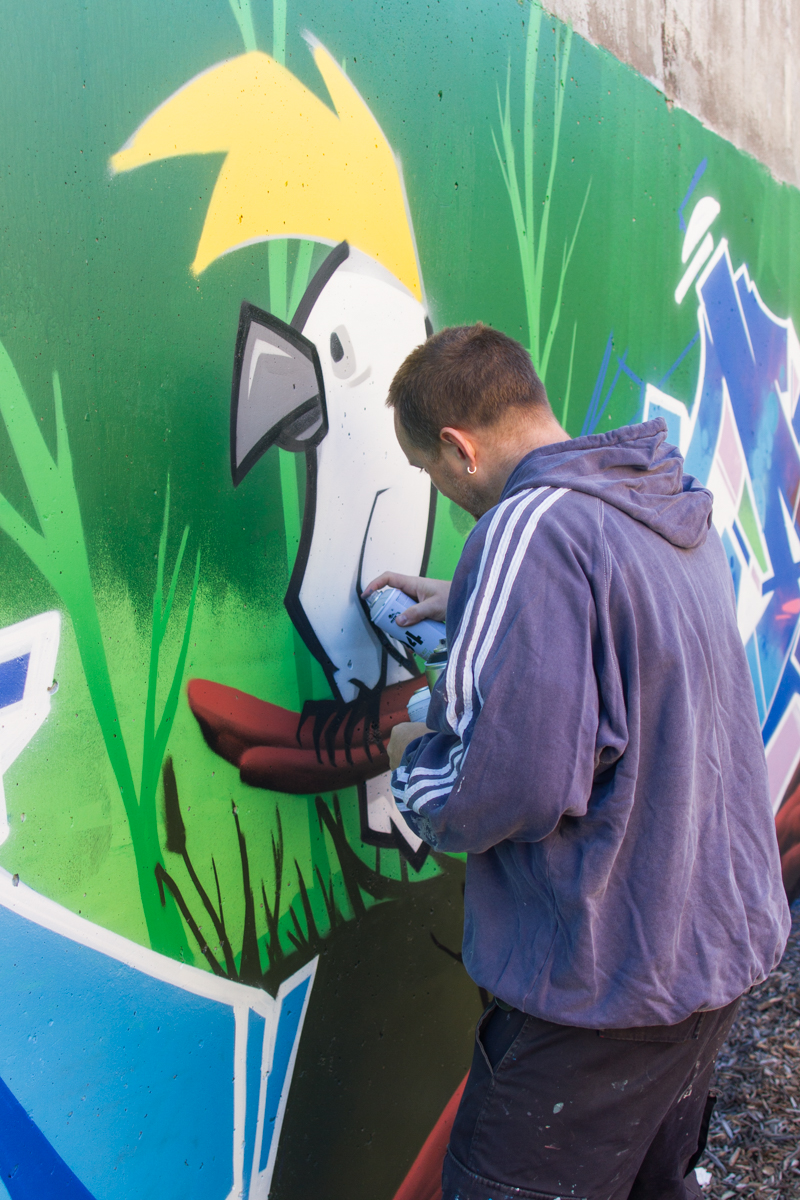
Sydney street artist public art mural

The audit question is simple: which walls has the council cleaned more than twice in the past year? That list is the mural shortlist.  
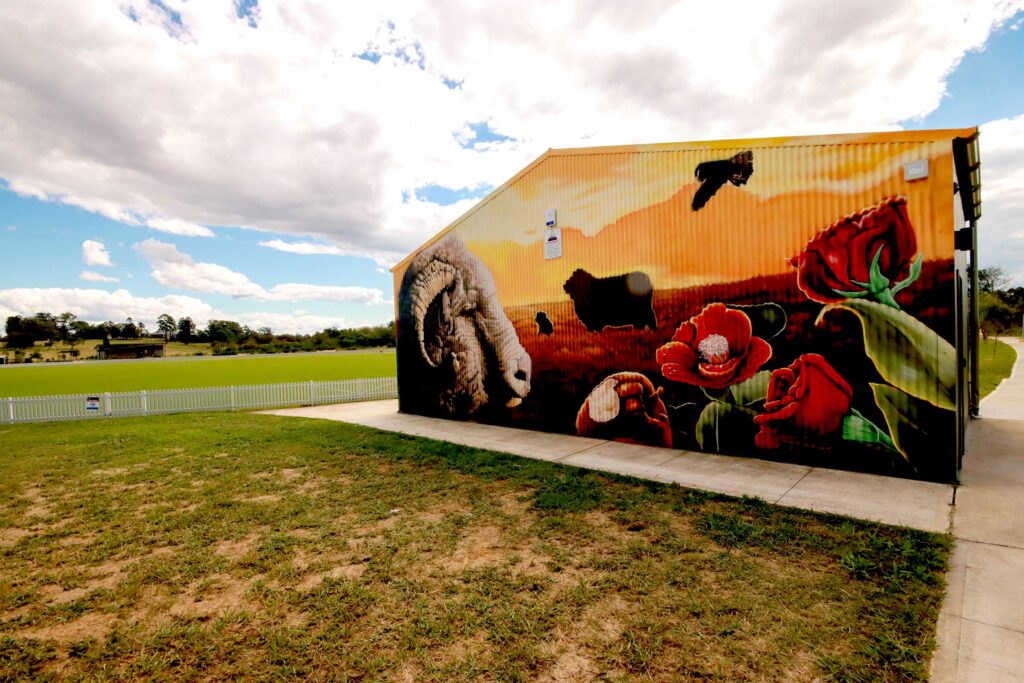
Ferguson Grounds Cricket Mural in Camden, NSW, depicting local cricket history and community spirit

Mural projects don’t always need to come from the graffiti removal budget. Many are funded through public art programs, community grants, placemaking initiatives, and partnerships with asset owners such as Sydney Water. We’ve written two guides to help:

For budgeting purposes, our mural costs and pricing guide covers what drives project pricing, and we provide itemised quotes within 24 hours.

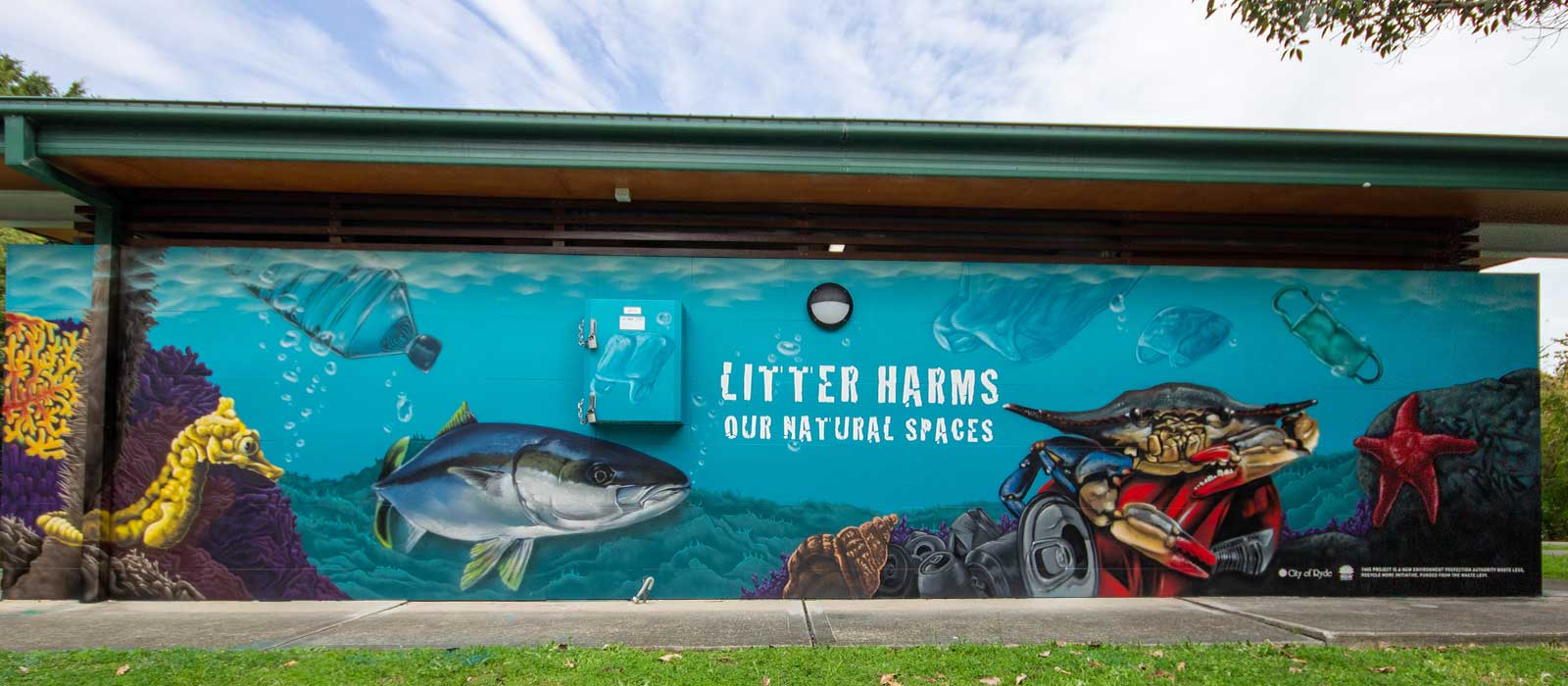
Blackbook Ink has delivered public art and community mural projects for councils and government bodies including Camden Council, City of Ryde, Ku-ring-gai Council, Canterbury-Bankstown, Burwood Council and Sydney Water — with 670+ projects completed since 2011.

Council projects come with the delivery framework government clients need: WHS documentation, insurance, elevated work platform management, community consultation, and anti-graffiti protective coatings — end to end. Learn more about our community murals and public art services.


Frequently Asked Questions

Do murals actually reduce graffiti?

In our experience, yes — when done properly. Full-coverage murals by artists respected within the graffiti community, finished with anti-graffiti coatings, dramatically reduce tagging compared to blank walls. Our 100m+ Sydney Water mural has remained largely graffiti-free for over 10 years. See our detailed post on whether murals reduce graffiti.

Is a mural cheaper than ongoing graffiti removal?

For chronic-target walls, usually — over time. Removal is a recurring cost that never ends; a mural is a one-off investment with minimal maintenance, especially with a protective coating applied. Walls being cleaned multiple times per year typically reach payback fastest.

What happens if someone tags the mural?

With an anti-graffiti coating applied, isolated tags can be removed from the coated surface quickly without damaging the artwork. In practice, quality murals are tagged far less often than blank walls due to conventions of respect within graffiti culture.

Can the community be involved in the mural design?

Yes. We regularly run design workshops with schools, youth groups and community members — as we did with Camden High School students for the Camden Pump Station mural. Community involvement builds local ownership, which itself acts as a deterrent.

What council surfaces can be painted?

Pump stations, substations, amenity blocks, underpasses, retaining walls, sound barriers, community centres, sporting facilities and more — subject to access, surface condition and approvals. We handle site assessment as part of every quote.

How do councils fund mural projects?

Through graffiti management budgets, public art programs, placemaking funds, community grants and asset-owner partnerships. Our public art funding guide covers current options in detail.


Planning a graffiti management strategy that includes murals? Blackbook Ink works with councils across Australia to turn chronic graffiti targets into protected public artworks. Get a free quote — response within 24 hours.

[/vc_column_text][/vc_column][/vc_row]

More recently, our Camden Pump Station mural for Camden Council and Sydney Water applied the same thinking to a flood-exposed infrastructure site — combining site-specific design, student input from Camden High School, and protective coating suited to the environment.  
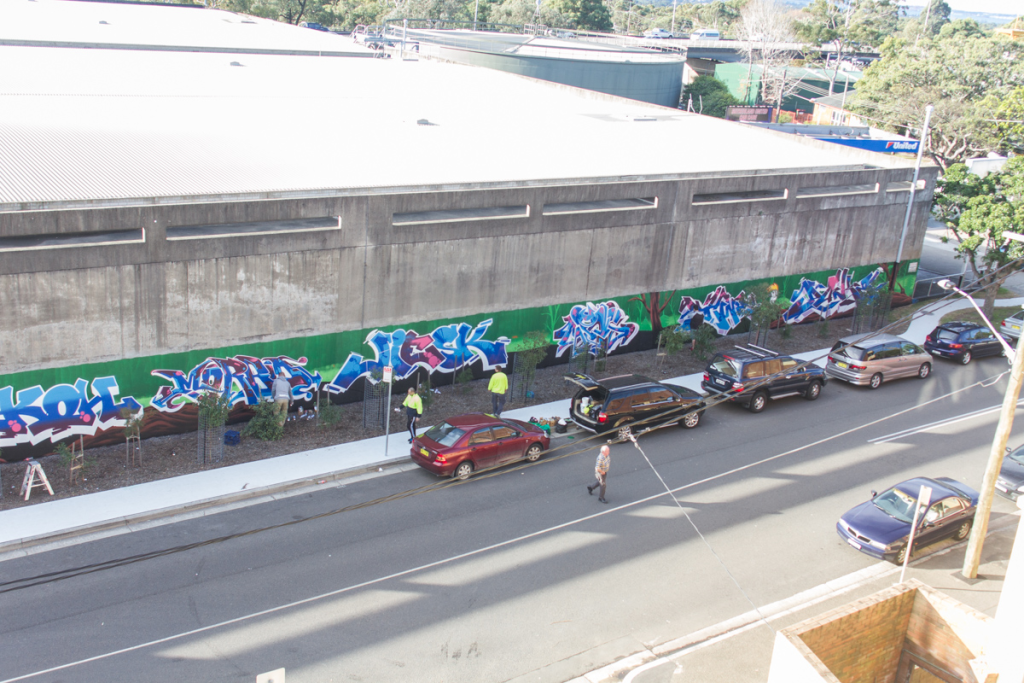
 anti graffiti mural sydney water sutherland

Removal spending is purely defensive. A mural budget delivers the graffiti outcome plus everything councils are separately funding elsewhere:

Placemaking. A mural turns grey infrastructure — pump stations, substations, underpasses, amenity blocks — into landmarks that residents photograph and identify with.

Community engagement. Mural projects can involve schools, youth groups and residents in the design process. Our Camden project ran a design workshop with a Year 10 Visual Design class, which built local ownership of the artwork — and walls the community feels ownership of are walls the community protects.

Perception of safety. Persistent tagging signals neglect and reduces perceived safety in public spaces. Quality public art signals care and activation — the reverse effect, on the same budget line.

A visible outcome to report. Removal spend is invisible when it works. A mural is a deliverable councillors can open, media can photograph and communities can point to.

The councils managing graffiti most cost-effectively aren’t choosing between removal and murals — they’re layering tools by site:

Rapid removal for isolated tags on low-risk surfaces, and same-day removal of offensive material anywhere.

Anti-graffiti coatings on high-value plain surfaces that need to stay plain.

Commissioned murals on chronic-target walls — the surfaces being cleaned three, four, five times a year. These are the sites where removal spend is highest and where a mural delivers the fastest payback.

Community engagement built into mural projects in youth-heavy areas, converting potential taggers into stakeholders.

The audit question is simple: which walls has the council cleaned more than twice in the past year? That list is the mural shortlist.  

Ferguson Grounds Cricket Mural in Camden, NSW, depicting local cricket history and community spirit

Mural projects don’t always need to come from the graffiti removal budget. Many are funded through public art programs, community grants, placemaking initiatives, and partnerships with asset owners such as Sydney Water. We’ve written two guides to help:

For budgeting purposes, our mural costs and pricing guide covers what drives project pricing, and we provide itemised quotes within 24 hours.

Blackbook Ink has delivered public art and community mural projects for councils and government bodies including Camden Council, City of Ryde, Ku-ring-gai Council, Canterbury-Bankstown, Burwood Council and Sydney Water — with 670+ projects completed since 2011.

Council projects come with the delivery framework government clients need: WHS documentation, insurance, elevated work platform management, community consultation, and anti-graffiti protective coatings — end to end. Learn more about our community murals and public art services.


Frequently Asked Questions

Do murals actually reduce graffiti?

In our experience, yes — when done properly. Full-coverage murals by artists respected within the graffiti community, finished with anti-graffiti coatings, dramatically reduce tagging compared to blank walls. Our 100m+ Sydney Water mural has remained largely graffiti-free for over 10 years. See our detailed post on whether murals reduce graffiti.

Is a mural cheaper than ongoing graffiti removal?

For chronic-target walls, usually — over time. Removal is a recurring cost that never ends; a mural is a one-off investment with minimal maintenance, especially with a protective coating applied. Walls being cleaned multiple times per year typically reach payback fastest.

What happens if someone tags the mural?

With an anti-graffiti coating applied, isolated tags can be removed from the coated surface quickly without damaging the artwork. In practice, quality murals are tagged far less often than blank walls due to conventions of respect within graffiti culture.

Can the community be involved in the mural design?

Yes. We regularly run design workshops with schools, youth groups and community members — as we did with Camden High School students for the Camden Pump Station mural. Community involvement builds local ownership, which itself acts as a deterrent.

What council surfaces can be painted?

Pump stations, substations, amenity blocks, underpasses, retaining walls, sound barriers, community centres, sporting facilities and more — subject to access, surface condition and approvals. We handle site assessment as part of every quote.

How do councils fund mural projects?

Through graffiti management budgets, public art programs, placemaking funds, community grants and asset-owner partnerships. Our public art funding guide covers current options in detail.


Planning a graffiti management strategy that includes murals? Blackbook Ink works with councils across Australia to turn chronic graffiti targets into protected public artworks. Get a free quote — response within 24 hours.

[/vc_column_text][/vc_column][/vc_row]

A mural painted by artists with genuine standing in the graffiti community is protected not just by coatings, but by culture. We’ve covered the evidence for this in detail in our post Do Murals Reduce Graffiti? What Actually Works.

3. Anti-graffiti coatings make any incident cheap to fix

Every Blackbook Ink public mural can be finished with an anti-graffiti protective coating. If an isolated tag does appear, it can be removed from the coated surface quickly and cheaply — without damaging the artwork underneath. Instead of a full repaint or abrasive clean, maintenance becomes a minor wipe-down.

The strongest evidence is a wall that used to be a problem and stopped being one.

Blackbook Ink delivered a 100-metre-plus graffiti art production for Sydney Water in Sutherland — a large, exposed infrastructure wall of exactly the kind that attracts constant tagging. Combined with our anti-graffiti coating approach, that mural has remained largely graffiti-free for more than 10 years.

Compare the economics. A wall of that scale on a removal-only strategy could easily absorb thousands of dollars in cleaning costs every year, indefinitely. As a mural, it became a one-off investment that has protected itself for a decade — while also becoming a local landmark rather than a maintenance line item.

More recently, our Camden Pump Station mural for Camden Council and Sydney Water applied the same thinking to a flood-exposed infrastructure site — combining site-specific design, student input from Camden High School, and protective coating suited to the environment.  

 anti graffiti mural sydney water sutherland

Removal spending is purely defensive. A mural budget delivers the graffiti outcome plus everything councils are separately funding elsewhere:

Placemaking. A mural turns grey infrastructure — pump stations, substations, underpasses, amenity blocks — into landmarks that residents photograph and identify with.

Community engagement. Mural projects can involve schools, youth groups and residents in the design process. Our Camden project ran a design workshop with a Year 10 Visual Design class, which built local ownership of the artwork — and walls the community feels ownership of are walls the community protects.

Perception of safety. Persistent tagging signals neglect and reduces perceived safety in public spaces. Quality public art signals care and activation — the reverse effect, on the same budget line.

A visible outcome to report. Removal spend is invisible when it works. A mural is a deliverable councillors can open, media can photograph and communities can point to.

The councils managing graffiti most cost-effectively aren’t choosing between removal and murals — they’re layering tools by site:

Rapid removal for isolated tags on low-risk surfaces, and same-day removal of offensive material anywhere.

Anti-graffiti coatings on high-value plain surfaces that need to stay plain.

Commissioned murals on chronic-target walls — the surfaces being cleaned three, four, five times a year. These are the sites where removal spend is highest and where a mural delivers the fastest payback.

Community engagement built into mural projects in youth-heavy areas, converting potential taggers into stakeholders.

The audit question is simple: which walls has the council cleaned more than twice in the past year? That list is the mural shortlist.  

Ferguson Grounds Cricket Mural in Camden, NSW, depicting local cricket history and community spirit

Mural projects don’t always need to come from the graffiti removal budget. Many are funded through public art programs, community grants, placemaking initiatives, and partnerships with asset owners such as Sydney Water. We’ve written two guides to help:

For budgeting purposes, our mural costs and pricing guide covers what drives project pricing, and we provide itemised quotes within 24 hours.

Blackbook Ink has delivered public art and community mural projects for councils and government bodies including Camden Council, City of Ryde, Ku-ring-gai Council, Canterbury-Bankstown, Burwood Council and Sydney Water — with 670+ projects completed since 2011.

Council projects come with the delivery framework government clients need: WHS documentation, insurance, elevated work platform management, community consultation, and anti-graffiti protective coatings — end to end. Learn more about our community murals and public art services.


Frequently Asked Questions

Do murals actually reduce graffiti?

In our experience, yes — when done properly. Full-coverage murals by artists respected within the graffiti community, finished with anti-graffiti coatings, dramatically reduce tagging compared to blank walls. Our 100m+ Sydney Water mural has remained largely graffiti-free for over 10 years. See our detailed post on whether murals reduce graffiti.

Is a mural cheaper than ongoing graffiti removal?

For chronic-target walls, usually — over time. Removal is a recurring cost that never ends; a mural is a one-off investment with minimal maintenance, especially with a protective coating applied. Walls being cleaned multiple times per year typically reach payback fastest.

What happens if someone tags the mural?

With an anti-graffiti coating applied, isolated tags can be removed from the coated surface quickly without damaging the artwork. In practice, quality murals are tagged far less often than blank walls due to conventions of respect within graffiti culture.

Can the community be involved in the mural design?

Yes. We regularly run design workshops with schools, youth groups and community members — as we did with Camden High School students for the Camden Pump Station mural. Community involvement builds local ownership, which itself acts as a deterrent.

What council surfaces can be painted?

Pump stations, substations, amenity blocks, underpasses, retaining walls, sound barriers, community centres, sporting facilities and more — subject to access, surface condition and approvals. We handle site assessment as part of every quote.

How do councils fund mural projects?

Through graffiti management budgets, public art programs, placemaking funds, community grants and asset-owner partnerships. Our public art funding guide covers current options in detail.


Planning a graffiti management strategy that includes murals? Blackbook Ink works with councils across Australia to turn chronic graffiti targets into protected public artworks. Get a free quote — response within 24 hours.

[/vc_column_text][/vc_column][/vc_row]

Taggers are drawn to blank, visible surfaces where their work will be seen. A wall covered in a professional, full-coverage mural offers no canvas. There’s nowhere for a tag to stand out, and tagging over finished artwork produces a far less visible result than tagging a clean wall.

2. Murals carry cultural weight within graffiti culture

This is the part most graffiti management guides miss, and it’s where Blackbook Ink’s background matters. Our artists come from the Australian graffiti community, with over 25 years of aerosol experience. Within that culture, there is a long-standing convention of respect for finished pieces. Particularly work by known, respected artists. Tagging over a quality mural is seen very differently to tagging a blank wall.

A mural painted by artists with genuine standing in the graffiti community is protected not just by coatings, but by culture. We’ve covered the evidence for this in detail in our post Do Murals Reduce Graffiti? What Actually Works.

3. Anti-graffiti coatings make any incident cheap to fix

Every Blackbook Ink public mural can be finished with an anti-graffiti protective coating. If an isolated tag does appear, it can be removed from the coated surface quickly and cheaply — without damaging the artwork underneath. Instead of a full repaint or abrasive clean, maintenance becomes a minor wipe-down.

The strongest evidence is a wall that used to be a problem and stopped being one.

Blackbook Ink delivered a 100-metre-plus graffiti art production for Sydney Water in Sutherland — a large, exposed infrastructure wall of exactly the kind that attracts constant tagging. Combined with our anti-graffiti coating approach, that mural has remained largely graffiti-free for more than 10 years.

Compare the economics. A wall of that scale on a removal-only strategy could easily absorb thousands of dollars in cleaning costs every year, indefinitely. As a mural, it became a one-off investment that has protected itself for a decade — while also becoming a local landmark rather than a maintenance line item.

More recently, our Camden Pump Station mural for Camden Council and Sydney Water applied the same thinking to a flood-exposed infrastructure site — combining site-specific design, student input from Camden High School, and protective coating suited to the environment.  

 anti graffiti mural sydney water sutherland

Removal spending is purely defensive. A mural budget delivers the graffiti outcome plus everything councils are separately funding elsewhere:

Placemaking. A mural turns grey infrastructure — pump stations, substations, underpasses, amenity blocks — into landmarks that residents photograph and identify with.

Community engagement. Mural projects can involve schools, youth groups and residents in the design process. Our Camden project ran a design workshop with a Year 10 Visual Design class, which built local ownership of the artwork — and walls the community feels ownership of are walls the community protects.

Perception of safety. Persistent tagging signals neglect and reduces perceived safety in public spaces. Quality public art signals care and activation — the reverse effect, on the same budget line.

A visible outcome to report. Removal spend is invisible when it works. A mural is a deliverable councillors can open, media can photograph and communities can point to.

The councils managing graffiti most cost-effectively aren’t choosing between removal and murals — they’re layering tools by site:

Rapid removal for isolated tags on low-risk surfaces, and same-day removal of offensive material anywhere.

Anti-graffiti coatings on high-value plain surfaces that need to stay plain.

Commissioned murals on chronic-target walls — the surfaces being cleaned three, four, five times a year. These are the sites where removal spend is highest and where a mural delivers the fastest payback.

Community engagement built into mural projects in youth-heavy areas, converting potential taggers into stakeholders.

The audit question is simple: which walls has the council cleaned more than twice in the past year? That list is the mural shortlist.  

Ferguson Grounds Cricket Mural in Camden, NSW, depicting local cricket history and community spirit

Mural projects don’t always need to come from the graffiti removal budget. Many are funded through public art programs, community grants, placemaking initiatives, and partnerships with asset owners such as Sydney Water. We’ve written two guides to help:

For budgeting purposes, our mural costs and pricing guide covers what drives project pricing, and we provide itemised quotes within 24 hours.

Blackbook Ink has delivered public art and community mural projects for councils and government bodies including Camden Council, City of Ryde, Ku-ring-gai Council, Canterbury-Bankstown, Burwood Council and Sydney Water — with 670+ projects completed since 2011.

Council projects come with the delivery framework government clients need: WHS documentation, insurance, elevated work platform management, community consultation, and anti-graffiti protective coatings — end to end. Learn more about our community murals and public art services.


Frequently Asked Questions

Do murals actually reduce graffiti?

In our experience, yes — when done properly. Full-coverage murals by artists respected within the graffiti community, finished with anti-graffiti coatings, dramatically reduce tagging compared to blank walls. Our 100m+ Sydney Water mural has remained largely graffiti-free for over 10 years. See our detailed post on whether murals reduce graffiti.

Is a mural cheaper than ongoing graffiti removal?

For chronic-target walls, usually — over time. Removal is a recurring cost that never ends; a mural is a one-off investment with minimal maintenance, especially with a protective coating applied. Walls being cleaned multiple times per year typically reach payback fastest.

What happens if someone tags the mural?

With an anti-graffiti coating applied, isolated tags can be removed from the coated surface quickly without damaging the artwork. In practice, quality murals are tagged far less often than blank walls due to conventions of respect within graffiti culture.

Can the community be involved in the mural design?

Yes. We regularly run design workshops with schools, youth groups and community members — as we did with Camden High School students for the Camden Pump Station mural. Community involvement builds local ownership, which itself acts as a deterrent.

What council surfaces can be painted?

Pump stations, substations, amenity blocks, underpasses, retaining walls, sound barriers, community centres, sporting facilities and more — subject to access, surface condition and approvals. We handle site assessment as part of every quote.

How do councils fund mural projects?

Through graffiti management budgets, public art programs, placemaking funds, community grants and asset-owner partnerships. Our public art funding guide covers current options in detail.


Planning a graffiti management strategy that includes murals? Blackbook Ink works with councils across Australia to turn chronic graffiti targets into protected public artworks. Get a free quote — response within 24 hours.

[/vc_column_text][/vc_column][/vc_row]

Commissioned murals interrupt the removal cycle in three ways.

1. Murals remove the canvas

Taggers are drawn to blank, visible surfaces where their work will be seen. A wall covered in a professional, full-coverage mural offers no canvas. There’s nowhere for a tag to stand out, and tagging over finished artwork produces a far less visible result than tagging a clean wall.

2. Murals carry cultural weight within graffiti culture

This is the part most graffiti management guides miss, and it’s where Blackbook Ink’s background matters. Our artists come from the Australian graffiti community, with over 25 years of aerosol experience. Within that culture, there is a long-standing convention of respect for finished pieces. Particularly work by known, respected artists. Tagging over a quality mural is seen very differently to tagging a blank wall.

A mural painted by artists with genuine standing in the graffiti community is protected not just by coatings, but by culture. We’ve covered the evidence for this in detail in our post Do Murals Reduce Graffiti? What Actually Works.

3. Anti-graffiti coatings make any incident cheap to fix

Every Blackbook Ink public mural can be finished with an anti-graffiti protective coating. If an isolated tag does appear, it can be removed from the coated surface quickly and cheaply — without damaging the artwork underneath. Instead of a full repaint or abrasive clean, maintenance becomes a minor wipe-down.

The strongest evidence is a wall that used to be a problem and stopped being one.

Blackbook Ink delivered a 100-metre-plus graffiti art production for Sydney Water in Sutherland — a large, exposed infrastructure wall of exactly the kind that attracts constant tagging. Combined with our anti-graffiti coating approach, that mural has remained largely graffiti-free for more than 10 years.

Compare the economics. A wall of that scale on a removal-only strategy could easily absorb thousands of dollars in cleaning costs every year, indefinitely. As a mural, it became a one-off investment that has protected itself for a decade — while also becoming a local landmark rather than a maintenance line item.

More recently, our Camden Pump Station mural for Camden Council and Sydney Water applied the same thinking to a flood-exposed infrastructure site — combining site-specific design, student input from Camden High School, and protective coating suited to the environment.  

 anti graffiti mural sydney water sutherland

Removal spending is purely defensive. A mural budget delivers the graffiti outcome plus everything councils are separately funding elsewhere:

Placemaking. A mural turns grey infrastructure — pump stations, substations, underpasses, amenity blocks — into landmarks that residents photograph and identify with.

Community engagement. Mural projects can involve schools, youth groups and residents in the design process. Our Camden project ran a design workshop with a Year 10 Visual Design class, which built local ownership of the artwork — and walls the community feels ownership of are walls the community protects.

Perception of safety. Persistent tagging signals neglect and reduces perceived safety in public spaces. Quality public art signals care and activation — the reverse effect, on the same budget line.

A visible outcome to report. Removal spend is invisible when it works. A mural is a deliverable councillors can open, media can photograph and communities can point to.

The councils managing graffiti most cost-effectively aren’t choosing between removal and murals — they’re layering tools by site:

Rapid removal for isolated tags on low-risk surfaces, and same-day removal of offensive material anywhere.

Anti-graffiti coatings on high-value plain surfaces that need to stay plain.

Commissioned murals on chronic-target walls — the surfaces being cleaned three, four, five times a year. These are the sites where removal spend is highest and where a mural delivers the fastest payback.

Community engagement built into mural projects in youth-heavy areas, converting potential taggers into stakeholders.

The audit question is simple: which walls has the council cleaned more than twice in the past year? That list is the mural shortlist.  

Ferguson Grounds Cricket Mural in Camden, NSW, depicting local cricket history and community spirit

Mural projects don’t always need to come from the graffiti removal budget. Many are funded through public art programs, community grants, placemaking initiatives, and partnerships with asset owners such as Sydney Water. We’ve written two guides to help:

For budgeting purposes, our mural costs and pricing guide covers what drives project pricing, and we provide itemised quotes within 24 hours.

Blackbook Ink has delivered public art and community mural projects for councils and government bodies including Camden Council, City of Ryde, Ku-ring-gai Council, Canterbury-Bankstown, Burwood Council and Sydney Water — with 670+ projects completed since 2011.

Council projects come with the delivery framework government clients need: WHS documentation, insurance, elevated work platform management, community consultation, and anti-graffiti protective coatings — end to end. Learn more about our community murals and public art services.


Frequently Asked Questions

Do murals actually reduce graffiti?

In our experience, yes — when done properly. Full-coverage murals by artists respected within the graffiti community, finished with anti-graffiti coatings, dramatically reduce tagging compared to blank walls. Our 100m+ Sydney Water mural has remained largely graffiti-free for over 10 years. See our detailed post on whether murals reduce graffiti.

Is a mural cheaper than ongoing graffiti removal?

For chronic-target walls, usually — over time. Removal is a recurring cost that never ends; a mural is a one-off investment with minimal maintenance, especially with a protective coating applied. Walls being cleaned multiple times per year typically reach payback fastest.

What happens if someone tags the mural?

With an anti-graffiti coating applied, isolated tags can be removed from the coated surface quickly without damaging the artwork. In practice, quality murals are tagged far less often than blank walls due to conventions of respect within graffiti culture.

Can the community be involved in the mural design?

Yes. We regularly run design workshops with schools, youth groups and community members — as we did with Camden High School students for the Camden Pump Station mural. Community involvement builds local ownership, which itself acts as a deterrent.

What council surfaces can be painted?

Pump stations, substations, amenity blocks, underpasses, retaining walls, sound barriers, community centres, sporting facilities and more — subject to access, surface condition and approvals. We handle site assessment as part of every quote.

How do councils fund mural projects?

Through graffiti management budgets, public art programs, placemaking funds, community grants and asset-owner partnerships. Our public art funding guide covers current options in detail.


Planning a graffiti management strategy that includes murals? Blackbook Ink works with councils across Australia to turn chronic graffiti targets into protected public artworks. Get a free quote — response within 24 hours.

[/vc_column_text][/vc_column][/vc_row]

Every council in Australia has a graffiti problem, and most are managing it the same way: report, remove, repeat. A wall gets tagged, a contractor is called, the tag is cleaned or painted over, and within weeks sometimes days the fresh blank surface is tagged again.

Graffiti removal is estimated to cost the Australian community more than $2 billion every year, with removal rates typically running between $50 and $100 per square metre. Individual councils routinely spend tens of thousands to hundreds of thousands of dollars annually on removal alone, and larger cities spend far more. That money buys a clean wall temporarily and nothing else.

Increasingly, councils across NSW, Victoria, Queensland and WA are taking a different approach to managing graffiti: commissioning murals. This article explains why the removal-only cycle fails, why murals work as a long-term graffiti deterrent, and how councils can build murals into a graffiti management strategy that actually reduces spend over time.  
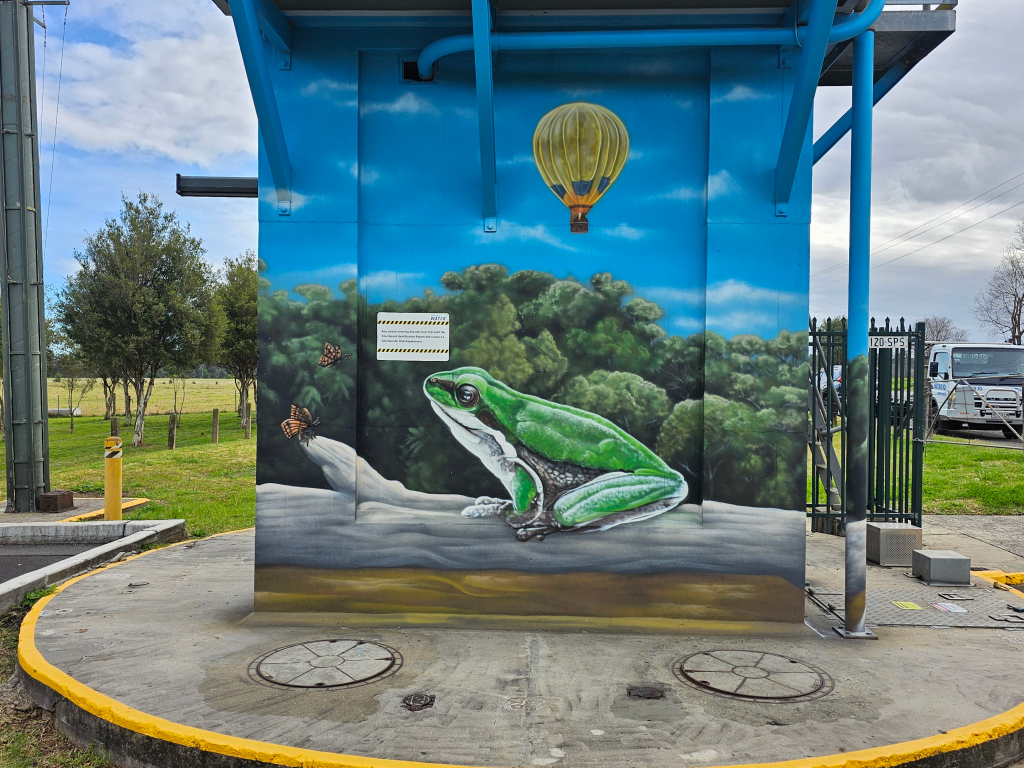
dwarf tree frog detail on pump station mural

Rapid removal has a place in any graffiti strategy. Offensive material should come down same-day, and quick removal of tags can discourage repeat attacks in areas without an established graffiti culture.

But as a standalone strategy, removal has a fundamental flaw: it restores the exact conditions that attracted graffiti in the first place. A large, blank, publicly visible wall is a canvas. Cleaning it doesn’t change what it is — it just resets it.

This creates the removal cycle most council asset managers know well:

    1. Wall gets tagged
    2. Council pays for removal
    3. Blank wall returns
    4. Wall gets tagged again
    5. Repeat — indefinitely

Each cycle costs money, and the spend never converts into an asset. A wall that costs $2,000 to clean four times a year is an $8,000 annual liability with nothing to show for it. Over five years, that’s $40,000 spent maintaining a blank wall.


Commissioned murals interrupt the removal cycle in three ways.

1. Murals remove the canvas

Taggers are drawn to blank, visible surfaces where their work will be seen. A wall covered in a professional, full-coverage mural offers no canvas. There’s nowhere for a tag to stand out, and tagging over finished artwork produces a far less visible result than tagging a clean wall.

2. Murals carry cultural weight within graffiti culture

This is the part most graffiti management guides miss, and it’s where Blackbook Ink’s background matters. Our artists come from the Australian graffiti community, with over 25 years of aerosol experience. Within that culture, there is a long-standing convention of respect for finished pieces. Particularly work by known, respected artists. Tagging over a quality mural is seen very differently to tagging a blank wall.

A mural painted by artists with genuine standing in the graffiti community is protected not just by coatings, but by culture. We’ve covered the evidence for this in detail in our post Do Murals Reduce Graffiti? What Actually Works.

3. Anti-graffiti coatings make any incident cheap to fix

Every Blackbook Ink public mural can be finished with an anti-graffiti protective coating. If an isolated tag does appear, it can be removed from the coated surface quickly and cheaply — without damaging the artwork underneath. Instead of a full repaint or abrasive clean, maintenance becomes a minor wipe-down.

The strongest evidence is a wall that used to be a problem and stopped being one.

Blackbook Ink delivered a 100-metre-plus graffiti art production for Sydney Water in Sutherland — a large, exposed infrastructure wall of exactly the kind that attracts constant tagging. Combined with our anti-graffiti coating approach, that mural has remained largely graffiti-free for more than 10 years.

Compare the economics. A wall of that scale on a removal-only strategy could easily absorb thousands of dollars in cleaning costs every year, indefinitely. As a mural, it became a one-off investment that has protected itself for a decade — while also becoming a local landmark rather than a maintenance line item.

More recently, our Camden Pump Station mural for Camden Council and Sydney Water applied the same thinking to a flood-exposed infrastructure site — combining site-specific design, student input from Camden High School, and protective coating suited to the environment.  

 anti graffiti mural sydney water sutherland

Removal spending is purely defensive. A mural budget delivers the graffiti outcome plus everything councils are separately funding elsewhere:

Placemaking. A mural turns grey infrastructure — pump stations, substations, underpasses, amenity blocks — into landmarks that residents photograph and identify with.

Community engagement. Mural projects can involve schools, youth groups and residents in the design process. Our Camden project ran a design workshop with a Year 10 Visual Design class, which built local ownership of the artwork — and walls the community feels ownership of are walls the community protects.

Perception of safety. Persistent tagging signals neglect and reduces perceived safety in public spaces. Quality public art signals care and activation — the reverse effect, on the same budget line.

A visible outcome to report. Removal spend is invisible when it works. A mural is a deliverable councillors can open, media can photograph and communities can point to.

The councils managing graffiti most cost-effectively aren’t choosing between removal and murals — they’re layering tools by site:

Rapid removal for isolated tags on low-risk surfaces, and same-day removal of offensive material anywhere.

Anti-graffiti coatings on high-value plain surfaces that need to stay plain.

Commissioned murals on chronic-target walls — the surfaces being cleaned three, four, five times a year. These are the sites where removal spend is highest and where a mural delivers the fastest payback.

Community engagement built into mural projects in youth-heavy areas, converting potential taggers into stakeholders.

The audit question is simple: which walls has the council cleaned more than twice in the past year? That list is the mural shortlist.  

Ferguson Grounds Cricket Mural in Camden, NSW, depicting local cricket history and community spirit

Mural projects don’t always need to come from the graffiti removal budget. Many are funded through public art programs, community grants, placemaking initiatives, and partnerships with asset owners such as Sydney Water. We’ve written two guides to help:

For budgeting purposes, our mural costs and pricing guide covers what drives project pricing, and we provide itemised quotes within 24 hours.

Blackbook Ink has delivered public art and community mural projects for councils and government bodies including Camden Council, City of Ryde, Ku-ring-gai Council, Canterbury-Bankstown, Burwood Council and Sydney Water — with 670+ projects completed since 2011.

Council projects come with the delivery framework government clients need: WHS documentation, insurance, elevated work platform management, community consultation, and anti-graffiti protective coatings — end to end. Learn more about our community murals and public art services.


Frequently Asked Questions

Do murals actually reduce graffiti?

In our experience, yes — when done properly. Full-coverage murals by artists respected within the graffiti community, finished with anti-graffiti coatings, dramatically reduce tagging compared to blank walls. Our 100m+ Sydney Water mural has remained largely graffiti-free for over 10 years. See our detailed post on whether murals reduce graffiti.

Is a mural cheaper than ongoing graffiti removal?

For chronic-target walls, usually — over time. Removal is a recurring cost that never ends; a mural is a one-off investment with minimal maintenance, especially with a protective coating applied. Walls being cleaned multiple times per year typically reach payback fastest.

What happens if someone tags the mural?

With an anti-graffiti coating applied, isolated tags can be removed from the coated surface quickly without damaging the artwork. In practice, quality murals are tagged far less often than blank walls due to conventions of respect within graffiti culture.

Can the community be involved in the mural design?

Yes. We regularly run design workshops with schools, youth groups and community members — as we did with Camden High School students for the Camden Pump Station mural. Community involvement builds local ownership, which itself acts as a deterrent.

What council surfaces can be painted?

Pump stations, substations, amenity blocks, underpasses, retaining walls, sound barriers, community centres, sporting facilities and more — subject to access, surface condition and approvals. We handle site assessment as part of every quote.

How do councils fund mural projects?

Through graffiti management budgets, public art programs, placemaking funds, community grants and asset-owner partnerships. Our public art funding guide covers current options in detail.


Planning a graffiti management strategy that includes murals? Blackbook Ink works with councils across Australia to turn chronic graffiti targets into protected public artworks. Get a free quote — response within 24 hours.
Why Businesses Are Hiring Muralists Instead of Traditional Signage

Muralists for businesses creating a custom commercial wall mural

For years, business signage has been one of the most common ways to display a logo, direct customers or make a shopfront feel more professional.

But more businesses are now looking beyond standard signs and choosing custom murals instead. This is where muralists for businesses can offer a more tailored approach, creating artwork that supports both the space and the brand.

From restaurants and gyms to offices, retail stores, breweries, cafés and commercial spaces, murals are being used as a more creative way to build brand identity, attract attention and turn blank walls into memorable parts of the customer experience.

More businesses are now looking for muralists for businesses who can create custom artwork that does more than decorate a wall. The right mural can help shape the customer experience, strengthen brand identity and make a commercial space more memorable.

Traditional signage still has its place. But when a business wants something more unique, site-specific and engaging, hiring a professional muralist can offer much more than a standard sign on a wall.

At Blackbook Ink, we work with businesses across Australia to create custom murals, graffiti-style artwork and branded wall art that helps spaces feel more connected, recognisable and visually memorable.

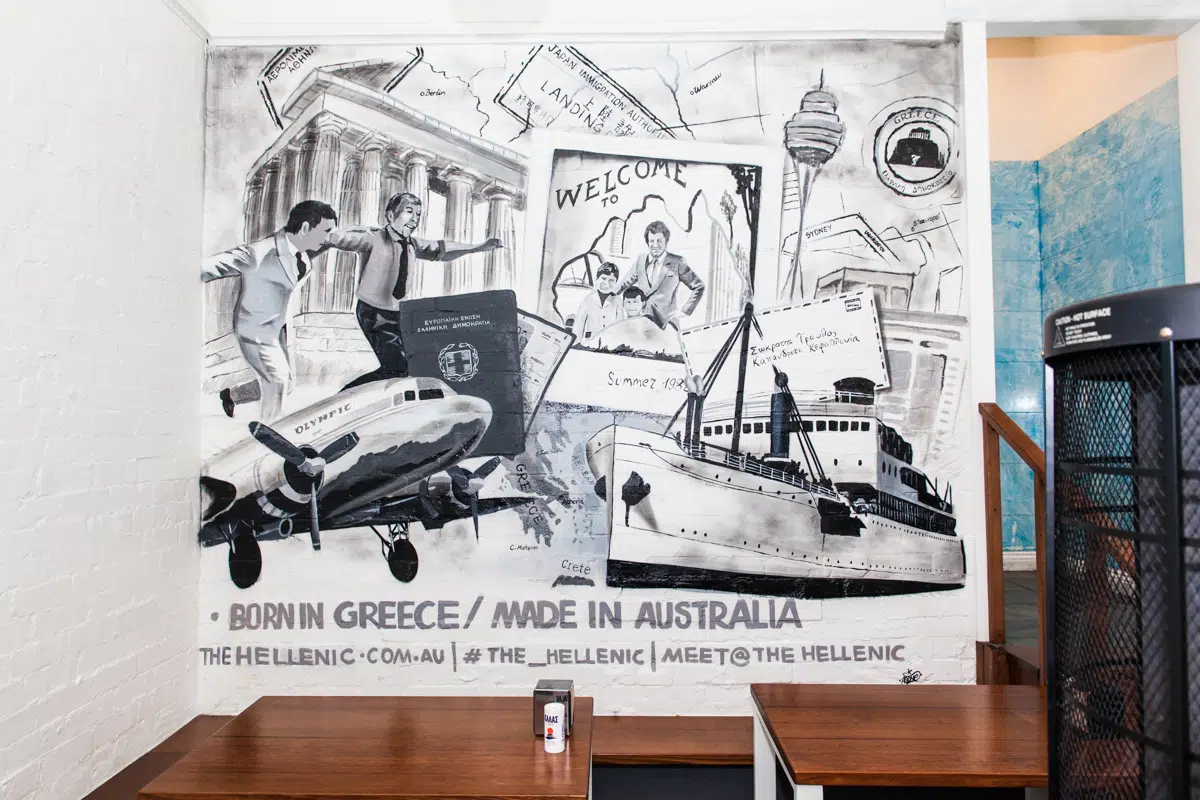
Custom business mural painted by Blackbook Ink for a commercial space

Murals Create a Stronger First Impression

First impressions matter.

Before a customer speaks to your staff, looks at a menu or browses your products, they are already forming an opinion based on the space around them.

Traditional signage can tell people your business name. A mural can help them feel what your business is about.

A well-designed mural can create atmosphere, communicate personality and make a space feel considered from the moment someone walks in. This is why more businesses are using murals in restaurants, cafés, office reception areas, retail stores, gyms, fitness centres, hospitality venues, shopping centres, workplaces, showrooms and event spaces.

Instead of simply placing a logo on a wall, a mural can turn that wall into a feature that supports the wider brand experience.

For businesses that rely on presentation, atmosphere and customer connection, this can make a big difference.

Murals Feel More Custom Than Standard Signage

One of the biggest reasons businesses are hiring muralists is because murals do not feel generic.

Traditional signage often follows a similar formula: logo, brand colours, text and maybe a graphic element. It can be effective, but it may not always create a strong emotional response.

A custom mural can be designed around the business, the building, the location and the people who use the space. Unlike general decorators or signwriters, muralists for businesses think about how the artwork will be seen, photographed and experienced by customers.

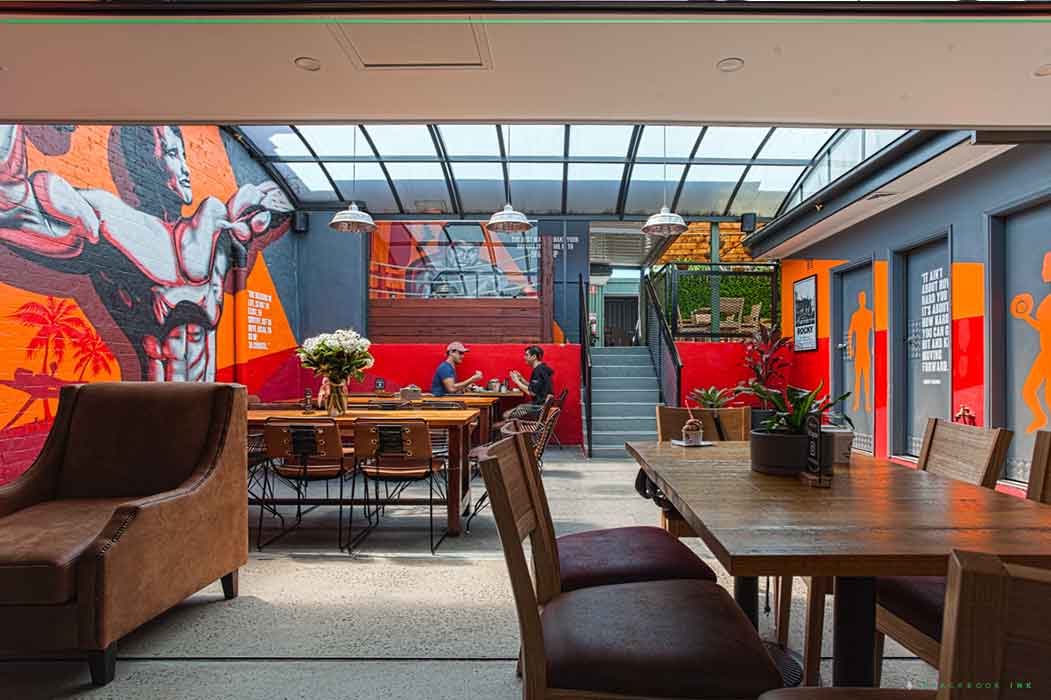
For example, a mural for a hospitality venue might include food references, cultural themes or local landmarks. A mural for a gym might focus on energy, movement and motivation. A mural for a corporate office might bring brand values, staff culture or company history into the workspace.

This is where a professional muralist offers more than just painting ability. The artwork needs to be designed with purpose, not just decoration.

Murals Help Businesses Stand Out

Many businesses operate in competitive areas where customers have plenty of choice.

A standard sign may help people identify your business, but a mural can help people remember it.

This is especially important for businesses in high-foot-traffic locations such as main streets, shopping centres, laneways, hospitality strips and entertainment precincts.

A strong mural can make a building more noticeable from the street. It can also give people a reason to stop, look, take a photo or share the space online.

That extra attention can be valuable for new business launches, shopfront upgrades, venue refreshes, brand activations, hospitality fit-outs, retail campaigns and commercial developments.

When a mural is designed properly, it becomes part of the business identity rather than just another visual element.

A sign can tell people where your business is.
A mural can help them remember it.

Murals Can Turn Blank Walls Into Marketing Assets

A blank wall is often wasted space.

For many businesses, walls are large, visible surfaces that could be doing more. Professional muralists for businesses can help turn these blank areas into branded features that continue working long after the paint has dried. Instead of leaving them plain or covering them with basic signage, murals can turn those spaces into long-term marketing assets.

A mural can support a business by making the space more recognisable, creating photo opportunities, reinforcing the brand personality, improving customer experience, adding visual value to the fit-out, making the business easier to remember and supporting social media content.

This is why murals work particularly well for hospitality venues, gyms, retail spaces and offices where customers, staff or visitors regularly interact with the space.

A mural does not need to be overly complex to be effective. Sometimes a simple, bold and well-placed artwork can have more impact than a wall full of signage.

Commercial mural used as a marketing feature wall for a business

Murals Are More Shareable Than Traditional Signs

People do not usually take photos of standard signs.

They do take photos of murals.

This is one of the biggest advantages murals have over traditional signage. A custom mural can become an organic content opportunity for customers, visitors and staff.

For cafés, restaurants, gyms and retail stores, this can help create more user-generated content. Customers may photograph the mural, tag the business or share the space with their own audience.

This does not mean every mural needs to be designed as an “Instagram wall”. But it does mean the artwork should be visually strong enough to make people notice it.

For businesses trying to create a more memorable space, this can add value beyond the wall itself.

Murals Can Still Include Logos and Brand Messaging

Choosing a mural does not mean removing brand signage altogether.

In many cases, the best result is a combination of both.

A mural can include a logo, slogan, brand colours or key messaging, but in a way that feels more integrated into the artwork. This can be more visually appealing than placing a logo on a flat wall with no surrounding context.

For example, a branded mural might include a painted logo, brand colours, illustrated products, local references, industry-related imagery, company values, staff culture themes or abstract brand patterns.

The difference is that the branding becomes part of the artwork, rather than sitting separately from the space.

This approach is especially useful for businesses that want their branding to feel more creative, personal and memorable.

Murals Improve the Customer Experience

Good business interiors are not just about function. They also shape how customers feel.

A plain wall may be practical, but it does not add much to the overall experience. A mural can help create a stronger atmosphere and make the space feel more complete.

This is particularly valuable in restaurants, cafés, bars, retail stores, gyms, salons, clinics, offices, waiting areas and showrooms.

For example, a mural in a restaurant can help set the tone before the food arrives. A mural in a gym can make the space feel more energetic. A mural in an office can make the workplace feel more connected to the company’s identity.

When customers enjoy being in a space, they are more likely to remember it, recommend it and return.

Custom mural improving the atmosphere of a business interior

Murals Can Support a Local Identity

Businesses often want their spaces to feel connected to the area they operate in.

Traditional signage usually focuses on the business itself. A mural can go further by referencing the surrounding suburb, local landmarks, history, community, natural environment or cultural identity.

This is especially useful for businesses that want to feel part of the local area rather than looking like a generic fit-out.

This is similar to the way public art is often used in placemaking to make spaces feel more distinctive and connected to community.

A site-specific mural can help communicate that the business has invested in the space and understands its surroundings.

This approach is also common in public-facing commercial spaces, shopping centres, councils and community-focused developments where placemaking is an important part of the project.

Murals Can Last for Years

A professionally painted mural can be a long-term investment.

With the right surface preparation, quality materials and protective coatings, murals can last for years in both indoor and outdoor environments.

At Blackbook Ink, we use professional mural materials and can recommend UV and anti-graffiti coatings where suitable. This helps protect the artwork from sun exposure, weathering, general wear and unwanted tagging.

This is particularly important for outdoor commercial murals, shopfronts, hospitality venues and public-facing walls.

Like signage, murals need to be planned properly. The wall condition, exposure, access, surface type and finish all affect the best approach.

When Traditional Signage Still Makes Sense

Murals are powerful, but they do not replace every type of signage.

Traditional signage is still important for clear information such as business names, wayfinding, opening hours, safety notices, directional signs, compliance signage, menu boards and building identification.

The best approach is often to use signage for clear information and murals for brand experience.

A sign can tell people where they are. A mural can help them remember the place.

That is why more businesses are using both together.

Why Hire Professional Muralists for Businesses?

Professional muralists for businesses understand that commercial artwork needs to do more than look impressive. It needs to suit the brand, work with the space, support the customer experience and hold up over time.

A successful business mural needs more than someone who can paint well.

It needs planning, design experience and an understanding of how the artwork will work in the space.

A professional muralist can help with interpreting the brief, creating a concept that suits the brand, working with existing architecture, selecting the right artwork style, planning scale and placement, managing surface preparation, installing the mural safely, using durable materials and recommending protective coatings.

This is especially important for commercial spaces where the mural needs to represent the business professionally and last over time.

At Blackbook Ink, our process includes consultation, concept development, design revisions, site planning and professional mural installation.

Final Thoughts

Businesses are hiring muralists instead of relying only on traditional signage because murals offer something more memorable.

A sign can identify a business. A mural can create atmosphere, tell a story, attract attention and turn a blank wall into part of the brand experience.

For businesses that want to stand out, improve their space and create a stronger connection with customers, a custom mural can be a powerful alternative to standard signage.

Whether it is a shopfront, office, restaurant, gym, retail store or commercial fit-out, a well-designed mural can help make the space more recognisable, engaging and memorable.

This is why muralists for businesses are becoming a stronger option for brands that want more than basic wall signage.

If you are planning a mural for your business, Blackbook Ink creates custom murals, graffiti artwork and branded wall art for commercial spaces across Australia.

FAQs About Hiring Muralists for Businesses

Businesses are hiring muralists because custom murals can make a space more memorable, improve the customer experience and support brand identity. Unlike standard signage, murals can create atmosphere, tell a story and turn a blank wall into a visual feature.

Murals and signage serve different purposes. Signage is useful for clear information such as business names, directions and opening hours. Murals are better for creating atmosphere, brand identity and a memorable customer experience. Many businesses use both together.

Yes. A business mural can include your logo, brand colours, slogans, products or other visual elements. The benefit of a mural is that these details can be worked into the artwork instead of looking like standard flat signage.

Muralists are commonly hired by cafés, restaurants, gyms, retail stores, offices, salons, breweries, shopping centres, hospitality venues and commercial developments.

Murals can help make a business more noticeable and memorable. A strong mural can improve the appearance of a space, encourage photos and make the business easier for customers to remember.

A professionally painted mural can last for years when the wall is prepared correctly and quality materials are used. Outdoor murals may also benefit from UV or anti-graffiti coatings depending on the location and exposure.

Related Articles

Why Invest in Custom Murals for Your Business?

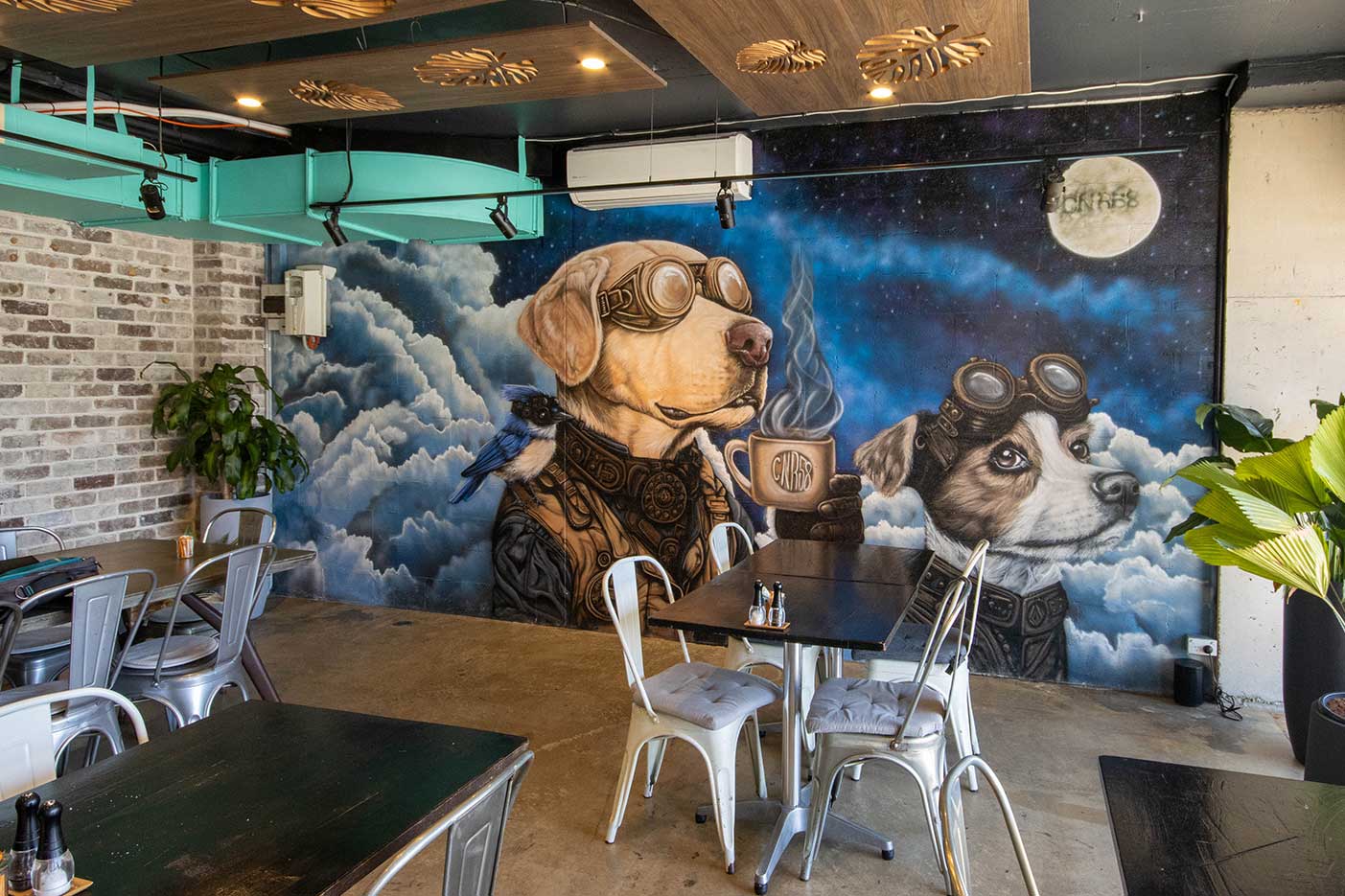
Commercial mural painted for CNR 50 Cafe in Concord, NSW

In today’s competitive business landscape, standing out is more important than ever. Companies are constantly seeking innovative ways to capture attention, create memorable experiences, and build a strong brand identity. One increasingly popular and impactful way to achieve this is through custom murals. These large-scale, hand-painted or digitally printed artworks are more than just decorative elements—they are powerful tools for storytelling, branding, and customer engagement. Here’s why investing in custom murals for your business is a smart move:


1. Make a Lasting First Impression

First impressions matter, and a custom mural can instantly transform your business space into a visually stunning environment. Whether it’s on the exterior of your building, in your lobby, or as a centerpiece in your store, a mural grabs attention and sets the tone for what customers can expect from your brand. A well-designed mural can convey creativity, professionalism, and a commitment to quality, all before a customer even walks through the door.


2. Enhance Your Brand Identity

Custom murals offer a unique opportunity to visually communicate your brand’s story, values, and personality. Unlike generic decor, a mural can be tailored to reflect your company’s mission, culture, or even your local community. For example, a coffee shop might feature a mural of coffee beans and local landmarks, while a tech company could incorporate futuristic designs and digital elements. This level of customization helps reinforce your brand identity and makes your business more memorable.


3. Create a Shareable Experience

In the age of social media, creating an Instagram-worthy space is a surefire way to boost your business’s visibility. Custom murals are inherently photogenic and often become local landmarks or viral sensations. Customers love to take photos in front of eye-catching murals and share them online, effectively giving your business free advertising. This organic reach can attract new customers and build buzz around your brand.


4. Boost Employee Morale and Productivity

A well-designed workspace isn’t just for customers—it’s for your employees too. Custom murals can transform a dull office or retail space into an inspiring and motivating environment. Studies have shown that aesthetically pleasing workspaces can improve employee morale, creativity, and productivity. By investing in a mural, you’re not just decorating your space; you’re investing in your team’s well-being and performance.


5. Stand Out in a Competitive Market

In crowded markets, differentiation is key. A custom mural can set your business apart from competitors by creating a unique and memorable experience. Whether it’s a bold, abstract design or a detailed narrative piece, a mural can make your business the talk of the town. It shows that you’re willing to go the extra mile to create something special for your customers.


6. Support Local Artists and Build Community Ties

Commissioning a custom mural often involves collaborating with local artists, which can strengthen your ties to the community. By supporting local talent, you demonstrate a commitment to cultural enrichment and community engagement. This can enhance your business’s reputation and foster goodwill among customers and residents.


7. Increase Foot Traffic and Sales

A visually striking mural can act as a magnet, drawing people into your business. Whether it’s curious passersby or social media followers eager to see the mural in person, increased foot traffic often translates into higher sales. Additionally, murals can create a welcoming atmosphere that encourages customers to stay longer, explore more, and return in the future.


8. A Long-Term Investment

Unlike temporary advertising or decor, custom murals are a long-term investment. High-quality murals can last for years with minimal maintenance, making them a cost-effective way to enhance your space. Over time, the mural becomes a recognizable part of your brand, contributing to its legacy and value.


9. Versatility Across Industries

Custom murals are incredibly versatile and can be adapted to suit a wide range of industries. From retail stores and restaurants to offices, gyms, schools, and healthcare facilities, murals can enhance any space. They can be used to create themed environments, highlight products or services, or simply add a touch of artistry to an otherwise ordinary setting.


10. Express Your Commitment to Creativity and Innovation

Finally, investing in a custom mural sends a powerful message about your business: that you value creativity, innovation, and the power of art. In a world where consumers are increasingly drawn to brands with a strong sense of purpose and authenticity, a mural can help you connect with your audience on a deeper level.


Conclusion

Custom murals are more than just decorations—they are strategic investments that can elevate your brand, attract customers, and create a lasting impact. By transforming your space into a work of art, you’re not only enhancing its aesthetic appeal but also building a stronger connection with your audience. Whether you’re a small business owner or the head of a large corporation, a custom mural is a creative and effective way to make your mark.

So, why wait? Start envisioning the perfect mural for your business today and watch as it brings your brand to life in ways you never imagined. Let us Turn Your Vision into a Reality.

Contact Us to see what we can do for you.

Graffiti vs Street Art

Graffiti vs Street Art: Understanding the Key Differences


Urban landscapes are vibrant canvases for diverse artistic expressions, with graffiti and street art as two prominent forms of visual communication. While they share some similarities, graffiti and street art differ significantly in their origins, techniques, and cultural significance.

This article explores their unique characteristics, from illegal tags to commissioned murals, and dives into the debates about legality, ethics, and their role in shaping urban culture.

Origins: Graffiti vs. Street Art

Graffiti’s Roots: From Ancient Marks to Modern Tags

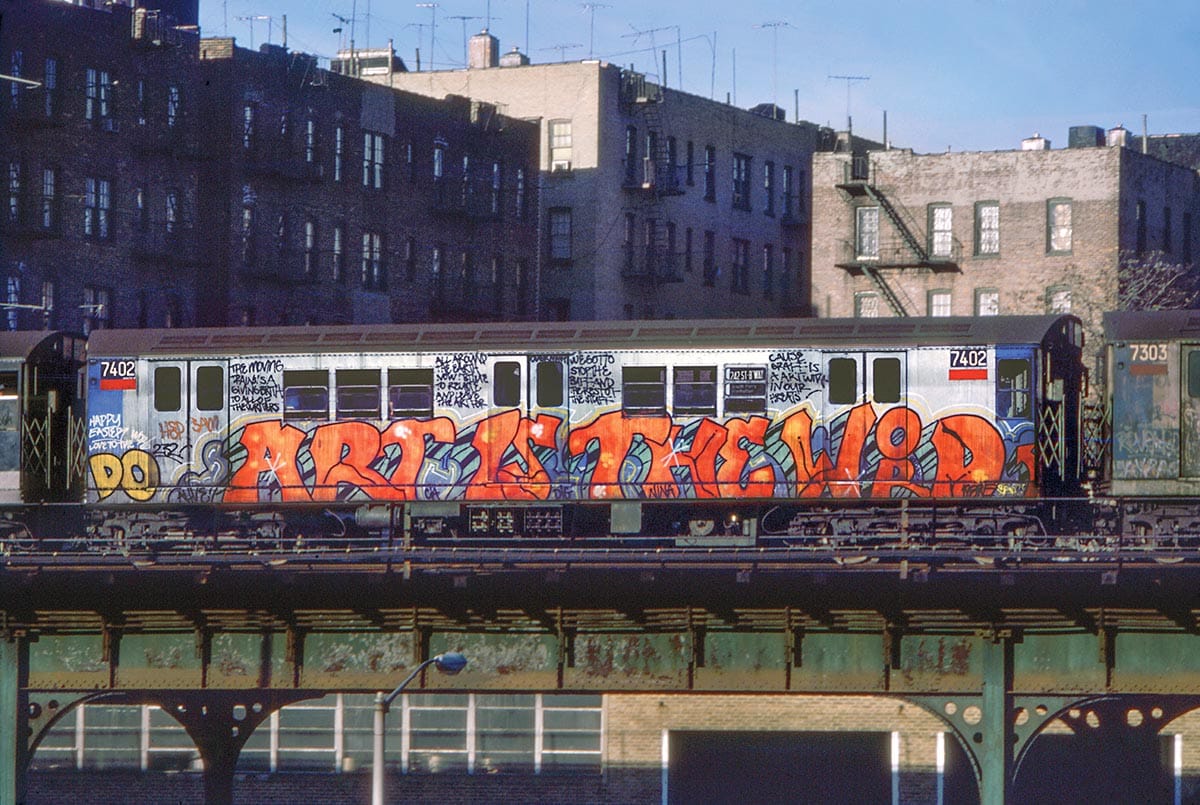
The practice of leaving marks on public surfaces dates back to ancient Greece and Rome, where people carved messages on walls to express political opinions. Modern graffiti emerged in the 1960s in New York City as part of hip-hop culture.

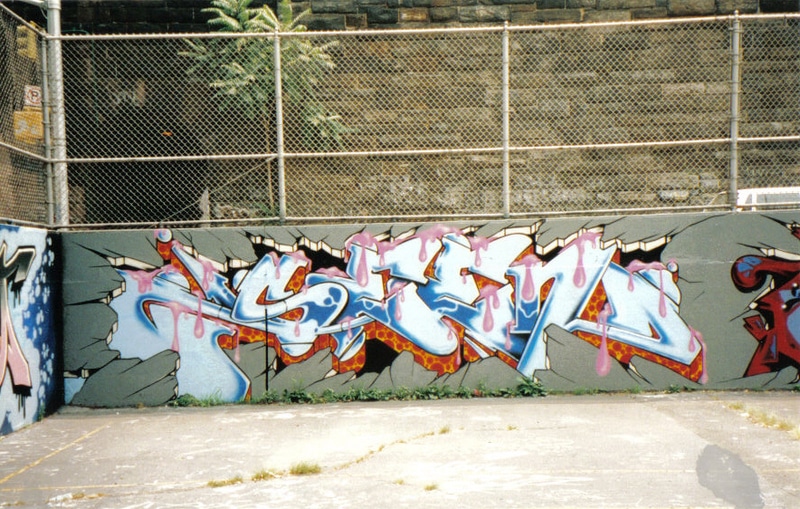
Young artists, known as “writers” or “taggers,” used spray paint to create stylized signatures or tags on subway cars and walls. The goal was visibility—having their work seen in as many places as possible.

As graffiti evolved, so did its techniques. Artists experimented with new styles and larger, more colorful designs, transforming simple tags into elaborate masterpieces (pieces).

Street Art: A Broader Canvas

Street art evolved from graffiti but expanded its focus beyond text-based art. Emerging in the 1970s and 1980s, street artists like Keith Haring and Jean-Michel Basquiat introduced imagery, social commentary, and diverse techniques like stencils and wheat pasting.

Unlike graffiti, which often uses coded language, street art aims to connect with a broader audience, addressing social and political issues in visually engaging ways.

Techniques and Styles

Graffiti: A Focus on Lettering

  • Tags: Simple, quick, and often in one color, tags are an artist’s signature.
  • Throw-ups: Larger, two-color tags with bubble-style lettering.
  • Pieces: Elaborate works showcasing advanced techniques, vibrant colors, and detailed designs.

Street Art: A Wider Palette

  • Murals: Large-scale, representational art often addressing themes or stories.
  • Stencils: Pre-cut templates for detailed, reproducible designs.
  • Installations: 3D art that interacts with the urban environment.

Other street art methods include wheat pasting and mosaics, offering artists flexible ways to adapt their work to public spaces.

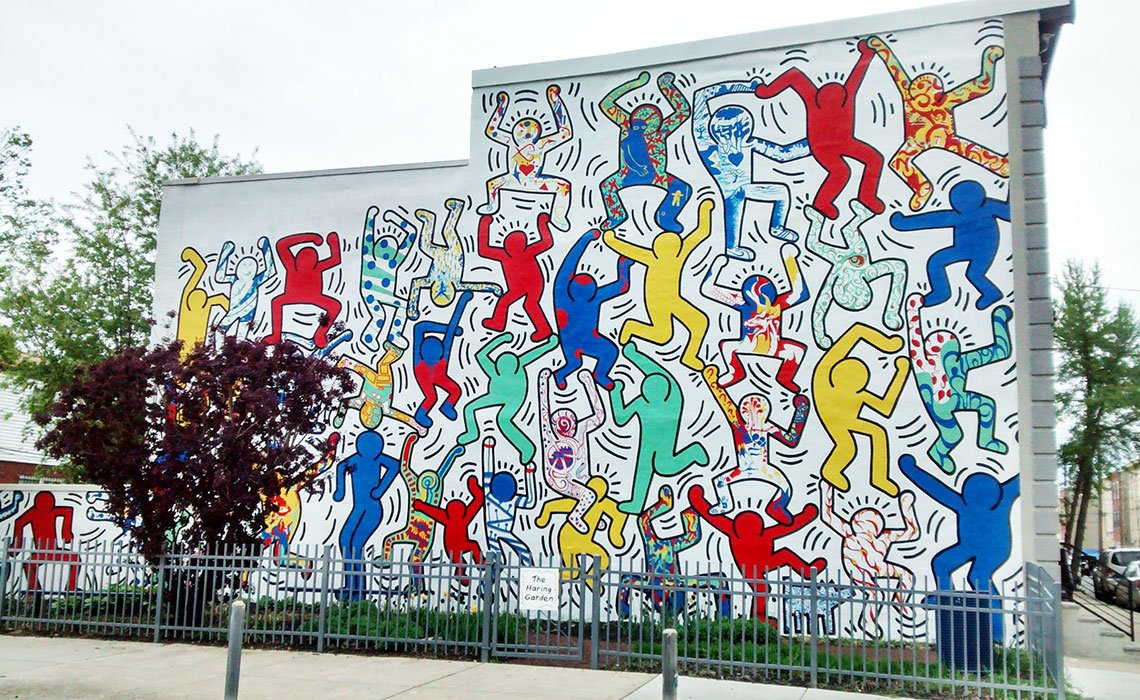
PARTY OF LIFEMural painted by KEITH HARING

Legal and Ethical Considerations

Graffiti: Art or Vandalism?

Graffiti is often seen as vandalism due to its unauthorized nature. Many cities, including those in Australia, have strict laws against graffiti, with penalties that include hefty fines and imprisonment.

Street Art: The Path to Legitimacy

In contrast, street art has gained mainstream acceptance. Commissioned murals and public art projects enhance urban spaces, attract tourism, and foster community pride. This distinction between legal and unauthorized works is a key difference between graffiti and street art.

The Debate: Graffiti vs. Street Art

While graffiti focuses on self-expression and identity, street art often prioritizes imagery and public engagement. Both forms challenge perceptions, transform cityscapes, and spark conversations about the use of public spaces.

At their core, graffiti and street art are vital expressions of urban culture. Whether it’s a rebellious tag or a commissioned mural, both forms contribute to the evolving dialog about art, property rights, and community spaces.

Conclusion

The line between graffiti and street art can be blurry, but their impact on urban culture is undeniable. Street art’s growing acceptance contrasts with graffiti’s controversial status, yet both play essential roles in shaping the identity of modern cities.

At Blackbook Ink, we celebrate both forms of expression, offering unique graffiti and street art-inspired murals that bring dull spaces to life.

Contact us today to explore how we can transform your walls with vibrant, meaningful art!

FAQs

What’s the difference between graffiti and street art?
Graffiti is typically unauthorized, text-based art focused on self-expression, while street art often features imagery, broader themes, and is sometimes commissioned.

How does street art differ from tagging?
Tagging is a graffiti artist’s signature, while street art involves detailed, public-facing artworks that engage with viewers.

What is public art versus street art?
Public art is sanctioned and commissioned to enhance communities, whereas street art is often unsanctioned and may carry a rebellious tone.

Hosier Lane Vandalism Or Art

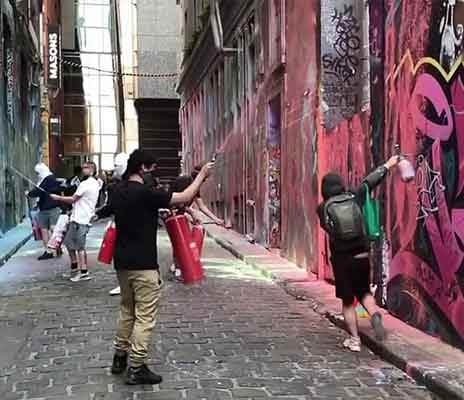
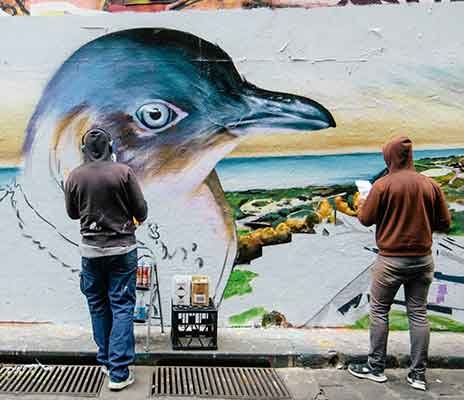
Graffiti Artists Painting Hosier Lane in Melbourne

Hosier Lane Vandalism or Art

We have been getting asked a lot about Hosier Lane lately, due to this group of graffiti writers.

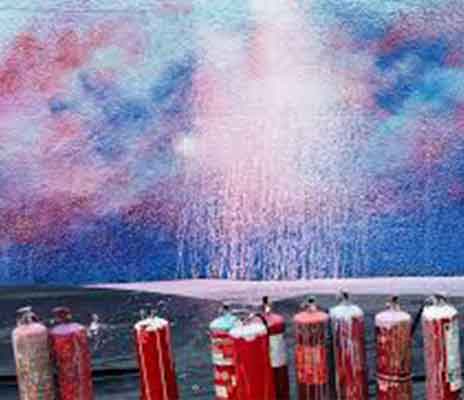
Painting the Hosier Lane with fire extinguishers painting over a large area in February 2020.
This covered a lot of the artwork that was on display, whilst also getting
paint on the cobblestones in the process.

There has been a media outcry with stories in the newspaper and even on the news about the activity by a small number of youths.


This is kind of ironic as art has been gone over on a daily basis in that lane way for years.
They weren’t doing anything out of the norm and even back in 2013 a controversial street artist painted one
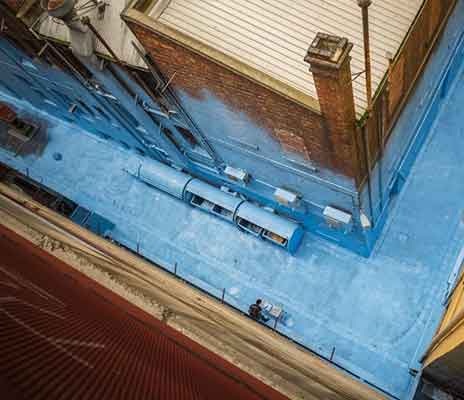
of the city’s iconic laneways completely blue.

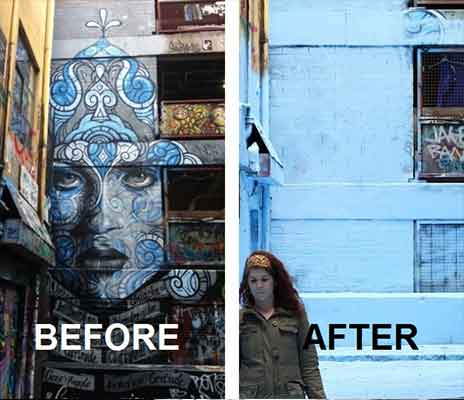
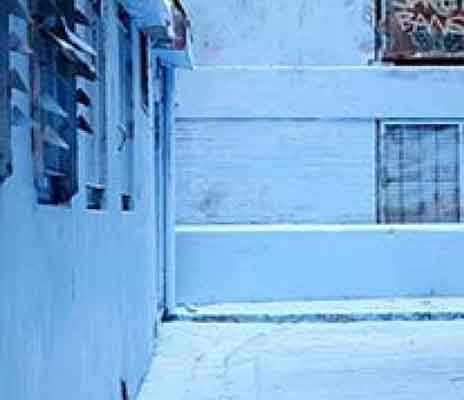
The street artist  painted Rutledge Lane, which connects to the jewel in Melbourne’s street art crown, Hosier Lane, with a blockout of baby-blue paint, destroying every piece of artwork in the colourful lane.

The project was sponsored through RMIT with Council funding, Lord Mayor Robert Doyle confirmed  he was informed of the project. As it was an attempt to breathe new life into the heavily graffitied precinct.

Hosier lane before and after

blue painted laneway in Melbourne

blue painted walls in Melbourne Laneway

Now, according to an article from “The Guardian”, this group of youths are under police investigation for painting over a well-known legal space that is meant to be open to all aspects of street art, graffiti, stencils, abstract art etc.

So how is it acceptable that council can pay a street artist to paint one of these laneways completely blue, going over every single piece of art.

Yet these youth are tarnished as vandals for using fire extinguishers as they did the same thing for free.

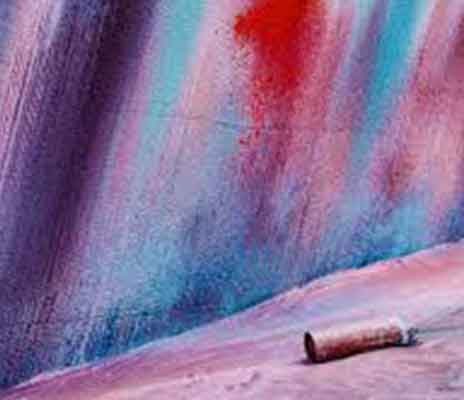
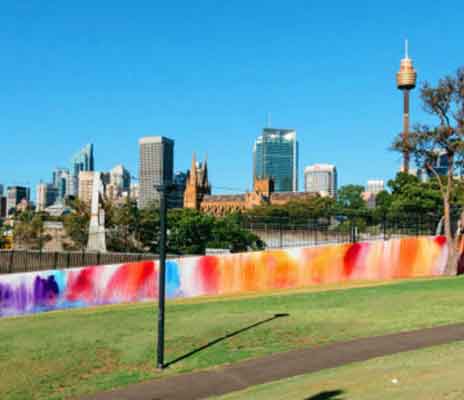
Even in Sydney an abstract artist was commissioned to paint at the Domain in the CBD.  The artwork was just fire extinguishers filled with paint sprayed over the entire wall.

Since it’s a commissioned public art piece from a known artist it’s accepted amongst the community.

Whereas this act in Melbourne is seen as just pure vandalism.


Abstract art painted in Sydney at the Domain

Fire extinguisher art in Sydney

Abstract mural painted at the Domain in Sydney

Where is the line drawn between what is art and vandalism?

From what we are aware this group of youths  didn’t have any malicious intent and went there as its a legal place to paint.

The reason behind wearing balaclava’s and using the fire extinguishers as seen on the footage shown on the media, a drone was filming to gather footage for a film clip.

This makes it no different than all the businesses, corporations and people who commission artists to paint work for them.

As it’s a known legal area to paint which is what made it what it is today as this high foot traffic destination where people get to take photos of artists painting walls.


At times there is some rather impressive work done at Hosier Lane which attracts the 5000 a day foot traffic through the area.
But like all legal walls around Australia within this sub culture, it’s known that painting at such spots – nothing lasts forever.

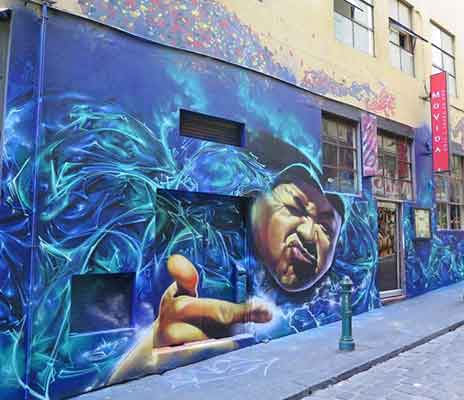
Hosier Lane murals

Graffiti Artists painting At Hosier Lane Melbourne

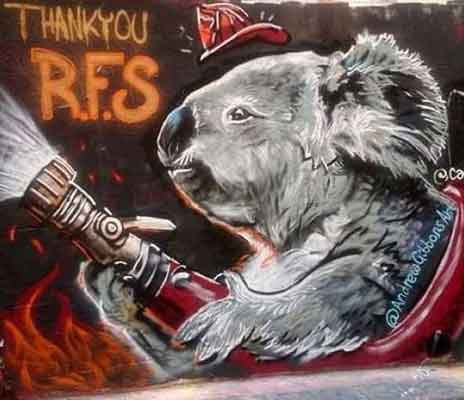
Koala mural at Hosier Lane

Graffiti Artists Melbourne

Featured Melbourne graffiti artist Porno

graffiti mural in Melbourne

Visualising a wall of beautiful artwork can be translated into a reality with our Graffiti Artists in Melbourne. Blackbook Ink understands our clients have visions of what they would like for their wall space. Whether it be inside their residential property, to refresh the area within a commercial building or to jazz up community spaces and we are passionate about turning those visions into realities. We have an extensive portfolio of projects completed for various clientele and can recreate our artwork on your wall space or design a whole new piece based on your recommendations and requirements. Aesthetics is important when designing and we understand that you may want certain colour schemes, themes and branding for your wall; our Graffiti Artists in Melbourne can make this happen for you. Blackbook Ink is proud of our accomplishments and we have five-star reviews attesting to our exceptional service and quality work. Furthermore, we are efficient and work around your business or lifestyle hours to minimise interruption to your schedule. A mural can be accomplished generally within three days from initiation to completion and you will enjoy your transformed space with the way we enhance your wall.  


The Importance Of Aesthetics

Aesthetics or visual appeal is an integral aspect for Graffiti Artists in Melbourne and Blackbook Ink is renowned for magnificent quality of aesthetic appeal in our murals. Graffiti pieces can be assessed according to the attributes of lines, structures, themes and colour scheme and is viewed as beautiful art to be appreciated and in awe of. It communicates ideas and themes such as branding or topics to the audience and is truly effective in commercial spaces and community outdoor walls or youth centres. The aesthetics is part of what appeals to the audience and communicates a message. It is not just about using a spray can to put colour onto a wall space; it is true artwork with Blackbook Ink’s Graffiti Artists in Melbourne and we are proud of our murals. Through visual aesthetics, murals can inspire people with creative flow, can foster a welcoming sense to a home or office and strengthen communities. It can promote a sense of identity within the commercial team or community centres such as youth centres and people can relate to the topic or theme. The aesthetics can also foster a sense of openness and refreshing spatiality and the colour scheme blended together is evolved in brilliant design and attention to detail to produce visually-pleasing spaces. Blackbook Ink has a team of Creative Designers on board as well as Graffiti Artists in Melbourne who, together, collaborate to achieve magnificent aesthetic appeal of artwork. Our fresh and unique solutions to your requirements are unbeatable and we work with your specifications and target audience. Our Creative Designers are passionate about aesthetics and how to incorporate true beauty into murals which will leave people bedazzled. 


Why We Do Graffiti Murals

Graffiti originates from the beginning of human societies and has been discovered in ancient areas such as Pompei, Italy. The term “graffiti” stems from the Italian word “grafficar” which indicates drawings, markings, messages of topics or themes and patterns and line structure. Though graffiti has often been seen as vandalism work where there is unsolicited graffiti tags on wall spaces, graffiti artwork has flourished into a thriving field for enhancing wall spaces within buildings and on the outdoor wall spaces of structures. Blackbook Ink’s Graffiti Artists in Melbourne love what they do and we create wonderful murals because we are passionate about art and the key messages and stories that can be told through visual communication. Sometimes a mural will inspire hope in a person especially within community centres which look after disadvantaged youths and adults. It can exude a sense of identity and belonging with a space and Blackbook Ink is dedicated to producing murals that inspire people and unite them all at once. We work with a diverse range of clientele and tailor our artwork solutions to cater for various requirements, aesthetics and visions. 

The Benefits of Office Murals in the Workplace

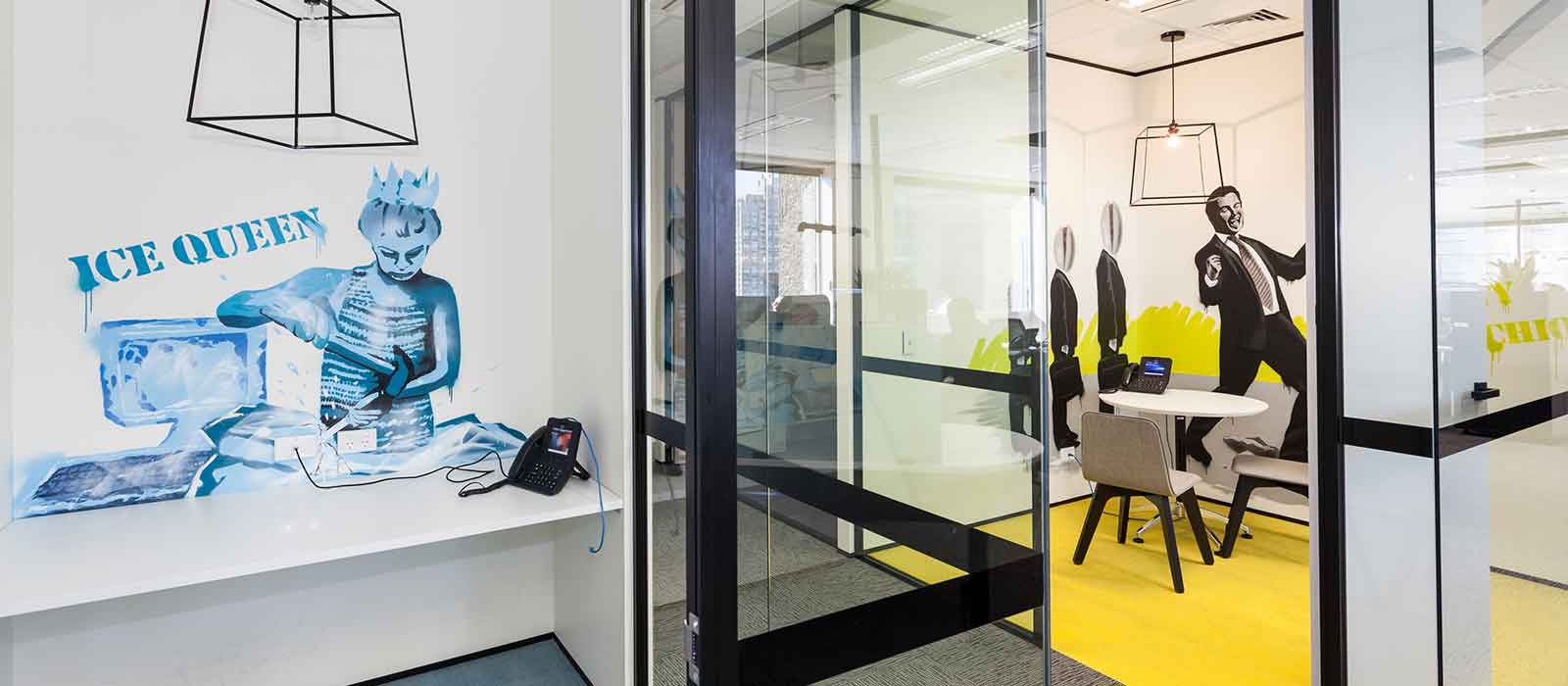
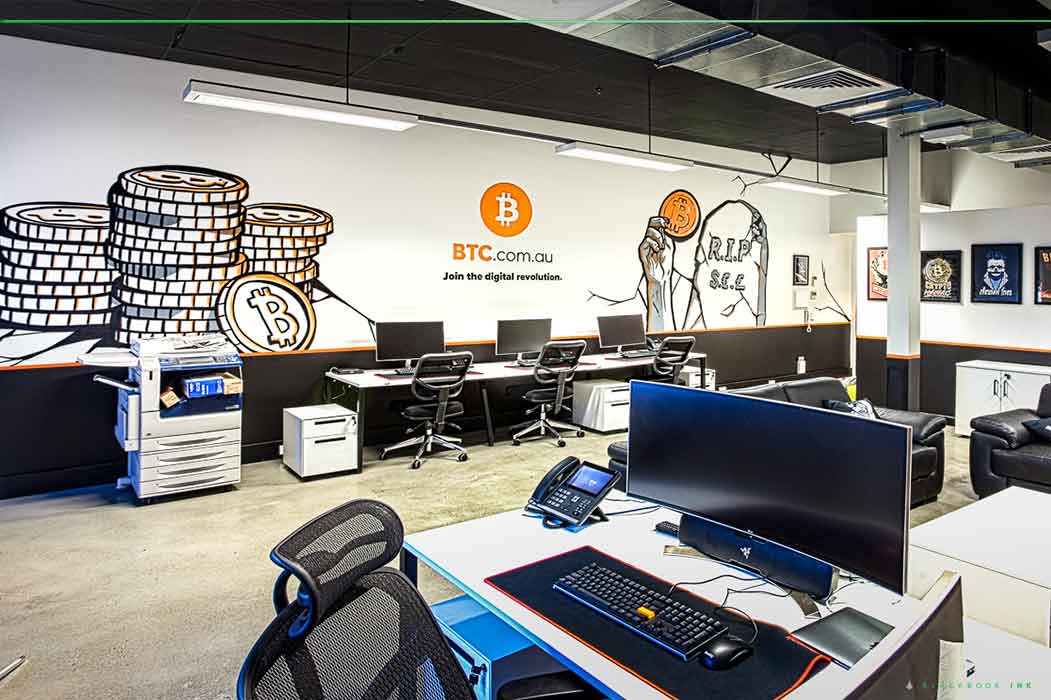
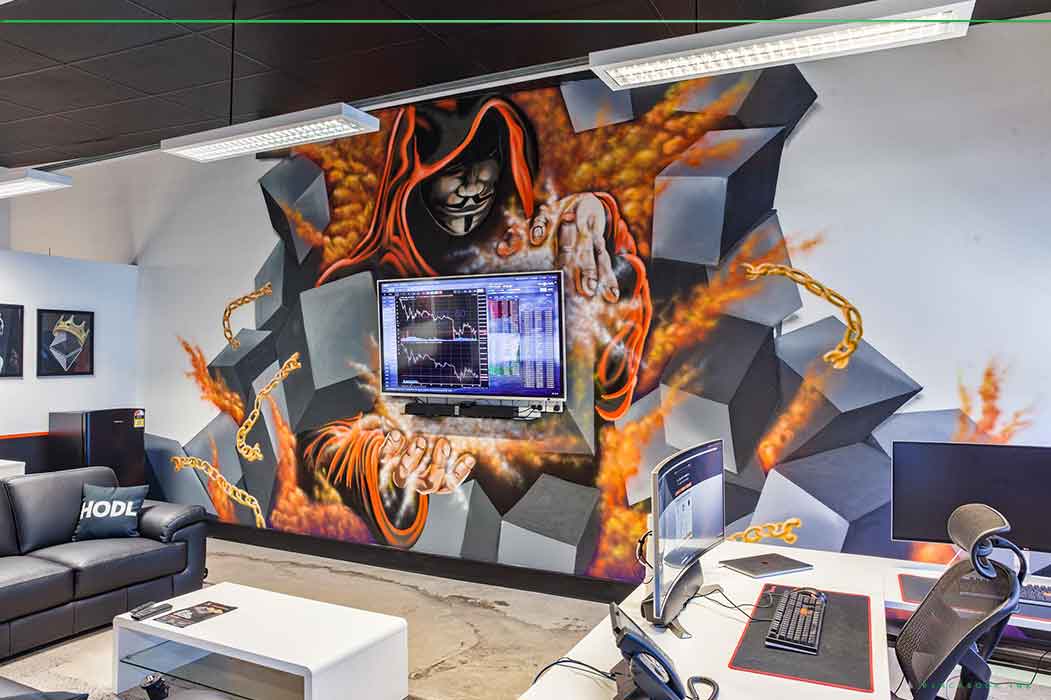
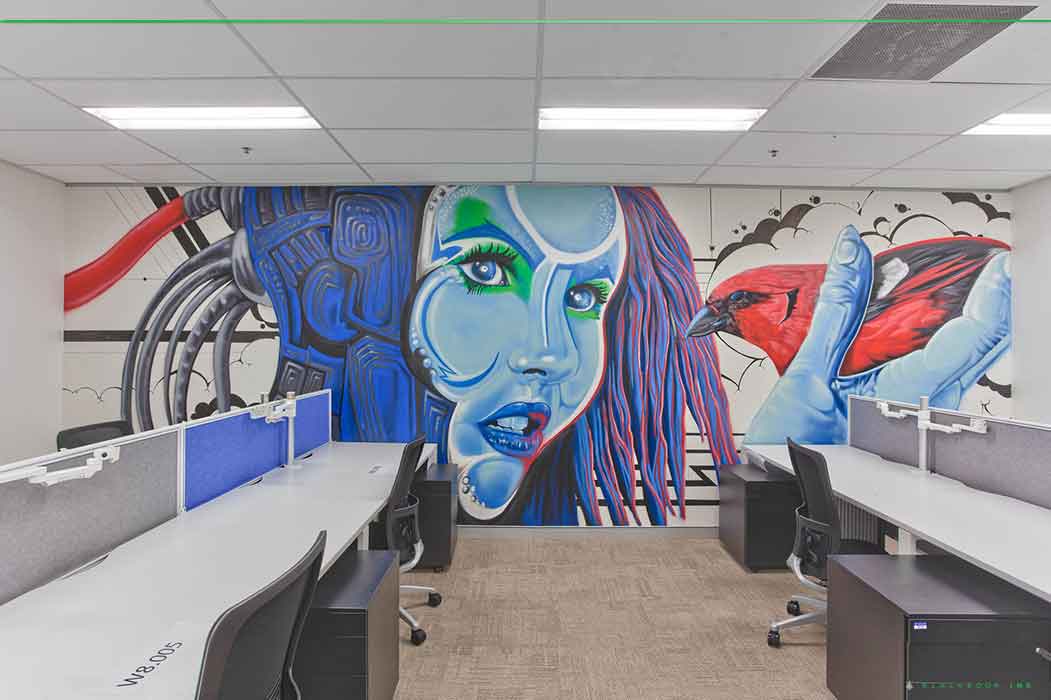
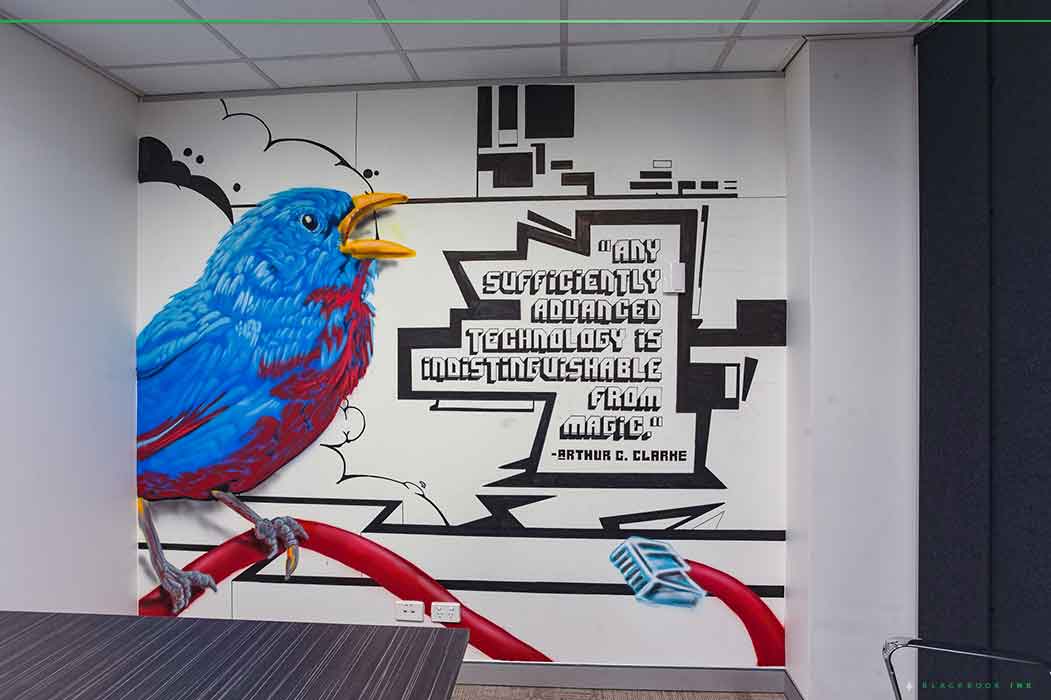
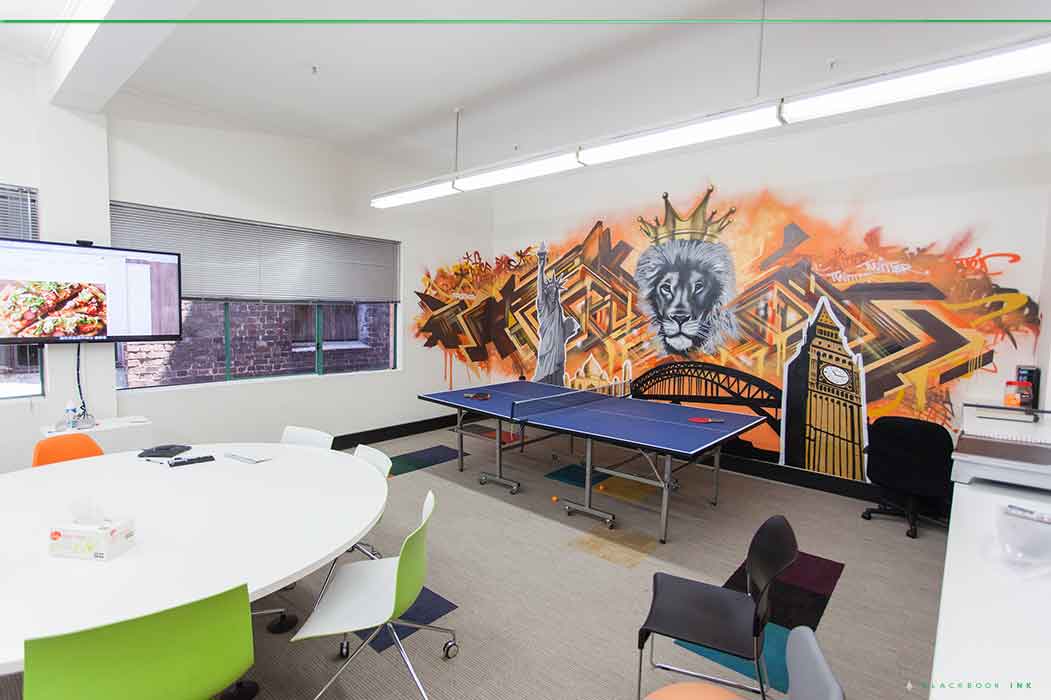
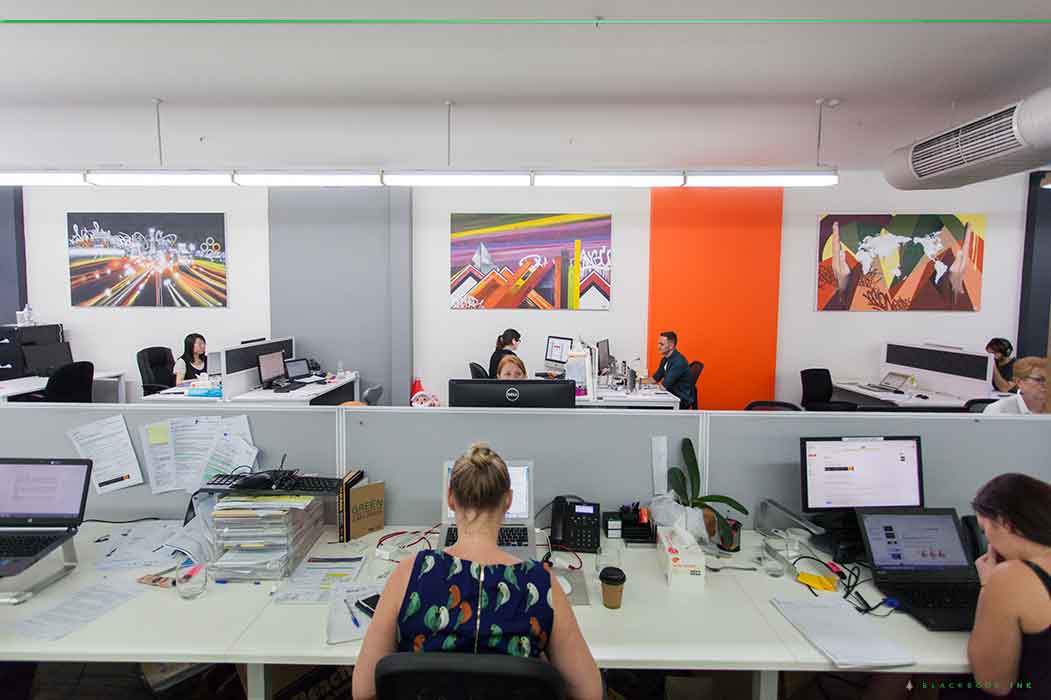
office graffiti

Office murals are becoming increasingly popular across businesses and corporate environments. What was once seen as a luxury is now being recognised as a valuable addition to the workplace.

As businesses evolve, creating an inviting and stimulating atmosphere in the workplace has become essential. Office murals serve as a visual representation of a company’s culture and values, impacting not just aesthetics but also employee engagement and productivity. By integrating vibrant designs, companies can foster a more dynamic and innovative environment that inspires creativity among their employees.

Many businesses underestimate the real impact that murals can have. Beyond aesthetics, they contribute to productivity, workplace culture, and overall employee experience.

Murals can also provide a sense of community within the workplace. For instance, a mural that highlights local landmarks or achievements can instill pride among employees, reminding them of their shared goals and collective identity. Furthermore, thematic murals can spark conversations, encouraging teamwork and collaboration.

These outcomes are part of the broader benefits of murals seen across commercial, public, and educational spaces.

How Office Murals Can Ease Your Pain

Moreover, the process of selecting or commissioning a mural can itself be an engaging team-building activity, where employees contribute ideas or vote on designs that resonate with them. This not only makes the mural more meaningful but also deepens employees’ connection to their workplace.

Below is a brief explanation of how office murals can transform a workspace that might otherwise feel bland or uninspiring.

Integrating nature into office design has gained popularity, with studies showing that natural elements can enhance well-being. Murals featuring greenery or landscapes can create a calming atmosphere, counteracting the stress often associated with corporate environments.

Studies into workplace psychology  including research by Dr. Craig Knight from the University of Exeter, suggest that the design of a workspace can directly influence how people perform and feel.

The choice of colors in murals can influence mood and productivity. Warm colors like orange and yellow are known to stimulate creativity and energy, while cooler colors like blue can promote a sense of tranquility and focus. Thus, selecting the right color palette for murals is crucial in establishing the desired workplace atmosphere.

Murals in office environments have been linked to:

  • Increased creativity
  • Elevated productivity
  • Reduced stress
  • Improved morale
  • Stronger connection to the workplace

By introducing visual elements into a workspace, businesses can create environments that feel more engaging and less repetitive.

Additionally, murals can serve as a canvas for employees to express their creativity. Encouraging staff contributions can lead to unique designs that reflect the workforce’s diverse talents and backgrounds, further enhancing workplace culture.

Creating a Stronger Workplace Culture

This visual storytelling can be particularly effective for businesses looking to attract younger audiences who value authenticity and creativity in their workplaces. By showcasing stories through murals, companies can establish a narrative that resonates with clients and employees alike.

Office murals do more than improve how a space looks. They help communicate what a business stands for.

Furthermore, murals can also address social issues, making a powerful statement about the company’s commitment to diversity and inclusion. For example, murals that celebrate various cultures or advocate for social justice can help create a more inclusive workplace.

Murals can:

  • Reflect company values
  • Reinforce branding
  • Create a more welcoming environment
  • Encourage interaction between employees

Employees often report a higher level of satisfaction when working in spaces that feel considered and visually engaging.

The Impact on Clients & Visitors

Murals don’t just affect employees, they also influence how clients perceive your business.

Additionally, the emotional connection fostered by murals can lead to improved customer experiences. Clients are likely to feel more engaged and appreciated in a visually stimulating environment, which can facilitate better business relationships.

A well-designed mural can:

  • Create a strong first impression
  • Make your space more memorable
  • Act as a visual talking point

This can be especially important in offices where clients visit regularly.

See how this is applied in real spaces:
Corporate mural projects

Murals as a Long-Term Business Asset

illustration office mural

bitcoin graffiti art office murals

Murals are not just a one-off visual upgrade, they are long-term assets.

As design trends shift, companies that invest in murals can stay relevant and visually appealing to clients and employees. This commitment to aesthetics can set a company apart from competitors and attract talent that values creativity in the workplace.

They can:

  • Improve employee experience
  • Strengthen brand identity
  • Enhance the overall environment

Unlike temporary design elements, murals become part of the workplace itself.

Explore more about
custom mural services

indoor wall murals

technology graffiti art

How Murals Can Increase Engagement & Visibility

Ultimately, the strategic use of murals can enhance branding. By aligning mural themes with marketing strategies, businesses can create a cohesive brand message that resonates through visual storytelling, both internally and externally.

Many businesses also find that murals influence how people interact with their space.

Murals can:

  • Attract attention from outside the business
  • Encourage social media engagement
  • Create opportunities for organic exposure

Read more about how murals increase foot traffic

Why Businesses Are Investing in Murals Now

As workplaces continue to evolve, businesses are placing more focus on environments that support both productivity and culture. Office murals are becoming a key part of this shift, helping companies move away from generic spaces and towards more intentional, engaging design.

Murals offer a practical way to stand out, especially in competitive industries where brand perception matters. When combined with a clear concept and professional execution, they can transform not just the look of a space, but how people experience it on a daily basis.

commercial office art

street art canvas artworks

From Concept to Completion

At Blackbook Ink, we’ve worked with businesses to transform office spaces into environments that reflect their identity and values.

Each project is developed based on:

  • The client brief
  • The space
  • The intended outcome

Whether it’s a feature wall, full office mural, or custom artwork, the goal is to create something that adds lasting value.

Learn more about
our mural process

Office Murals Across Sydney

Businesses across Sydney are increasingly using murals to differentiate themselves and create more engaging environments.

Moreover, showcasing local artists in mural projects can strengthen community ties and reflect the company’s support for the arts. This partnership can enhance a company’s reputation and attract clients who share similar values.

View examples of
Sydney mural projects

Is an Office Mural Right for Your Business?

If you have a workspace that could benefit from a stronger visual identity, a mural can be an effective way to transform the environment.

To assess whether a mural is right for your business, consider conducting employee surveys to gather feedback on desired themes and styles. This inclusive approach ensures that the final mural resonates with the workforce, enhancing its effectiveness.

Explore our corporate mural services or get in touch to discuss your project.

Investing in high-quality murals can yield long-term benefits. With proper maintenance, murals can last for years, making them a cost-effective solution for enhancing office environments over time.


Ready to Transform Your Office Space?

Take the next step and consult with mural professionals to explore custom designs that align with your business’s vision. The right murals can not only transform your office space but also elevate your brand’s identity in the marketplace.

Get a Quote Today

Benefits of Murals

street art mural community impact - Artist: Styna

Why Invest in Street Art & Murals?

Street art and murals have evolved far beyond their early perception as something temporary or controversial. Today, they are recognised as a powerful tool for transforming spaces, engaging communities, and adding long-term value.

Across Australia, businesses, councils, and schools are increasingly investing in mural art  not just for aesthetics, but for measurable results.

If you’re considering a mural, understanding the real benefits can help you make the right decision.

Murals Transform Spaces Instantly

A professionally designed mural can completely change how a space is experienced.

Instead of blank or ageing walls, murals create a strong visual identity that draws attention and adds character.

For businesses, this often leads to:

  • Increased foot traffic
  • Stronger brand recognition
  • More social media engagement

If you’re looking to transform your space, explore our custom mural services

Proven Economic & Community Impact

Research into urban development shows that public art contributes to economic growth and stronger communities.

A study by Chanuki Seresinhe found that areas with more artistic activity often experience:

  • Increased property values
  • Growth in local businesses
  • Higher community engagement

This is one of the reasons governments and councils invest heavily in mural programs.

See how this applies locally through our community murals & public art projects

Sydney street art by Graffiti artist Phibs

Real Example – Sydney’s Street Art Programs

A strong example is the Perfect Match Program Marrickville.

This initiative connects artists with property owners to create murals across Sydney’s Inner West.

The results include:

  • Increased tourism and foot traffic
  • Cultural activation of local areas
  • Ongoing economic benefits

View similar outcomes in our public art case studies

Murals Help Reduce Graffiti & Vandalism

One of the most overlooked benefits of murals is their ability to deter graffiti.

High-quality, respected artwork often:

  • Discourages tagging
  • Improves how the space is treated
  • Reduces ongoing maintenance costs

Learn more about this approach in our graffiti art & mural solutions

Real Example – Anti-Graffiti Mural in Sydney

We worked on a 100m wall project in Sutherland for Sydney Water that had ongoing vandalism issues.

By bringing together a team of graffiti artists to create a cohesive mural, the wall was transformed into a respected artwork.

 The result:

  • No ongoing tagging
  • Positive community feedback
  • Long-term cost savings

 Read the full case study:
Anti-Graffiti Mural Project in Sydney

street art mural Sydney in Sutherland

Long-Term Value for Businesses

Murals are more than decoration — they’re a long-term business asset.

They can:

  • Reinforce brand identity
  • Create shareable customer experiences
  • Improve the overall environment

See how this applies to commercial spaces: corporate mural projects

Case Study – Hospitality & Brand Experience

Murals are widely used in hospitality venues to create standout environments that customers want to photograph and share.

From restaurants to gyms and retail spaces, murals help turn blank walls into branded experiences.

View examples:
Corporate & Commercial Mural Projects

Case Study – School Murals & Student Engagement

Murals in schools go beyond aesthetics — they help create identity, pride, and engagement among students.

Explore:
School mural projects

Why More Clients Are Investing in Murals

There’s been a clear shift across industries.

Businesses want spaces that stand out.
Schools want environments that engage students.
Councils want projects that activate communities.

Murals bring all of this together — combining art, branding, and placemaking.

If you’re based locally, see how we deliver projects across Sydney mural projects

Working with Professional Mural Artists

At Blackbook Ink, we’ve delivered hundreds of murals across Australia for:

  • Schools
  • Councils
  • Commercial businesses
  • Developers

Each project is designed specifically for the space, audience, and purpose.

Learn more about our mural process and what’s involved from concept to completion.

Thinking About a Mural for Your Space?

If you’re considering a mural, the right approach can make a significant long-term impact.

Get a Quote Today

Or explore: