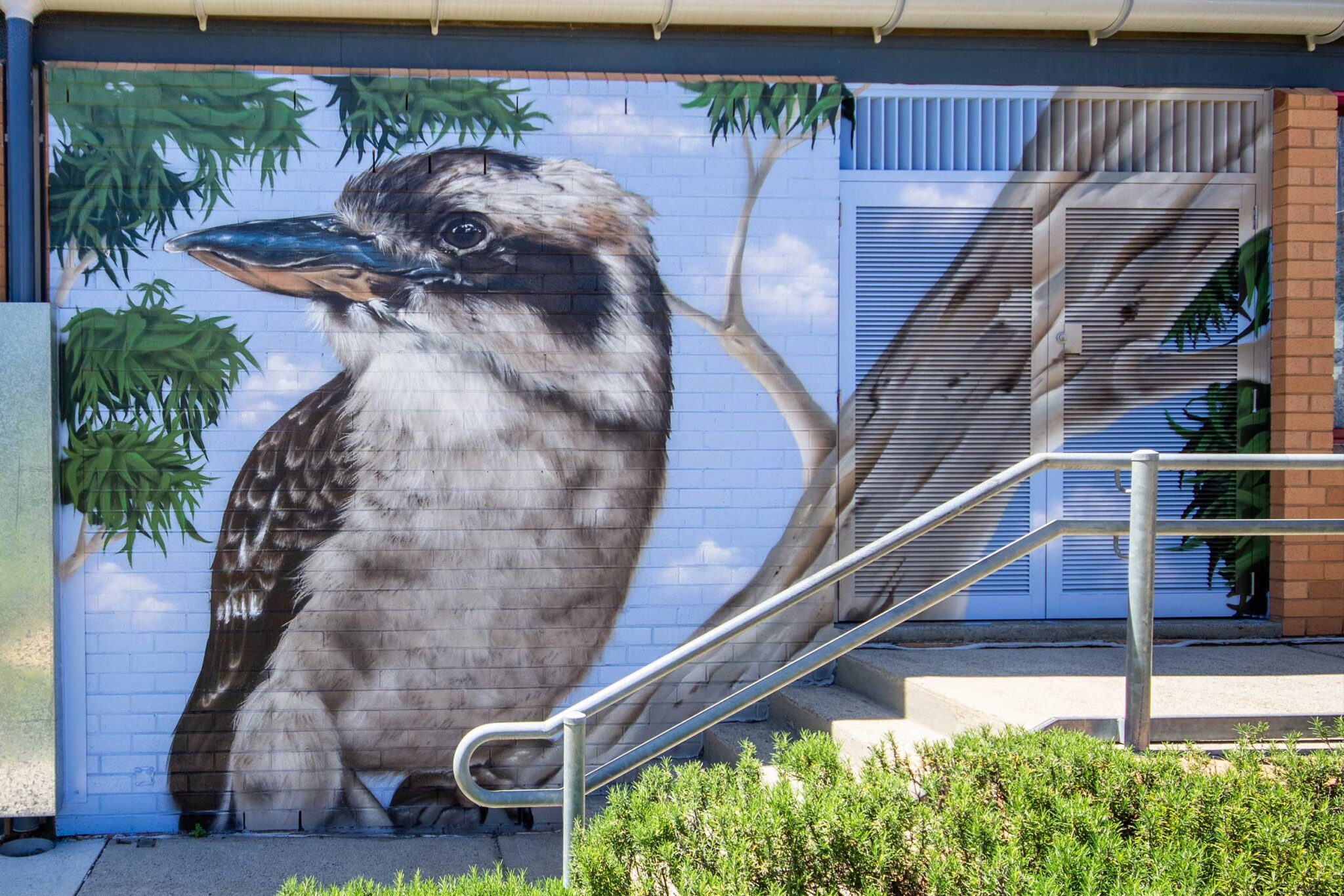
Imagine walking into a school where students don’t just observe the environment, they’ve helped create it.
This is the impact of student involvement in school murals.
Rather than simply installing artwork, schools are increasingly choosing to collaborate with students to design and create murals that reflect their ideas, identity, and community.
This approach not only enhances the visual environment, but also contributes to the broader benefits of murals in educational settings.
While this article focuses on the process, student-led projects are also part of the broader benefits of school murals, which cover engagement, learning, and long-term impact.
Why Student Involvement Matters
When students are involved in mural creation, the outcome goes far beyond the artwork itself.
Key benefits include:
✔ Stronger engagement
Students feel connected to the space because they helped shape it.
Beyond participation, murals also contribute to improved learning environments, school culture, and student wellbeing.
Explore the full benefits of school murals
✔ Increased pride and ownership
Murals become something students respect and look after.
✔ More meaningful outcomes
The final artwork reflects real student voices, not just a concept applied to the space.
See how this is applied in
school mural projects
Moving From Decoration to Participation
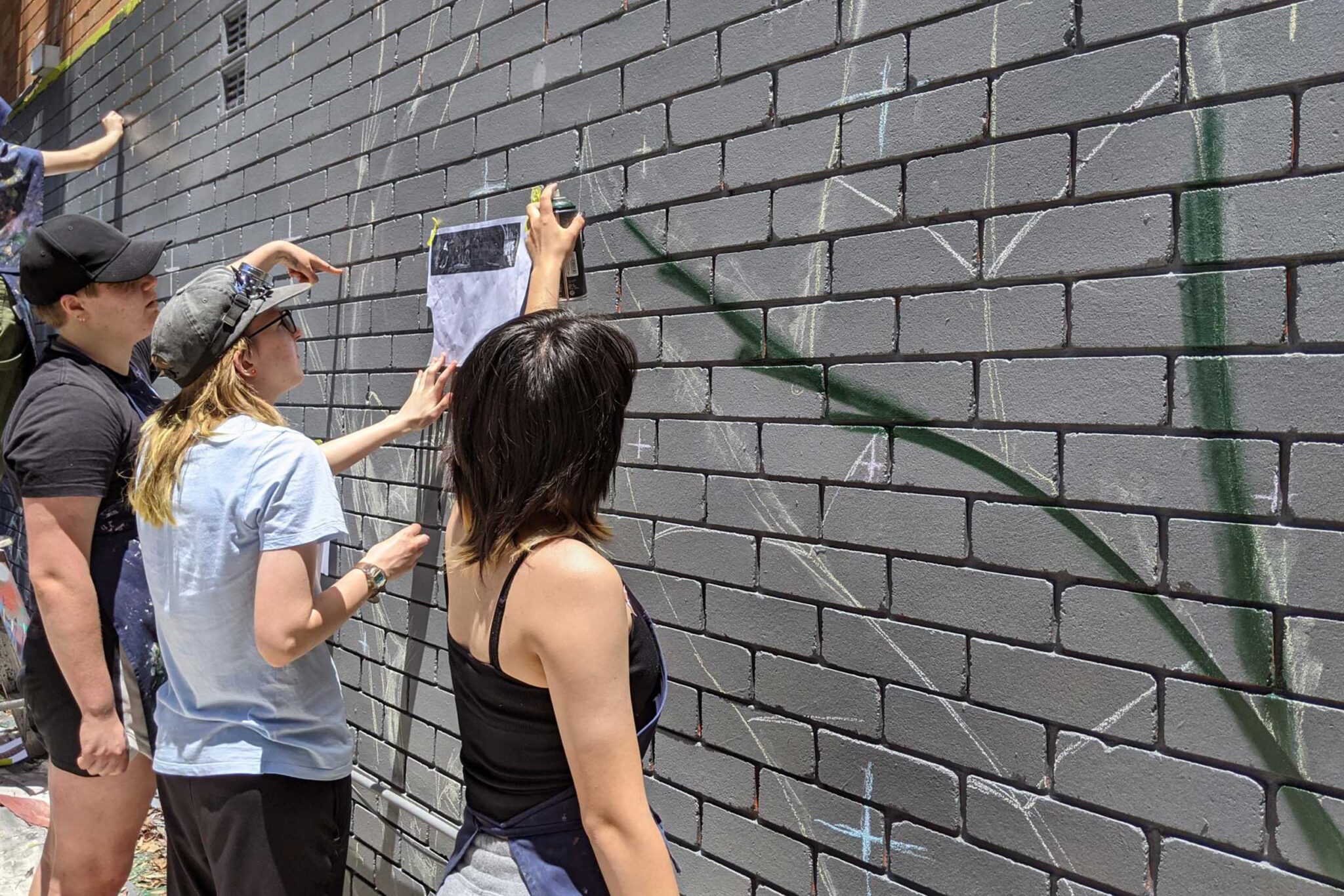
Traditional murals are created for students.
Student-led murals are created with students.
That shift changes everything.
Instead of:
- A finished piece appearing overnight
You create:
- A process students are part of
- A shared experience
- A stronger connection to the school environment
This is where student involvement in school murals delivers its biggest value.
How the Student-Led Mural Projects Works
This approach follows a structured process to ensure both creative input and professional execution.
1. Student Design Workshops
Students contribute ideas through:
- Drawing sessions
- Classroom brainstorming
- Theme discussions
2. Refining Into a Professional Concept
Artists take student input and develop:
- A cohesive composition
- A visually strong design
- A mural that still reflects student ideas
3. Hands-On Involvement
Depending on the project, students may:
- Paint sections of the mural
- Participate in workshops
- Observe and engage during the process
Learn more about our mural process
Types of Student-Involved Murals
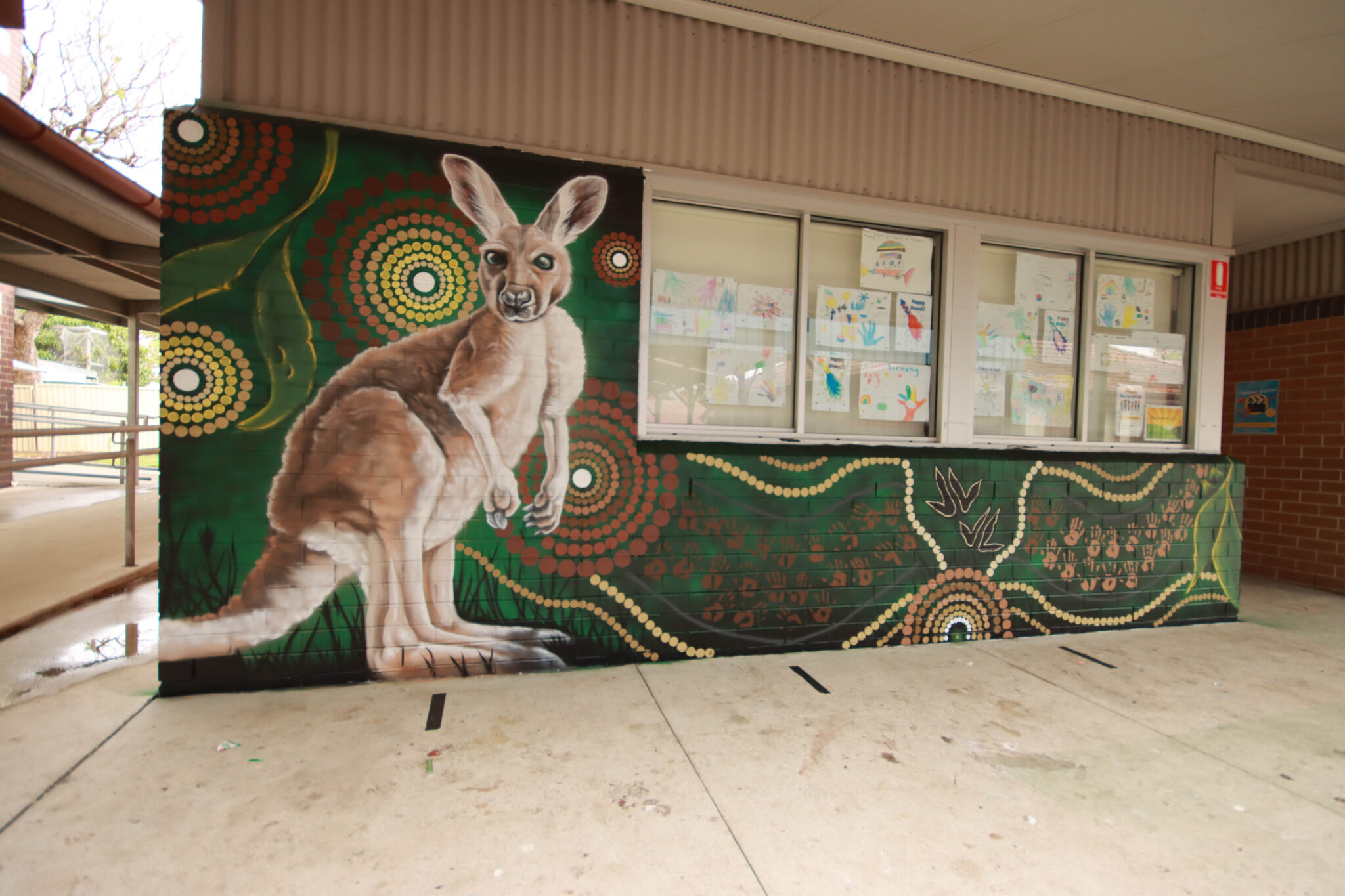
Student involvement works across a wide range of mural styles:
- Subject-based murals (science, history, literacy)
- Cultural and community murals
- Environmental and sustainability themes
- Inspirational and values-based designs
Each project is shaped by the students contributing to it.
Real Impact of Student Involvement
Schools that involve students in mural projects consistently see stronger outcomes.
Example – Student-Driven School Mural
In recent projects, involving students in the design phase resulted in:
- Higher engagement during and after completion
- Greater respect for the artwork
- A stronger sense of identity within the space
Students weren’t just viewing the mural, they were connected to it.
Explore more examples:
School mural case studies
Why Schools Are Choosing This Approach
Schools are moving towards more interactive and engaging environments.
Student involvement in murals aligns with:
- Engagement-focused education
- Creative learning approaches
- Building stronger school communities
It transforms murals from a visual upgrade into a meaningful experience.
Student-Led Murals in Sydney Schools
Across Sydney, schools are increasingly adopting student-led mural projects to create more engaging and personalised environments.
See how this is being applied locally:
Sydney mural projects
What age groups can participate?
Projects can be adapted for primary, high school, and even community groups.
Do students need to be involved?
Not always, but involving students significantly increases the impact and long-term value of the mural.
How much involvement is possible?
This depends on the school — from workshops to hands-on painting.
Planning a Student-Led Mural Project?
If you’re looking to create a mural that truly reflects your students and school community, involving students in the process can deliver far greater impact.
Or explore: